Skip to content
2025 Shipping Outlook — How Freight Forwarders Help Buyers Navigate Cost Increases and Container Shortages
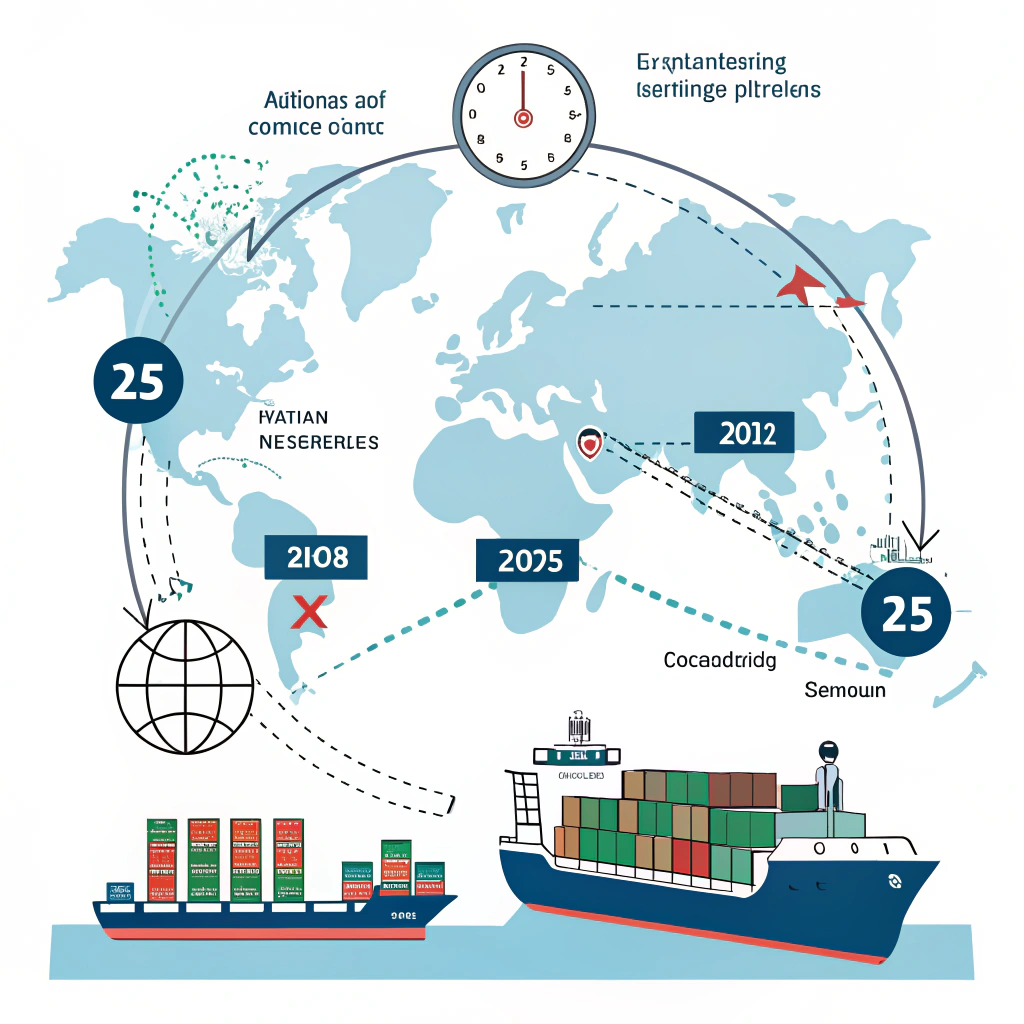
In 2025, shipping costs are expected to remain elevated while container shortages1 and capacity constraints continue to challenge global supply chains. Freight forwarders play a critical role in helping buyers mitigate these cost pressures and logistical bottlenecks by optimizing shipment planning, leveraging consolidation strategies, and providing risk management2 expertise. This article explores the key market trends shaping 2025 ocean freight, details why container shortages persist, and explains how partnering with a skilled freight forwarder can deliver measurable cost savings and supply chain resilience.
Global trade is gradually recovering from pandemic disruptions, but the shipping sector still faces several headwinds that keep freight costs high and container availability tight:
- Container shortages persist due to imbalanced trade flows and slow repositioning of empty containers.
- Fuel price volatility and new environmental regulations are increasing operational costs for carriers.
- Port congestion and shipping lane delays continue to disrupt schedules, further inflating costs.
- Growing e-commerce demands and evolving trade patterns increase the pressure on container capacity.
For buyers dependent on imports from manufacturing hubs such as China, these challenges translate into longer shipping lead times and unpredictable freight rates.
Container scarcity in 2025 results from multiple structural factors:
| Factor | Impact on Container Availability |
|---|---|
| Imbalanced trade routes | More containers stuck in import-heavy regions, not enough in export origins |
| Slow empty container reposition | High repositioning costs mean fewer containers return promptly to exporters |
| Port congestions | Delays in unloading cause containers to pile up at ports |
| Increased demand for equipment | More shippers demand containers simultaneously, creating a supply squeeze |
Freight forwarders act as supply chain intermediaries who deeply understand shipping markets. They offer tailored solutions to optimize freight costs and improve shipment reliability, helping buyers stay competitive despite market headwinds.
| Solution | Benefits for Buyers |
|---|---|
| Advanced route planning | Identifies less congested ports and alternate shipping lanes |
| Cargo consolidation services | Combines multiple small shipments to reduce per-container costs |
| Flexible booking options | Secures space through established carrier contracts to avoid reliability risks |
| Dynamic freight cost monitoring | Provides real-time insights to lock in favorable rates |
| Strategic container sourcing | Access to pooled containers reduces dependency on scarce empty equipment |
| Supply chain risk management | Identifies potential delays early and implements contingency plans |
These services enable buyers to reduce transportation expenses, minimize delays, and secure timely delivery even amid shipping lane disruptions and container imbalances.
-
Consolidation and Merge-in-Transit
By combining multiple suppliers’ goods into a single shipment, freight forwarders lower overall shipping costs and reduce customs clearance times. This is particularly effective in less-than-container-load (LCL) shipments common among mid-size buyers. -
Booking Flexibility and Early Space Reservations
Freight forwarders leverage their carrier relationships to reserve space well in advance, insulating buyers from peak season surcharges and last-minute price spikes. -
Real-Time Visibility and Proactive Communication
Using digital tracking tools, forwarders provide buyers with timely updates on shipment status, allowing for quicker responses to unforeseen delays. -
Alternative Routing and Modal Mix
Exploring multimodal transport options (air, rail, ocean) and alternative ports can circumvent bottlenecks, save time, and sometimes reduce costs.
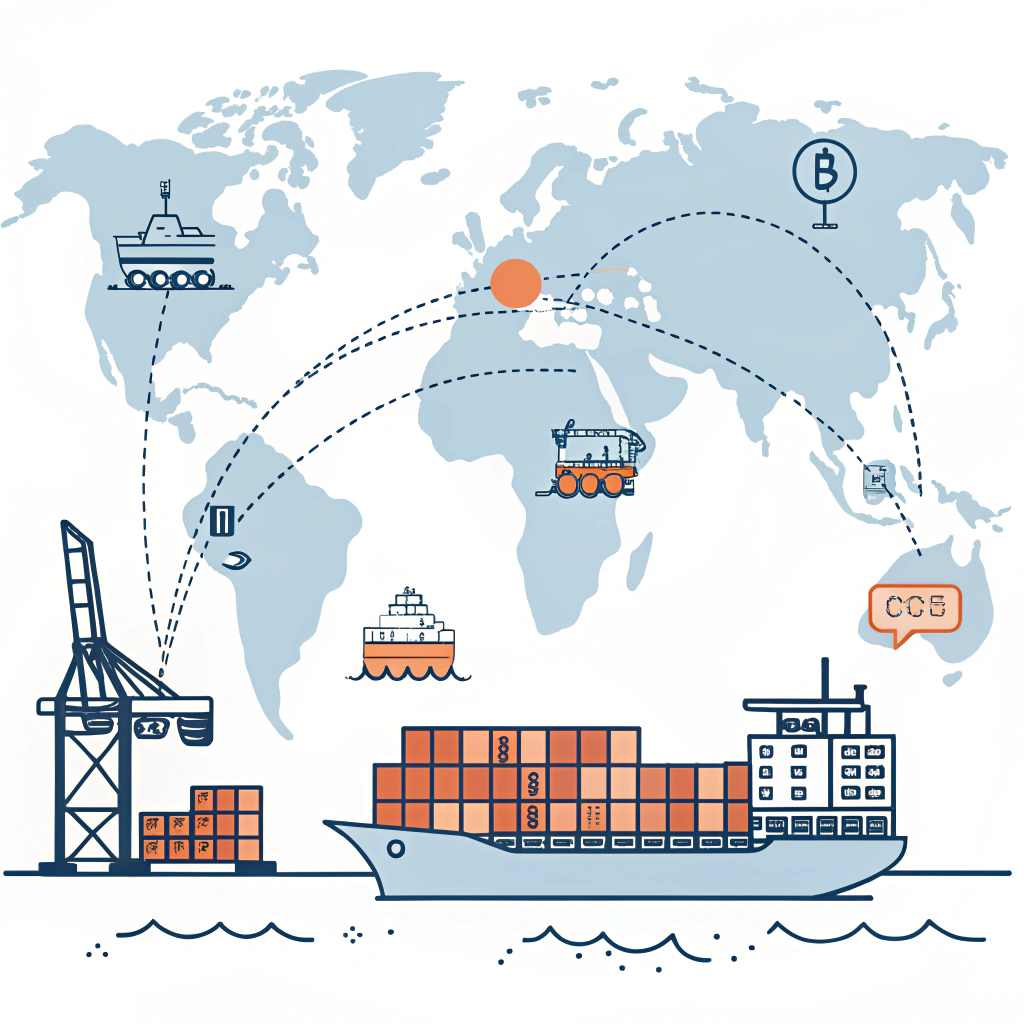
Industry forecasts suggest that standard ocean freight rates may remain 20-30% above pre-pandemic levels through 2025 due to persistent supply-demand imbalances and rising operational expenses. Meanwhile, container repositioning costs have grown by approximately 15%, further driving up fees for exporters.
Case Study: A mid-sized electronics importer partnering with a leading freight forwarder implemented cargo consolidation and early booking strategies. Results after six months included:
- 18% reduction in total freight spend
- 12% faster average delivery times
- Significant reduction in container shortage-related shipment delays
Such outcomes highlight the critical value forwarders add beyond simple freight brokerage.
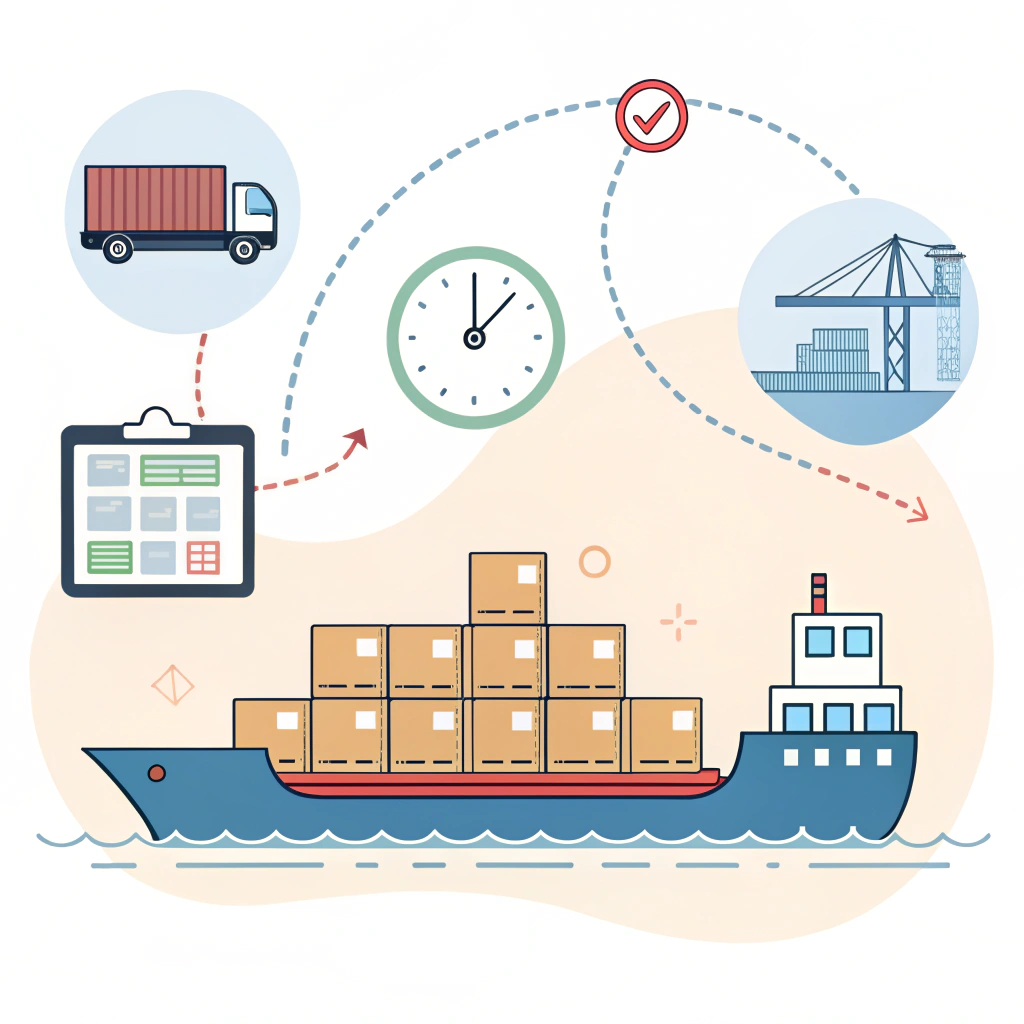
While freight forwarders provide essential cost mitigation, buyers must consider:
- Lead time adjustments: Alternative routing or consolidation can lengthen transit times slightly. Proper inventory planning is required.
- Service level trade-offs: Cheaper options may not always provide the fastest delivery, requiring alignment with business priorities.
- Market volatility: Even the best forwarder cannot completely eliminate sudden surcharges from carriers or regulatory changes. Regular communication is key.
Selecting a reliable freight forwarder3 with strong global networks and technological capabilities is crucial to maximizing these benefits.
In 2025, supply chain leaders face a challenging freight environment marked by elevated shipping costs and container shortages. Freight forwarders serve as indispensable partners by providing:
- Optimized route and capacity management
- Cost-saving cargo consolidation and booking strategies
- Supply chain risk intelligence and flexibility solutions
For buyers seeking to sustain competitive cost structures and operational reliability, engaging an experienced freight forwarder early in the procurement process is strategically advantageous.
Next steps:
- Evaluate your current freight forwarding partnerships for capability and responsiveness
- Consider container consolidation and multi-modal options to reduce reliance on scarce ocean containers
- Engage in proactive freight cost monitoring and space booking ahead of shipping deadlines
Effective collaboration with a freight forwarder is a key competitive advantage in navigating the complexities of 2025’s global shipping landscape.
What causes container shortages in international shipping?
Container shortages mainly arise from imbalanced trade flows, where numerous empty containers accumulate in high-import regions but are not promptly repositioned back to export hubs. Additional factors include port congestion, limited empty repositioning capacity, and spikes in demand for containers globally. These combined issues create supply constraints that delay shipments and increase costs.
How can freight forwarders help manage rising ocean freight costs?
Freight forwarders help manage rising freight costs through strategic booking in advance, cargo consolidation, alternative routing, and leveraging carrier relationships to negotiate better rates. They also provide real-time shipment visibility and risk mitigation plans, allowing buyers to avoid last-minute surcharges and optimise their overall logistics spend.
What strategies improve supply chain resilience against container shortages?
Effective strategies include diversifying shipping routes and ports, using consolidated shipments to reduce container reliance, maintaining flexible lead times, and engaging freight forwarders to secure container availability. Implementing multimodal transport options also reduces dependence on ocean container capacity, strengthening supply chain resilience.
-
Container shortages: Reading about container shortages helps understand the global logistics challenges that create supply bottlenecks, delays, and increased shipping costs, providing context for strategic shipping decisions. ↩ ↩
-
Risk management: Learning about risk management in freight forwarding demonstrates how identifying and mitigating shipping risks can safeguard supply chains from disruptions and unexpected costs. ↩ ↩
-
Reliable freight forwarder: Exploring what constitutes a reliable freight forwarder offers insights into the qualities and capabilities buyers should seek to ensure consistent service and adaptability in complex global markets. ↩ ↩