Skip to content
Ship Smarter: LCL Consolidation1 from China to North America for Small and Medium Importers
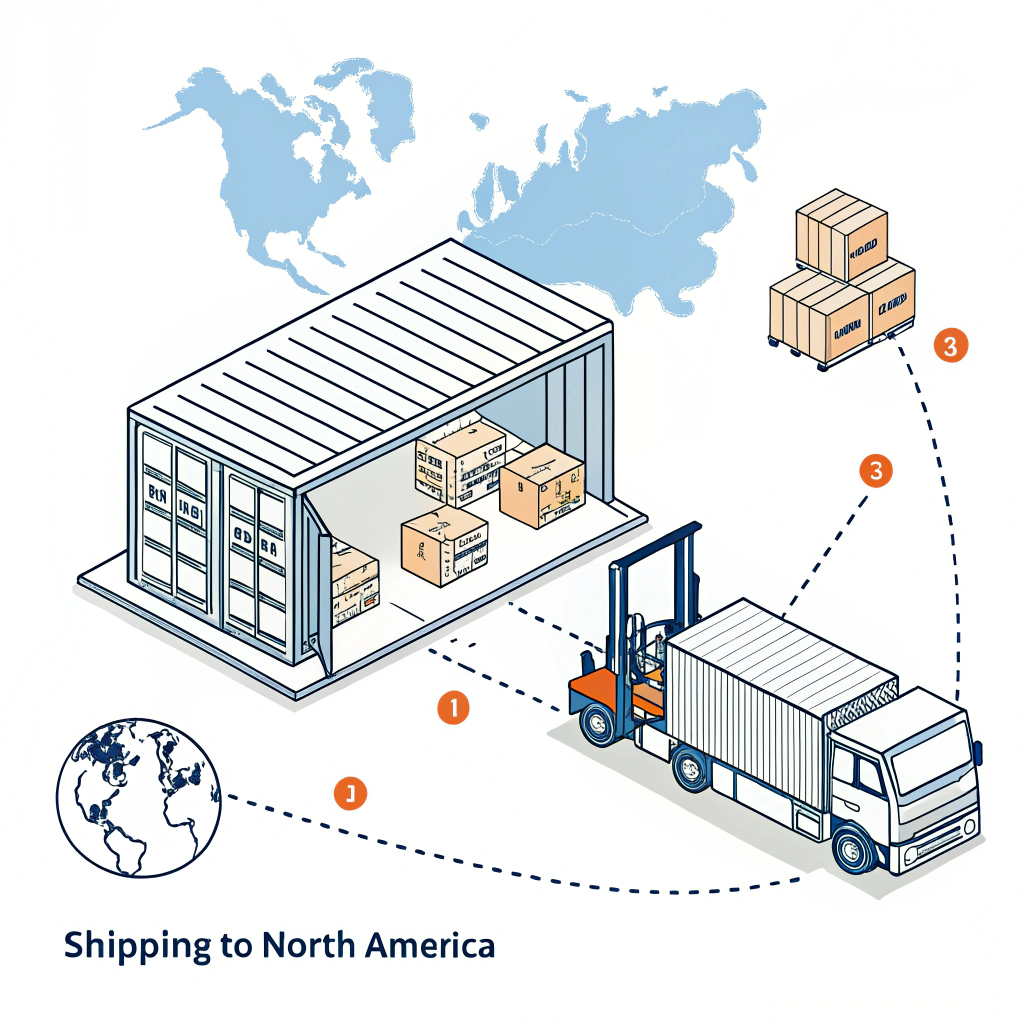
For small and medium importers shipping from China to North America, LCL consolidation offers a cost-effective and efficient alternative to full container loads. LCL (Less than Container Load) refers to shipping smaller shipments that do not fill an entire container, while consolidation is the process of combining multiple small shipments into one container. This approach reduces costs, lowers risks, and improves supply chain efficiency2, making it especially suitable for importers with moderate volume needs.
What is LCL Consolidation?
LCL consolidation merges multiple smaller shipments from different importers into one container. Each shipper pays only for the space their cargo occupies, avoiding the high expense of booking a full container. The freight forwarder3 coordinates this by aggregating cargos at a warehouse or consolidation center, optimizing container space usage.
Why LCL Consolidation?
- Cost Efficiency: Sharing the container reduces freight costs dramatically compared to booking a Full Container Load (FCL).
- Reduced Inventory Burden: Small shipments mean importers do not need to stockpile large inventory volumes.
- Flexibility: LCL shipments can be scheduled more frequently or on demand, speeding up inventory replenishment cycles.
- Lower Risk: Smaller shipment sizes reduce the financial impact of potential delays or damages.
| Step | Description |
|---|---|
| 1. Shipment Booking | Importer provides shipment details; freight forwarder schedules cargo pick-up from suppliers. |
| 2. Cargo Consolidation | Freight forwarder receives cargo at warehouse, inspects, and consolidates multiple shipments. |
| 3. Container Loading | Goods are packed into one container based on compatible cargo, destination, and weight limits. |
| 4. Customs Clearance4 | Forwarder handles export customs formalities in China and import clearance in North America. |
| 5. Ocean Freight | Container is shipped from China ports to designated North American ports. |
| 6. Delivery & Unloading | Container is unloaded and cargo is separated for last-mile delivery to each importer. |
This tightly coordinated process reduces container idle space, cuts freight costs, and leverages economies of scale without requiring importers to commit to full container quantities.
Shipping Costs
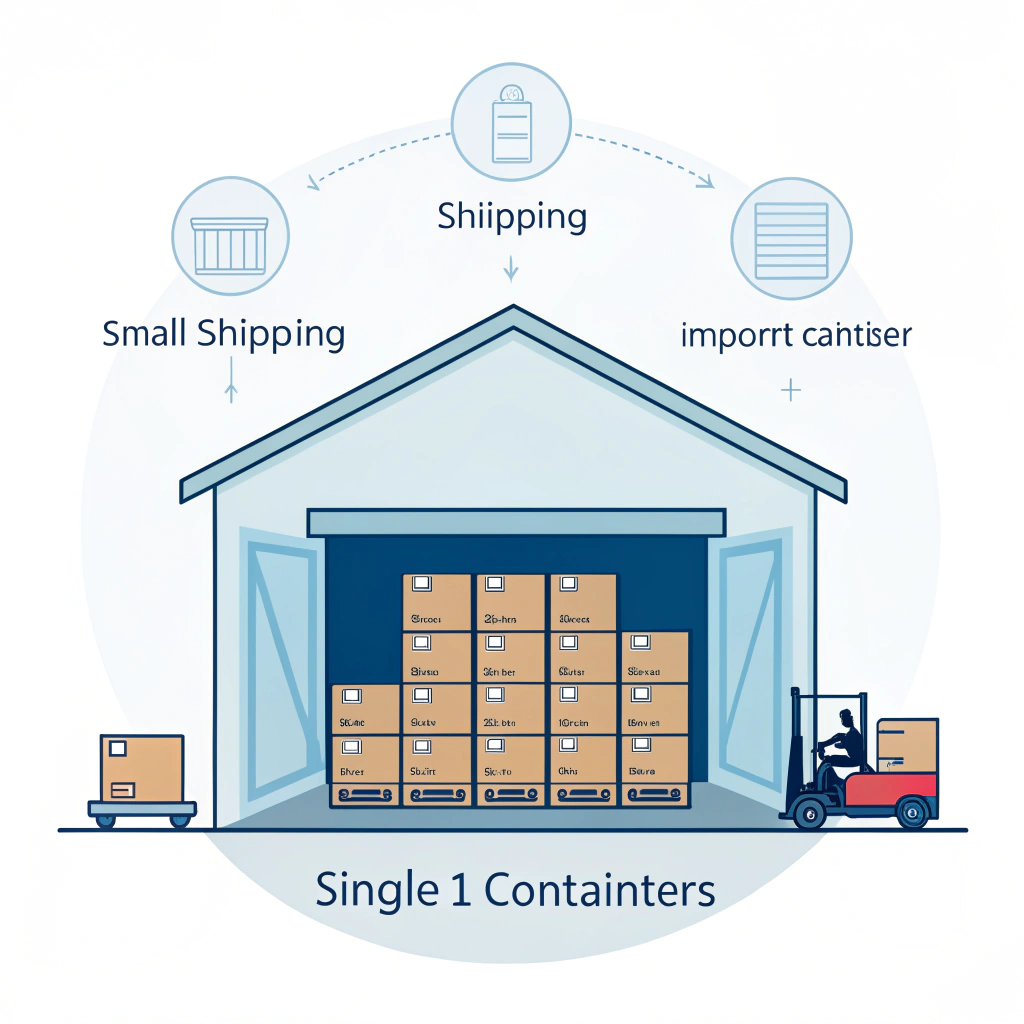
The cost of shipping an LCL container shipment depends on multiple factors: cargo volume (cubic meters), weight, origin and destination ports, and peak season surcharges. For reference, full 40-foot containers shipping from China to the US West Coast typically range between $3,000 and $5,000. LCL shipments allocate cost proportionally based on shipment size.
| Shipping Option | Estimated Cost Range (China to USA) | Pros | Cons |
|---|---|---|---|
| Full Container Load (FCL) | $3,000 - $5,000 | Lower $/unit for large volume | Expensive for small shipments |
| LCL Consolidation | Varies, often 60-70% of FCL cost | Lower upfront cost, flexible | Longer transit time; more handling |
Savings Potential
For small and medium-sized importers, LCL consolidation typically saves 30-40% in freight costs versus booking full containers with unused space. Additionally, importers avoid inventory tying and storage overheads.
- Cargo Compatibility: Freight forwarders must ensure consolidated shipments are compatible by freight class, packaging, and handling requirements to avoid damage and delays.
- Documentation Accuracy: Proper paperwork is essential as customs clearance involves combined shipments with different HS codes and consignee details.
- Transit Time Management: Consolidation may add 3-5 days for cargo accumulation before departure and additional time for deconsolidation at destination, so plan lead times accordingly.
- Reliable Forwarders: Choose freight forwarders with transparent tracking systems, strong cross-border customs expertise, and service options such as door-to-door delivery.
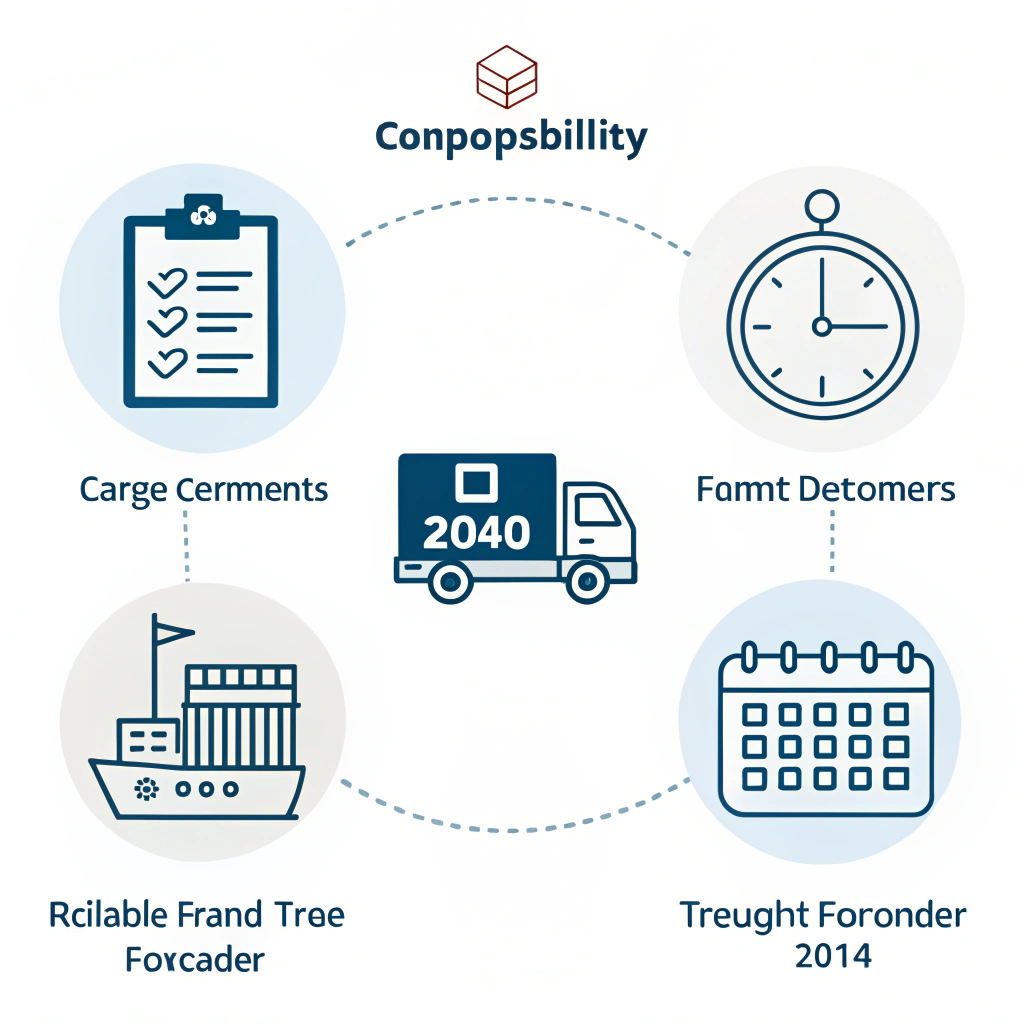
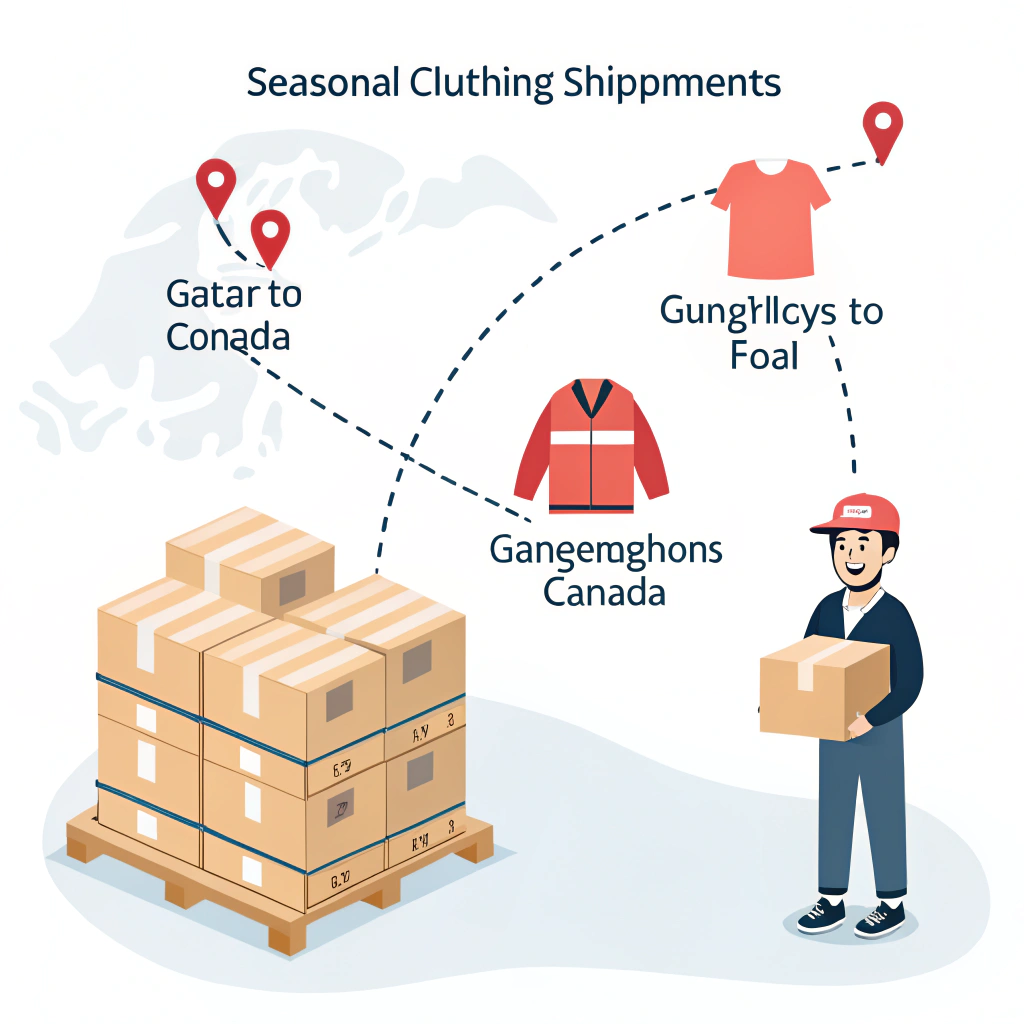
A mid-sized apparel importer in Canada used LCL consolidation for its seasonal clothing shipments from multiple factories in Guangzhou. Before using consolidation, the importer paid premium air cargo rates or underutilized full containers. Switching to LCL consolidation saved about 35% on shipping costs annually and improved inventory turnover rate by enabling more frequent replenishments.
LCL consolidation from China to North America presents a smart shipping strategy for small and medium importers seeking to reduce costs, improve flexibility, and optimize their supply chain. When evaluating freight forwarders for LCL, focus on:
- Competitive and transparent pricing models
- Proven consolidation and cargo handling experience
- Seamless customs brokerage services
- End-to-end shipment visibility and communication
- Added services like warehousing, pallet repack, and door-to-door delivery
Next steps: Contact your preferred freight forwarder to discuss your shipment profile and request an LCL consolidation proposal tailored to your cargo volumes and delivery schedules.
What is the difference between LCL cargo and consolidation cargo?
LCL cargo refers to shipments too small to fill a full container. Consolidation cargo is a process where these individual LCL shipments are combined or consolidated by a freight forwarder into one full container, optimizing space and cost for both shippers and carriers.
What is the consolidation process in shipping?
Shipping consolidation involves gathering multiple small shipments at a carrier’s warehouse, combining them into a single container, and then transporting them together. This reduces per-shipment costs and can speed delivery times by sharing resources effectively.
How much does it cost to ship a 40 ft container from China to the US?
Costs vary depending on the port and seasonal factors. Shipping a 40-foot container from China to the US West Coast generally costs between $3,000 and $5,000, while shipments to the US East Coast tend to be higher, around $4,000 to $6,500.
-
LCL Consolidation: Explore this article to understand how combining smaller shipments from different importers into a single container reduces costs, improves cargo handling, and enhances shipment flexibility. ↩ ↩
-
Supply Chain Efficiency: Learn about optimizing the flow of goods, information, and finances through the supply chain to reduce waste and improve delivery performance. ↩ ↩
-
Freight Forwarder: Discover how freight forwarders act as intermediaries managing logistics, documentation, and shipment coordination between shippers and carriers. ↩ ↩
-
Customs Clearance: Gain insights into the procedures needed to comply with import/export regulations, facilitating smooth transit of goods across borders. ↩ ↩