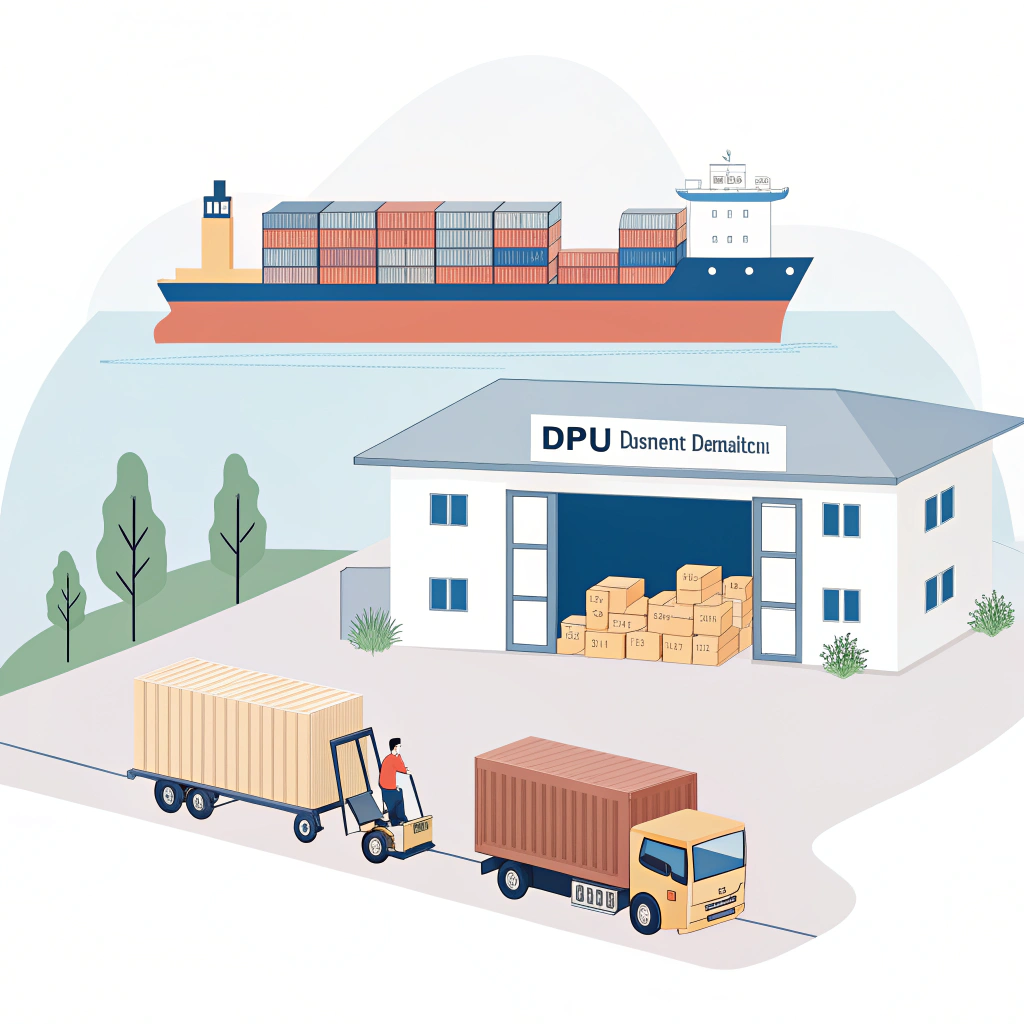
Delivered at Place Unloaded (DPU) is a key Incoterm1 that defines vital responsibilities and risks shared in international trade, especially for importers managing global shipments. Under DPU, the seller delivers goods and unloads them at a named place in the buyer’s country, after which the risk transfers. This term places significant delivery responsibility on the seller, including freight costs and unloading, while the buyer handles import customs. Understanding DPU helps importers negotiate efficient contracts, control costs, and ensure smooth delivery performance.
DPU, introduced in Incoterms 2020 by the International Chamber of Commerce (ICC)2, means the seller completes delivery when the goods are unloaded at the agreed destination point. This differs from other terms like DAP (Delivered at Place), where unloading is the buyer’s responsibility.
Key highlights of DPU include:
- Seller bears all risks and costs up to unloading at the destination place.
- Buyer handles import customs clearance and pays import duties and taxes.
- The delivery point is explicitly named in the contract—for example, a buyer’s warehouse, a port, or a logistics terminal.
For importers, DPU offers greater clarity and simplicity since the seller manages transport and unloading, making it easier to plan inbound logistics and reduce surprises on arrival.
Many freight forwarders3 and importers prefer DPU because it:
- Reduces buyer’s operational burden: unloading is done by seller or their agents, so buyers don’t need to arrange dock handling.
- Speeds up goods release: since unloading is included, cargo is physically at the buyer’s premises or arranged location.
- Clear cost allocation: all pre-unloading freight charges are covered by the seller, minimizing upfront payments by the buyer.
- Risk transfer after unloading: this protects importers during carriage and unloading phases.
Especially when importing from complex hubs such as China, DPU allows buyers to rely on their overseas partners to handle in-land trucking, ocean or air freight, terminal handling, and unloading.
| Responsibility | Seller (Exporter) | Buyer (Importer) |
|---|---|---|
| Export customs clearance | Yes, including export duties and taxes | No |
| Main carriage (sea/air/land) | Yes | No |
| Transport risks | Seller until goods unloaded at destination | Buyer after unloading |
| Unloading | Seller at named place | No |
| Import customs clearance | No | Yes, including duties and taxes |
| Inland transport post unloading | No | Yes |
| Insurance | Optional for seller (recommended) | Optional for buyer |
This division of labor minimizes complications for the buyer but places unloading costs and coordination on the seller, an important factor for negotiation.
Freight forwarders play a crucial role in effectively implementing DPU, especially for complex shipments from China or other manufacturing hubs. They manage the door-to-door shipment process, ensuring:
- Accurate INCOTERMS selection based on buyer-supplier negotiation.
- Coordination of export clearance, main transport, unloading, and notifications.
- Seamless documentation flow to facilitate import customs clearance.
- Risk management through insurance advice and proactive problem handling.
Using DPU, freight forwarders can provide a consolidated, transparent shipping cost structure, helping buyers avoid unknown fees during shipment receipt. They also facilitate suitable delivery location arrangements, including warehouses or logistics centers.
- Name the exact unloading place clearly. Ambiguity causes disputes and delivery delays. The place can be a warehouse, terminal, or buyer’s facility.
- Confirm unloading capability at the destination. Some locations might not offer forklift or crane service, increasing costs or risks.
- Clarify customs clearance duties. The buyer must anticipate import clearance obligations post unloading, including paperwork, taxes, and inspections.
- Insurance considerations. While not mandatory, sellers often insure against transport risks to unloading point, benefiting both parties.
- Check local unloading regulations. Different countries might have specific safety or customs rules affecting unloading liability or timing.
Our experience shows consolidating multiple suppliers’ goods under DPU for door-to-door delivery can simplify import operations, especially for B2B buyers importing from China to the USA or Europe.
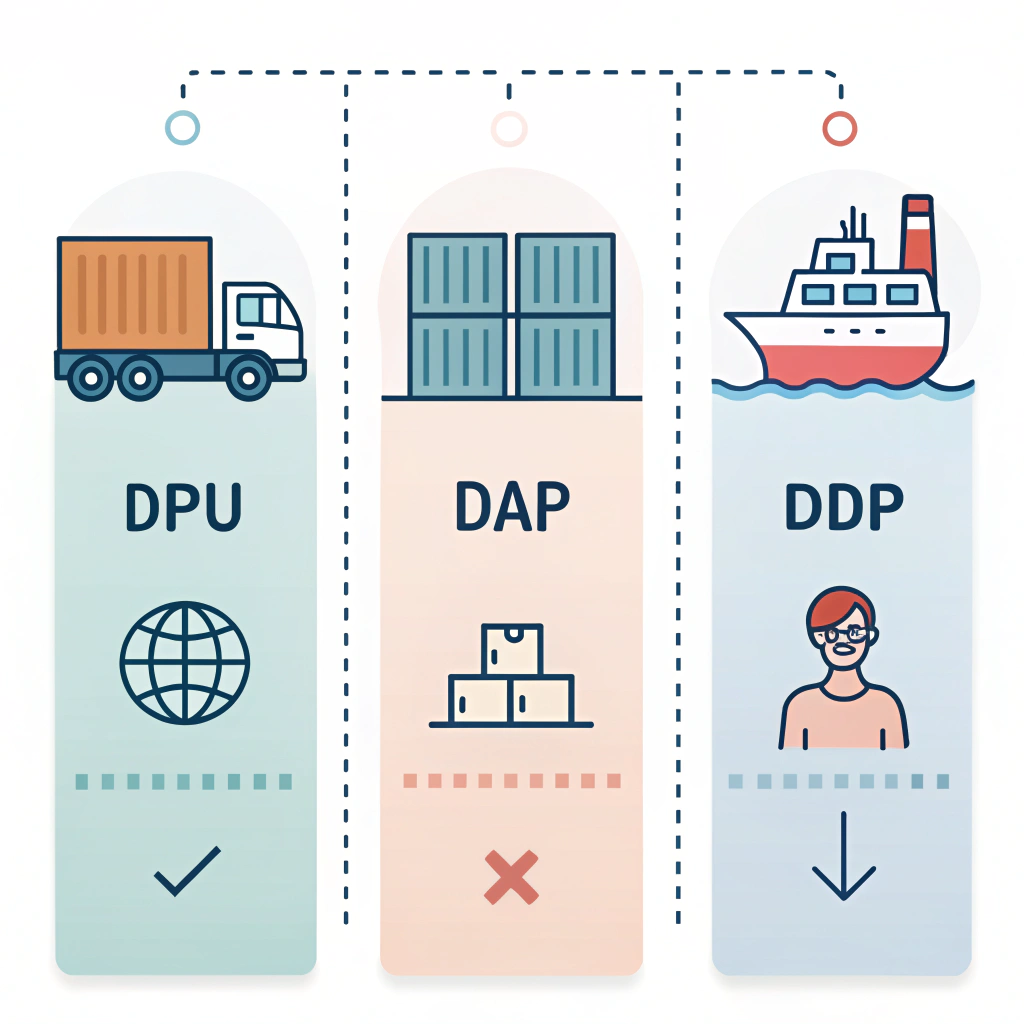
| Incoterm | Seller’s Delivery Scope | Buyer’s Key Responsibilities |
|---|---|---|
| DPU (Delivered at Place Unloaded) | Delivery + unloading at named place | Import customs clearance, inland transport |
| DAP (Delivered at Place) | Delivery to named destination, no unloading included | Unloading + import customs clearance |
| DDP (Delivered Duty Paid) | All costs, risks, customs cleared, and delivery included | Receives goods; minimal involvement |
DPU is ideal when buyers want unloading included but prefer to manage customs locally, unlike DDP which transfers full customs responsibility to seller with more cost burden.
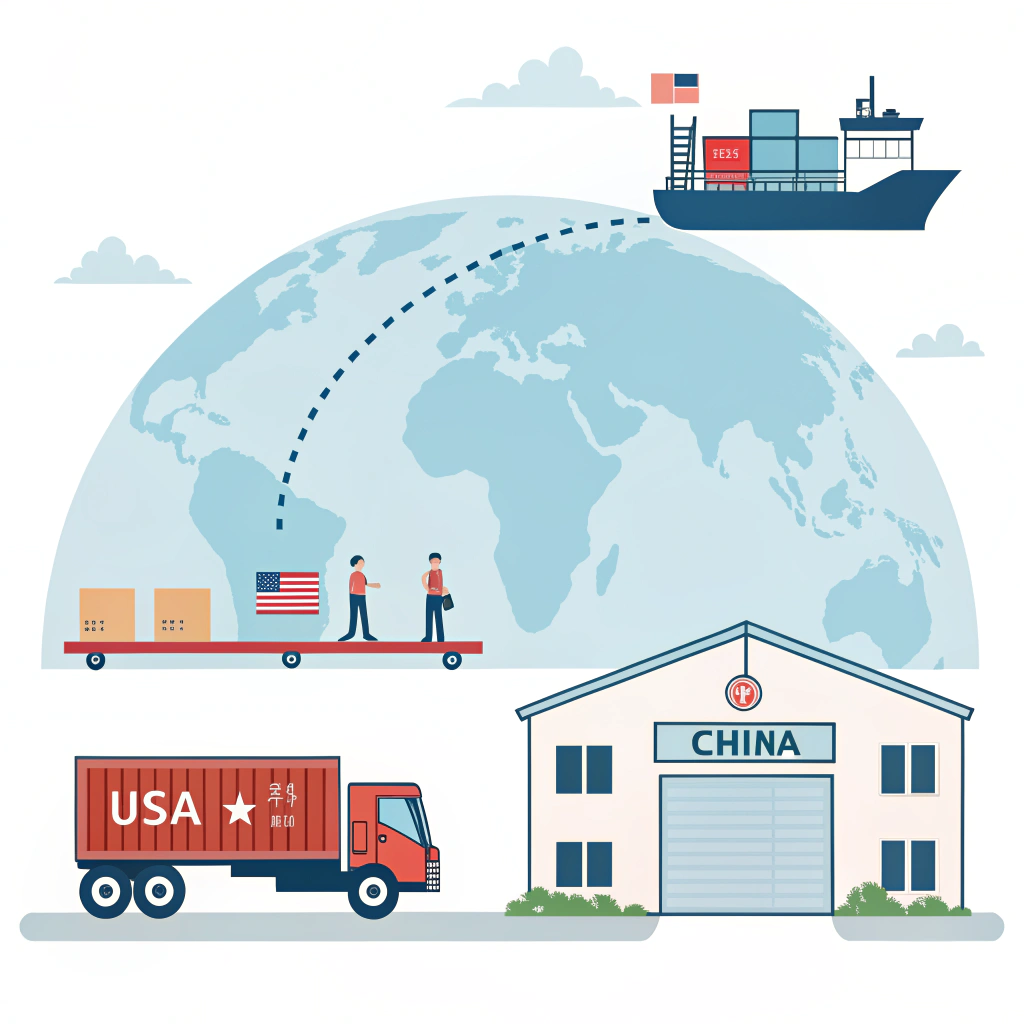
A US-based company imports electronics parts from several manufacturers in Shenzhen. Using DPU:
- The Chinese seller arranges all transport, including inland trucking, port handling, ocean freight, US inland delivery, and unloading at the US warehouse.
- Risk transfers to the buyer only after goods safely unloaded at buyer’s Los Angeles warehouse.
- The buyer handles US import customs, pays duties, and arranges downstream storage.
- Freight costs are bundled into seller’s invoice, with transparent billing of pre-unloading charges.
- The importer enjoys reduced operational stress and clear customs clearance control.
Our freight forwarding team ensured smooth coordination among cross-border carriers, terminal agents, and customs brokers, optimizing delivery times and reducing demurrage risks.
- Understand exactly what DPU means: seller responsible for everything including unloading at destination.
- Negotiate named place carefully: clarity avoids delivery disputes and unexpected costs.
- Clarify customs clearance roles: buyer is responsible, budget accordingly for duties and paperwork.
- Engage experienced freight forwarders: seamless coordination under DPU needs trusted partners.
- Consider insurance and local regulations: protect goods during unloading and comply with local laws.
For importers using DPU, this Incoterm offers cost transparency, operational simplicity, and clear risk transfer, making it a strong candidate for international procurement contracts especially from China to global markets.
By working closely with your freight forwarder, you can leverage DPU to streamline shipping, reduce logistical risks, and improve supply chain reliability.
How does DPU handle customs clearance?
In DPU terms, the seller handles export clearance and any duties in the country of origin, while the buyer is responsible for import clearance, paying import taxes and managing procedures at the destination. This split allows buyers to control local compliance.
Does DPU include customs clearance?
DPU includes all transport and unloading costs by the seller, but it does not cover import customs clearance. That task and the related duties fall to the buyer after goods are unloaded at the agreed destination.
Who pays freight in DPU Incoterms?
Under DPU, the seller pays for all freight movement costs up to and including unloading at the named place. The buyer’s main financial responsibility begins after unloading, mainly import customs duties and inland transport.
-
Incoterm: Reading about Incoterms helps B2B readers understand internationally recognized shipping rules and responsibilities that affect contract negotiation and risk management in global trade. ↩ ↩
-
International Chamber of Commerce (ICC): Exploring the ICC explains the organization that develops global trade standards like Incoterms, providing authoritative guidance for importers and exporters. ↩ ↩
-
Freight forwarders: Learning about freight forwarders shows how specialized logistics providers coordinate cross-border shipments, manage documentation, and ensure compliance — crucial for smooth international import operations. ↩ ↩