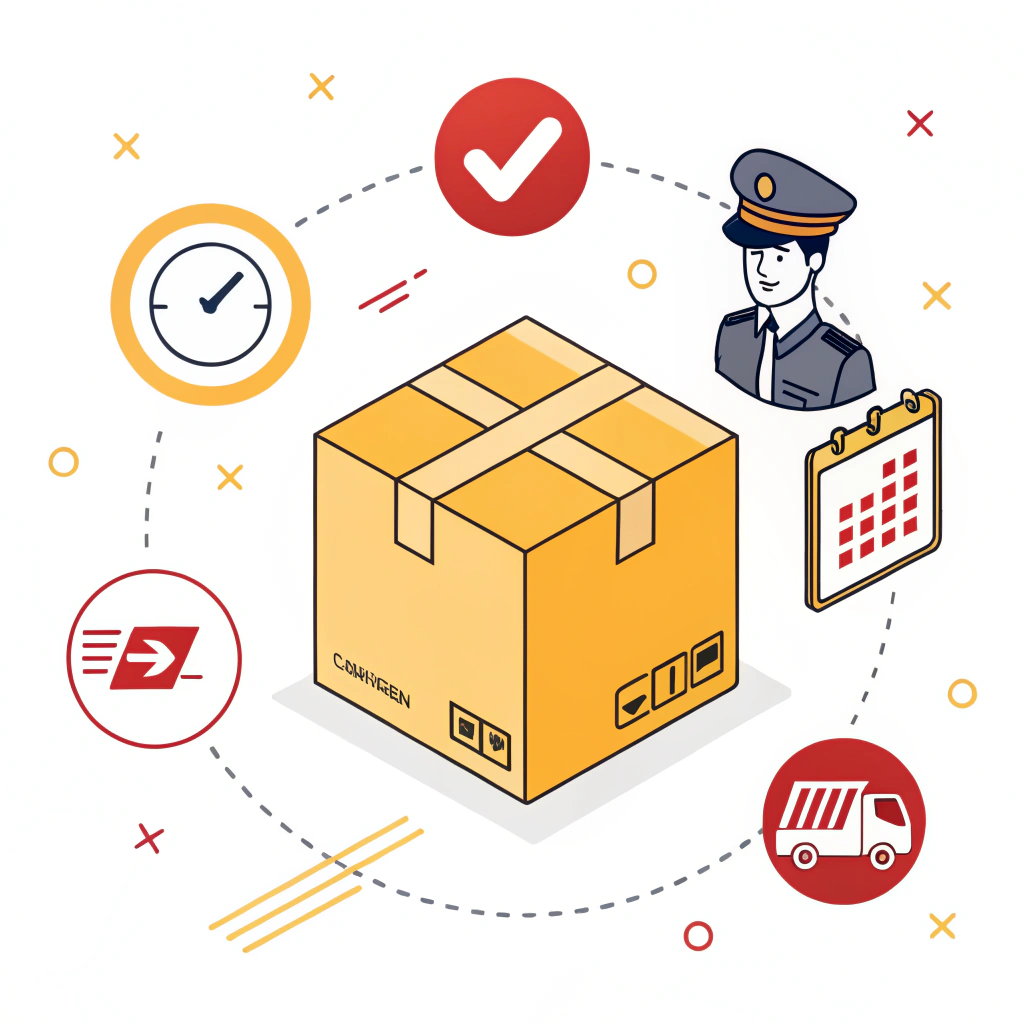
A DHL “shipment on hold” means the parcel’s movement is temporarily paused—typically for customs clearance, missing information, unpaid duties and taxes, or delivery authorization. To resolve fast: check tracking with your air waybill (AWB)1, identify the hold reason, provide any missing commercial invoice, packing list, and importer of record (IOR) details, pay fees if required, and contact DHL clearance support with a concise message and proof of payment. Most holds clear within 1–3 business days once correct documents and instructions are provided.
When you see DHL shipment on hold on tracking, DHL or customs has paused movement until they receive required data, authorization, or payment. Holds fall into two buckets:
- Operational: network delays, cut-off misses, or service area issues. Often auto-resolve on the next movement cycle.
- Regulatory: a customs hold due to import clearance checks, document gaps, classification/value questions, or restricted content. Requires action from you, your shipper, or your customs broker2.
Typical status texts include:
- “Clearance delay — Awaiting instructions/documents”
- “On hold awaiting payment of shipment-related fees”
- “Consignee contact required”
- “Regulatory review”
- “Held for delivery arrangements”
If you act quickly with the right documents and approvals, the release timeline is often same day to 72 hours.
Below is a practical mapping of hold causes to the actions that release the shipment:
| Hold reason | Tracking language | Owner to fix | What DHL/customs needs | Expected release | Escalate if… |
|---|---|---|---|---|---|
| Missing/incorrect commercial invoice/packing list | “Clearance delay — Awaiting instructions/documents” | Shipper/Consignee | Complete CI, PL, accurate description, HS code3, quantity, value, IOR ID/EIN/VAT | 1–2 business days | >24h after submission with no update |
| Unpaid duties and taxes/brokerage fees | “On hold awaiting payment of shipment-related fees” | Consignee | Pay via DHL link/portal and share proof of payment | Same day | Payment posted but still on hold after 6–12h |
| Wrong/absent consignee contact or address | “Consignee contact required” | Consignee | Valid phone/email, delivery address, delivery release authorization if needed | Same day | No callback from DHL within business day |
| Restricted/prohibited items or compliance checks | “Regulatory review” or “Clearance processing” | Shipper/Consignee | Licenses, product certificates (CE/FCC), MSDS, UN38.3, permits | 2–10+ business days | No movement after 48h; engage broker |
| IOR mismatch or missing ID | “Importer identification required” | Consignee | EIN/VAT, company registration, correct IOR name/address | 1–3 business days | Repeated requests for ID or POA |
| Valuation discrepancy | “Value verification” | Consignee/Shipper | PI/PO, contract, payment receipt, explanation of pricing | 1–3 business days | Asked for more documents multiple times |
| Electronic data interchange (EDI)4 errors | “Shipment information discrepancy” | Shipper/DHL | Corrected EDI (invoice data matches physical docs) | ~1 business day | EDI updated but still no clearance |
| Dangerous goods declared incorrectly | “DG review”/“Hold” | Shipper | Proper DG declaration, labels, shipper’s declaration | Variable; may return | DG cannot be retro-fixed for Express |
| Remote area/service arrangement | “Held for delivery arrangements” | Consignee | Pay remote area surcharge or arrange pickup | 1–2 business days | No delivery schedule after payment |
| Operational/peak delay | “Arrived late; awaiting next movement” | DHL | No action | Next scheduled cycle | >48h with no movement; call station |
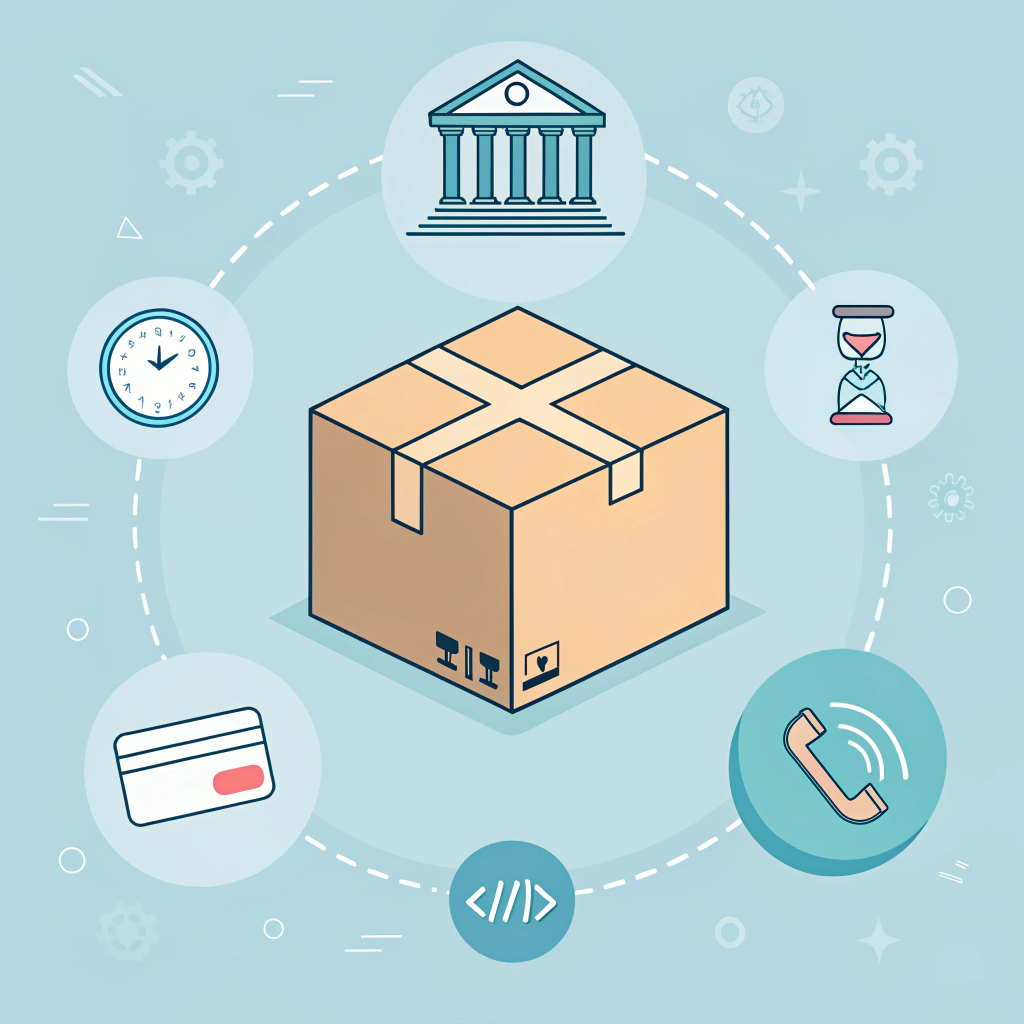
- Find the air waybill (AWB) and open DHL tracking. Click “Further Details” and any “Clearance Event” notes.
- Note the hold text, date/time, location, and any reference to documents or fees.
- Confirm your consignee contact info (phone, email, address) is correct in DHL records.
- Retrieve core documents:
- Commercial invoice with shipper/consignee names, product description, HS code, quantity, unit value, total value, currency, Incoterms5, country of origin.
- Packing list with weights and dimensions.
- Importer of record (IOR) ID (EIN/VAT), company name, local tax registration.
- Any product compliance (MSDS, test reports, permits), if applicable.
- If payment is requested, locate the DHL payment link or call to settle duties and taxes/brokerage fees. Save confirmation as proof of payment.
- Call DHL customer service or the clearance team; ask for the exact “hold reason code” and the document/email address to submit materials.
- Email documents in one thread; include AWB, hold reason, and a clear request: “Please confirm receipt and proceed to release.”
- Set a follow-up reminder for 6–12 hours. If no update, escalate (see below).
Small mismatches trigger big delays. Ensure these fields are complete and consistent:
- Commercial invoice: legal names, addresses, product description in plain English, HS codes, quantity and unit, total value, currency (USD/EUR), Incoterms (DAP vs DDP), freight/insurance shown if applicable.
- Packing list: SKU, carton count, net/gross weight, dimensions.
- Compliance (as needed): CE/FCC, UN38.3 for lithium batteries, MSDS for chemicals, food/drug permits, fumigation/ISPM-15 for wood.
- Company IDs: IOR EIN/VAT, local registration numbers.
- Payment evidence: bank transfer/PayPal invoice, PO/contract.
- EDI sync: ensure shipper’s EDI data matches the physical invoice and labels.
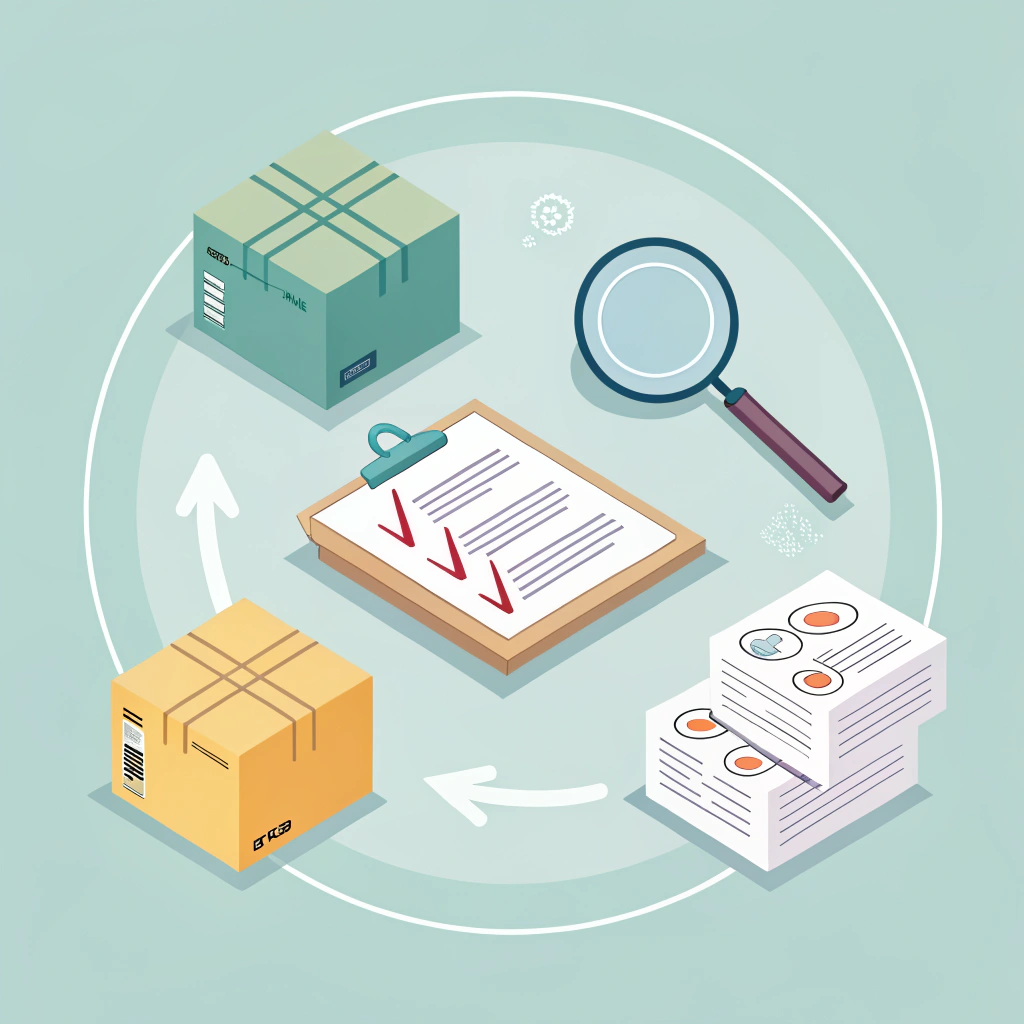
Use concise, structured emails or phone scripts. Replace brackets with your details.
-
Missing documents (to DHL Clearance):
- Subject: AWB [XXXXXXXX] — Documents Attached for Clearance
- Body:
- Hello Clearance Team,
- AWB: [XXXXXXXX], Consignee: [Company], Hold Reason: [Awaiting Invoice/PL].
- Attached: Commercial Invoice, Packing List, IOR ID [EIN/VAT], [Compliance docs if any].
- Description: [Plain English], HS Code: [XXXX.XX], Incoterms: [DAP/DDP].
- Please confirm receipt and proceed to release.
- Thank you, [Name], [Title].
-
Payment hold:
- Subject: AWB [XXXXXXXX] — Duty/Tax Paid, Receipt Attached
- Body:
- Hi DHL Team,
- We have paid duties/taxes for AWB [XXXXXXXX] via [portal/time].
- Proof of payment attached. Kindly update status and schedule delivery.
- Contact: [Phone/Email]. Thank you.
-
Consignee contact update:
- Subject: AWB [XXXXXXXX] — Consignee Contact Updated
- Body:
- Hello,
- New contact details: Phone [XXX], Email [XXX], Address [Full].
- If release authorization is needed, please send the form.
- Please confirm and proceed.
If tracking shows “on hold awaiting payment of shipment-related fees,” DHL awaits settlement of import charges:
- Charges may include customs duty, import VAT/GST, and brokerage fees if DHL acts as your broker.
- Payment methods: secure link/email from DHL, customer portal, or phone payment. Request an official receipt.
- After payment, email the proof of payment (screenshot or receipt PDF) with the AWB and ask for confirmation of release.
- Watch out for duplicated requests: if you already paid, provide the receipt and ask for the internal reference number.
- If you ship DDP (shipper pays duties), ensure DHL’s billing setup reflects that. Otherwise, holds can occur due to billing mismatch.
- Within 0–6 hours: Call customer service; request the exact “hold reason code,” local clearance desk email, and expected SLA.
- 6–12 hours: Email all docs with a single thread; ask for receipt confirmation and delivery ETA.
- 24 hours: If still on hold, ask to speak with the local station operations supervisor. Provide AWB, case number, and a one-line status request.
- 24–48 hours: For regulatory holds (licensing, valuation), engage a licensed customs broker. Supply a broker power of attorney, IOR details, and documents. Brokers often cut days off complex cases.
- 48+ hours: If unresolved and time-critical, ask for alternative options: partial clearance, bonded storage, or return-to-shipper. Ensure you understand any fees.
- Lithium batteries/power banks: Need UN38.3 test reports and proper DG handling. Some items are restricted by route.
- Cosmetics, food, supplements: May require health authority registration or permits (FDA/CFIA equivalents). Expect sampling or label review.
- Medical devices: Classification and regulatory approvals vary by country.
- Chemicals and aerosols: MSDS and DG declaration may be required.
- Wooden packaging: ISPM-15 compliance; fumigation certificates if applicable.
- Samples and warranty returns: Declare as samples/returns clearly; customs may still request value and HS code.
- Align Incoterms with billing reality: DAP means you’ll pay at destination; DDP means the shipper pays. Ensure DHL knows which applies.
- Provide a complete commercial invoice and packing list to the shipper and ensure EDI matches exactly.
- Ensure accurate HS codes, plain-English product description, and realistic values (avoid under-valuation).
- Share IOR details (EIN/VAT) with the shipper so they can pre-advise DHL.
- Pre-collect product compliance docs (CE/FCC, UN38.3, MSDS, permits).
- Add a contact sheet inside the carton (company name, phone, email).
- Plan for destination duties and taxes and brokerage fees in your budget; ask for estimates in advance.
- For time-critical cargo, request proactive pre-clearance and delivery release authorization forms before arrival.
- Self-resolve:
- Straightforward document gaps (invoice/packing list).
- Payment holds for duty/tax.
- Contact/address updates and delivery authorization.
- Engage a customs broker or freight forwarder:
- Regulatory reviews, restricted items, licensing/permits.
- Valuation disputes, classification changes, origin issues.
- Repeated document requests or prolonged silence from clearance.
If your shipment is critical or complex, a broker-forwarder team can consolidate documents, handle classification, and liaise with DHL and customs to release faster.
Most “on hold” events clear within 1–3 business days once you deliver the right documents, settle charges, and confirm contact details. Use the 15-minute diagnostic checklist, send concise messages with all attachments, and escalate on set timelines. For regulatory or complex cases, involve a customs broker early to avoid multi-day stalls. If you manage regular imports from China, standardize your invoice/EDI and compliance packs to prevent holds altogether.
Verify your status with the AWB on DHL tracking, then identify the specific hold reason (documents, payment, contact, or regulatory). Provide a complete commercial invoice/packing list, IOR ID, and any compliance papers. If duties/taxes are due, pay and email proof of payment. Contact DHL clearance support, reference the AWB and hold reason code, and ask for confirmation of release and delivery scheduling.
Not usually—many holds are routine (awaiting documents or the next movement). However, if the hold cites regulatory review, licensing, or valuation, act promptly and consider engaging a customs broker. As a rule of thumb: operational holds clear in the next cycle; document/payment holds clear same day to 72 hours once you respond; complex regulatory holds may take longer.
DHL is waiting for settlement of import charges (duty, VAT/GST, and any brokerage fees). Use the DHL payment link or portal to pay, then share proof of payment with the AWB and request release. After payment posts, DHL will update clearance and arrange delivery, typically within the same or next business day.
-
Air waybill (AWB): Read to learn what an AWB is, how to locate and decode it, and how to use it to track shipments and communicate effectively with DHL and customs. ↩
-
Customs broker: Read to understand when to engage a broker, what services they provide (classification, clearance, POA), and how to select/manage one to cut delays and costs. ↩
-
HS code: Read to grasp tariff classification fundamentals, how to determine the correct code, and how it impacts duty rates, admissibility, and compliance risk. ↩
-
Electronic data interchange (EDI): Read to see how EDI maps to invoices/labels, common mismatch causes, and how to align data to prevent clearance holds. ↩
-
Incoterms: Read to clarify responsibilities and risk transfer—especially DAP vs DDP—and how terms affect billing, customs charges, and delivery workflows. ↩