Skip to content
Shipping from China to the USA in 2026 involves more complexity than many first-time importers expect — but with the right freight forwarder and a clear understanding of the process, it becomes highly manageable. Whether you're sourcing products for your e-commerce store, restocking Amazon FBA inventory, or importing industrial equipment, this guide covers everything you need to know.
Why China-to-USA Shipping Matters More Than Ever
The United States remains the world's largest importer of Chinese goods. In 2025 alone, bilateral trade exceeded $500 billion. Despite ongoing discussions about tariffs, supply chain diversification, and geopolitical tensions, China continues to be the manufacturing hub of choice for businesses of all sizes — from small Shopify sellers to Fortune 500 companies.
Understanding how to ship efficiently from China to the USA is no longer just a logistics decision; it's a competitive advantage.
Step 1: Choose Your Shipping Method
The first and most critical decision is how your cargo will travel. There are three primary options:
Ocean Freight (Sea Shipping)
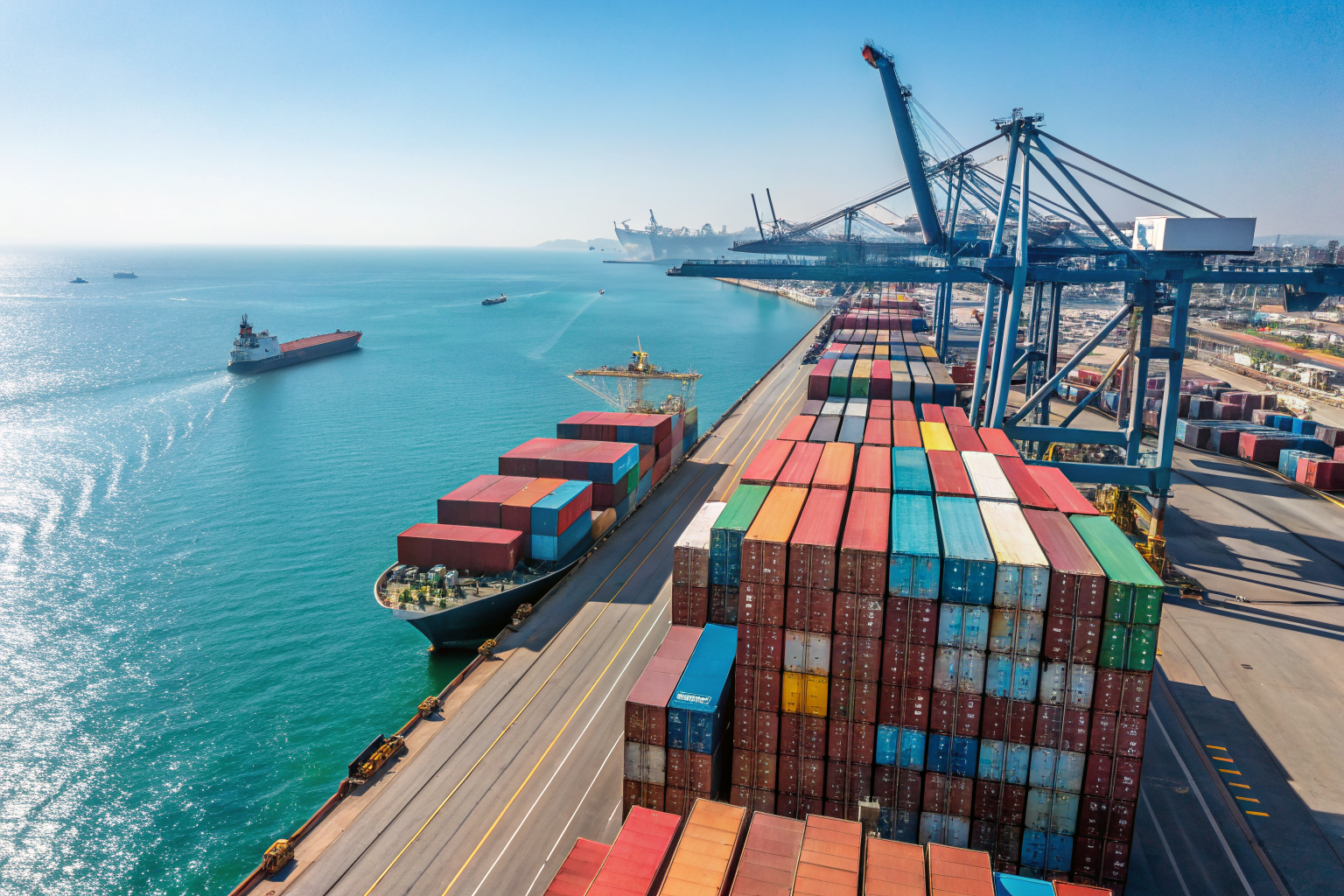
Ocean freight is the most cost-effective option for large or heavy shipments. There are two subcategories:
- FCL (Full Container Load): You rent an entire container (typically 20ft or 40ft). Ideal when your cargo fills at least 15 CBM or more. Transit time from major Chinese ports (Shanghai, Shenzhen, Ningbo) to US West Coast ports (Los Angeles/Long Beach) is typically 14–18 days.
- LCL (Less than Container Load): Your cargo shares space with other shippers' goods. More affordable for smaller shipments under 10–12 CBM, but slightly longer in transit (add 5–7 days for consolidation/deconsolidation).
Air Freight
Air freight is significantly faster (3–7 days) but costs 4–8x more per kilogram than ocean freight. It's best suited for high-value goods, time-sensitive shipments, or cargo weighing under 100 kg. Most shipments travel through major Chinese airports (PVG Shanghai, SZX Shenzhen) to US hubs (LAX, JFK, ORD).
Express Couriers (DHL, FedEx, UPS)
For small parcels under 30–50 kg, express couriers offer door-to-door service in 2–5 business days. They handle customs clearance on your behalf, which simplifies the process — but costs are premium. Express is ideal for samples, urgent orders, or low-weight high-value products.
Step 2: Understand Shipping Costs
Shipping costs from China to USA are influenced by multiple factors:
- Weight and Volume: Ocean freight is priced per CBM (cubic meter); air freight by kg or volumetric weight (whichever is greater).
- Port of Origin/Destination: Shanghai to Los Angeles is cheaper than Guangzhou to New York, generally.
- Seasonality: Rates spike during Peak Season (July–October) and before Chinese New Year.
- Fuel Surcharges (BAF/FAF): These fluctuate monthly and can add 10–25% to base rates.
- Additional Charges: Origin handling, documentation fees, destination terminal handling, and trucking fees.
As a rough benchmark in 2026: LCL ocean freight runs approximately $35–$60/CBM; FCL (40ft container) from Shanghai to LA is roughly $1,800–$3,500 depending on season; air freight averages $4–$8/kg.
Step 3: Prepare Your Shipping Documents
Documentation is where many first-time importers stumble. The core documents required include:
- Commercial Invoice: Details of the goods, value, seller and buyer information. Must be accurate for customs valuation.
- Packing List: Itemized list of all packages, weights, and dimensions.
- Bill of Lading (B/L) or Air Waybill (AWB): The contract between you and the carrier — also your proof of ownership of the cargo.
- ISF (Importer Security Filing): Required for ocean freight shipments to the USA, must be filed 24 hours before cargo is loaded at origin port.
- Customs Entry (CBP Form 3461 or 7501): Filed by your customs broker to clear goods through US Customs and Border Protection (CBP).
Depending on the product type, you may also need: FDA registration, EPA certificates, FCC compliance documentation, or CPSC safety certificates.
Step 4: Navigate US Customs Clearance
US Customs clearance is mandatory for all commercial imports. Here's what happens:
- Entry Filing: Your customs broker files the entry with CBP before arrival. Formal entry is required for shipments valued over $2,500.
- Examination: CBP may select your shipment for examination (physical inspection or document review). This is random but more likely for first-time importers or flagged commodities.
- Duty Assessment: Import duties (tariffs) are calculated based on the HTS (Harmonized Tariff Schedule) code. Chinese goods may be subject to Section 301 tariffs ranging from 7.5% to 25%+, on top of standard Most Favored Nation (MFN) rates.
- Release: Once duties are paid and documentation approved, CBP releases your cargo.
Working with a licensed customs broker or a full-service freight forwarder like King-Hor Supply Chain ensures this process is handled correctly and efficiently.
Step 5: Choose the Right Freight Forwarder
Your freight forwarder is arguably the most important partner in your import supply chain. A good freight forwarder will:
- Coordinate pickup from your Chinese supplier's factory
- Book space on vessels or aircraft
- Prepare and file all export documentation in China
- Manage customs clearance on the US side
- Arrange final delivery to your warehouse, Amazon FBA facility, or direct to customers
When evaluating freight forwarders, look for: NVOCC license (for ocean freight), established carrier relationships, transparent fee structures, real-time tracking capabilities, and responsive customer service with English-language support.
Step 6: Track and Manage Your Shipment
Modern freight forwarding has become highly transparent. Most reputable forwarders provide online tracking portals where you can monitor your shipment from factory pickup to final delivery. Key milestones to watch:
- Cargo received at origin warehouse
- Loaded on vessel/aircraft
- Departed origin port
- Arrived at US port
- Customs cleared
- Out for delivery
Pro tip: Build in buffer time. Even with accurate transit times, delays at US ports (especially during peak season), customs holds, or weather events can add 3–10 days to any shipment.
Common Mistakes to Avoid
After working with hundreds of importers, the King-Hor team has identified the most frequent and costly mistakes:
- Undervaluing goods on the commercial invoice: This is customs fraud and can result in penalties, seizure, and import bans.
- Incorrect HTS codes: Wrong classification leads to wrong duty rates — either overpaying or triggering audits.
- Not filing ISF on time: A $5,000 penalty per violation from CBP.
- Ignoring compliance requirements: Products like electronics, children's toys, cosmetics, and food items require specific certifications before they can legally enter the US.
- Booking too late during peak season: Space on vessels fills up weeks in advance from July through October.
Working with King-Hor Supply Chain
King-Hor Supply Chain specializes in B2B freight forwarding from China to the United States. Our team, based in both China and the USA, offers end-to-end logistics solutions tailored for importers of all sizes — from startups placing their first container order to established businesses moving millions of dollars in goods annually.
Our services include:
- FCL and LCL ocean freight from all major Chinese ports
- Air freight and express courier consolidation
- US customs clearance and brokerage
- Amazon FBA prep and direct-to-warehouse delivery
- Cargo insurance and cargo tracking
- Chinese supplier coordination and quality inspection services
The Bottom Line
Shipping from China to the USA in 2026 requires careful planning, the right documentation, and a reliable logistics partner. The importers who consistently succeed are those who invest time in understanding the process, build relationships with trusted freight forwarders, and plan their supply chains proactively rather than reactively.
Whether you're shipping your first order or optimizing an established import operation, King-Hor Supply Chain is here to help every step of the way. Contact our team today for a free shipping quote and personalized consultation.