Skip to content
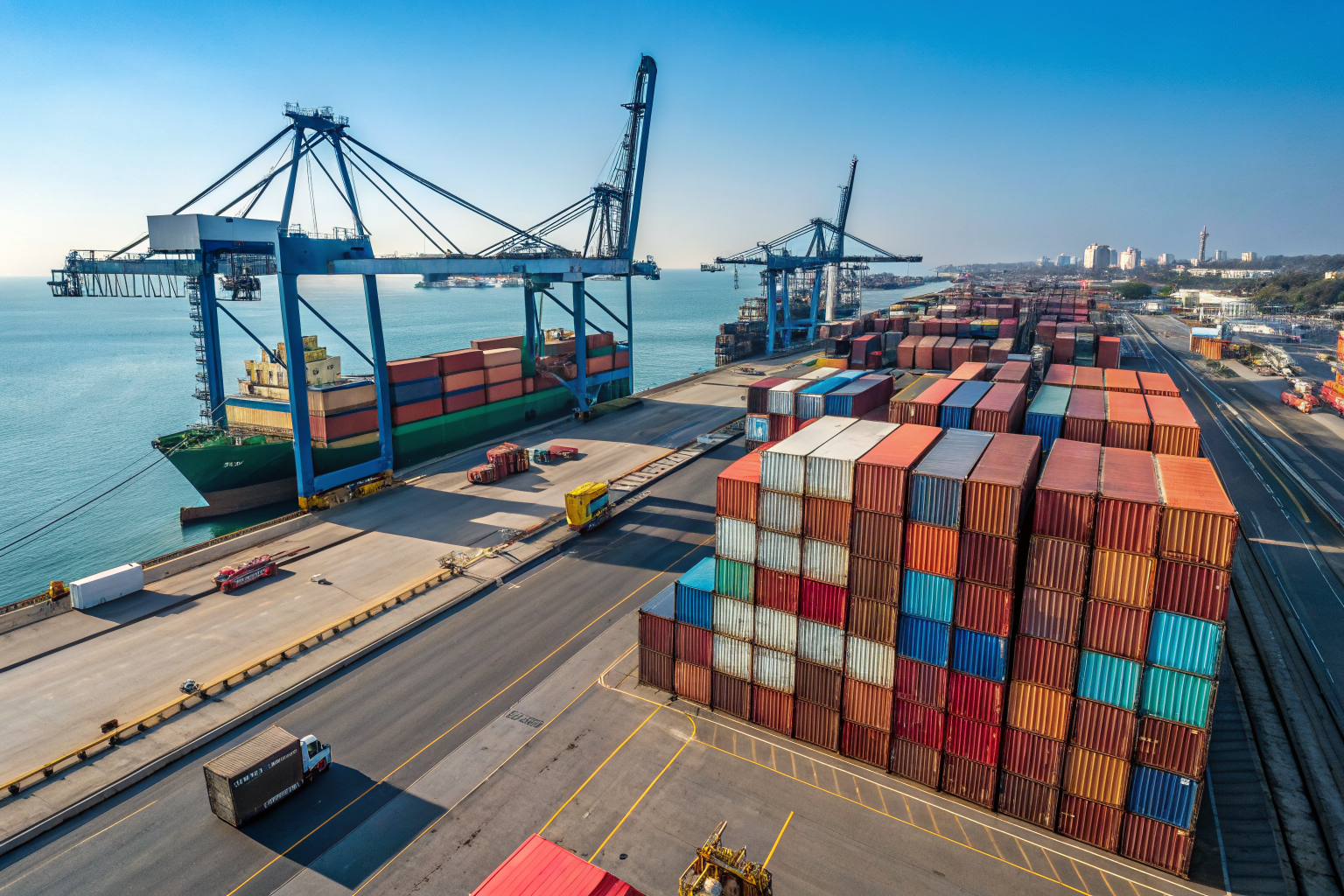
When shipping goods from China to the United States, one of the most critical decisions you'll face is whether to use Less than Container Load (LCL) or Full Container Load (FCL) shipping. This choice directly impacts your freight costs, transit times, and overall supply chain efficiency. For businesses importing from China—whether you're an Amazon FBA seller, e-commerce entrepreneur, or established importer—understanding the differences between LCL and FCL is essential for optimizing your logistics budget and maintaining inventory flow.
In this comprehensive guide, we'll break down everything you need to know about LCL versus FCL shipping, helping you make informed decisions that align with your business needs and budget constraints.
Understanding LCL and FCL: The Basics
Full Container Load (FCL) means you're renting an entire shipping container exclusively for your cargo. Standard container sizes include 20-foot containers (holding approximately 28-30 cubic meters) and 40-foot containers (holding approximately 58-60 cubic meters). When you book FCL, the container is loaded at your supplier's facility, sealed, and remains unopened until it reaches your destination warehouse.
Less than Container Load (LCL) means your goods share container space with shipments from other importers. Your freight is measured in cubic meters (CBM), and you only pay for the space your cargo occupies. The freight forwarder consolidates multiple shippers' goods into one container, then separates them at the destination port.
Cost Comparison: Breaking Down the Numbers
The cost-effectiveness of LCL versus FCL depends primarily on your cargo volume. As a general rule, FCL becomes more economical when your shipment exceeds 15 cubic meters (CBM), though this threshold varies based on current market rates and specific trade lanes.
When LCL Makes Financial Sense
For shipments between 2-15 CBM, LCL typically offers better value. You'll pay approximately $80-$150 per CBM from China to US West Coast ports, depending on season and market conditions. During peak seasons (August through October), expect rates on the higher end. LCL is particularly advantageous for:
- Small to medium-sized businesses testing new product lines
- Amazon FBA sellers managing inventory with frequent, smaller replenishments
- Businesses with limited warehouse space who prefer regular smaller deliveries
- Companies importing high-value, low-volume products
When FCL Delivers Better Value
A 20-foot container from China to the US West Coast typically ranges from $1,500-$3,500, while a 40-foot container costs approximately $2,000-$4,500 (rates fluctuate based on market demand). When your cargo exceeds 15 CBM, the per-unit cost with FCL drops significantly. FCL is ideal for:
- Large shipments that fill at least 60-70% of a container
- Businesses with established product lines requiring bulk replenishment
- Importers with adequate warehouse capacity to receive larger volumes
- Time-sensitive shipments requiring faster transit
Transit Time Considerations
FCL shipments generally arrive faster than LCL because they bypass the consolidation and deconsolidation processes. From Chinese ports like Shenzhen or Ningbo to Los Angeles or Long Beach, FCL ocean freight typically takes 14-18 days port-to-port. LCL shipments on the same route usually require 18-25 days due to additional handling time at both origin and destination.
For time-sensitive cargo, particularly for Amazon FBA sellers facing stockout situations, the transit time difference matters significantly. Missing your delivery window can mean lost sales, reduced seller rankings, and disappointed customers. In such situations, you might even consider air freight options, which can deliver goods from China to US warehouses in 5-8 days, though at a premium cost.
Risk Factors and Cargo Security
FCL provides superior cargo security since your container is loaded, sealed, and not reopened until final destination. This reduces handling touchpoints and minimizes risks of damage, loss, or contamination. For fragile goods, high-value merchandise, or products requiring specific temperature or humidity conditions, FCL offers better control.
LCL shipments undergo multiple handling stages—consolidation at origin, potential transshipment, and deconsolidation at destination. Each touchpoint introduces risk, though reputable freight forwarders implement strict protocols to minimize damage. Proper packaging becomes critical for LCL shipments; invest in robust packaging materials and clear labeling to protect your goods.
Flexibility and Inventory Management
LCL shipping provides greater flexibility for businesses using just-in-time inventory strategies or selling on Amazon FBA. Instead of tying up capital in large inventory orders, you can ship smaller quantities more frequently, maintaining optimal stock levels without overextending your budget or warehouse capacity.
This flexibility proves particularly valuable when:
- Testing new products with uncertain demand
- Managing seasonal inventory fluctuations
- Working with multiple suppliers requiring separate shipments
- Maintaining cash flow by spreading purchases across multiple months
Hidden Costs to Consider
Beyond the base freight rate, factor in these additional costs that differ between LCL and FCL:
LCL-specific charges often include cargo handling fees (CHC), deconsolidation fees at destination, and bill of lading fees charged per shipment rather than per container. These fees typically add $150-$300 to your total cost.
FCL shipments include container drayage (trucking from port to your warehouse), which costs approximately $300-$600 for local delivery within 50 miles of major ports. You'll also need to consider chassis rental fees and potential demurrage charges if you exceed the free time allowed at the port (typically 3-5 days).
Making Your Decision: A Practical Framework
Calculate your break-even point by obtaining quotes for both LCL and FCL options for your specific cargo volume. Professional freight forwarders experienced in China-to-USA shipping can provide accurate quotations that include all accessorial charges, customs clearance fees, and destination delivery costs.
Consider these factors in your decision matrix:
- Total cargo volume and weight
- Product value and fragility
- Urgency and delivery deadlines
- Available warehouse capacity
- Cash flow and working capital availability
- Frequency of shipments from your suppliers
Streamlining Your China-to-USA Shipping
Whether you choose LCL or FCL, working with an experienced freight forwarder simplifies the entire process. At King-Hor Supply Chain, with offices strategically located in Shenzhen, Los Angeles, and Hong Kong, we've been helping businesses navigate China-to-USA shipping since 2015. Our comprehensive services include ocean freight for both LCL and FCL shipments, air freight for urgent deliveries, complete customs clearance handling, FBA door-to-door delivery services, LA warehousing solutions, and even supplier sourcing assistance for businesses seeking reliable Chinese manufacturers.
Our LA-based warehousing facilities provide the perfect solution for businesses needing flexible receiving options, quality inspection services, or temporary storage before final delivery to Amazon fulfillment centers or retail locations.
Ready to optimize your shipping strategy? Contact King-Hor Supply Chain today for a customized freight solution tailored to your specific business needs. Our team of logistics experts will analyze your shipping requirements and recommend the most cost-effective approach—whether that's LCL, FCL, or a hybrid strategy that adapts to your changing business needs throughout the year.
Related Articles
- VGM in Container Shipping: What Overseas Buyers Need to Know About Verified Gross Mass Rules
- 2025 Shipping Outlook — How Freight Forwarders Help Buyers Navigate Cost Increases and Container Shortages
- Container Size Guide 2025 — How to Pick the Best Option for Shipping from China
- How to Ship a Container from China to the USA — A Freight Forwarder’s Step-by-Step Guide