Skip to content
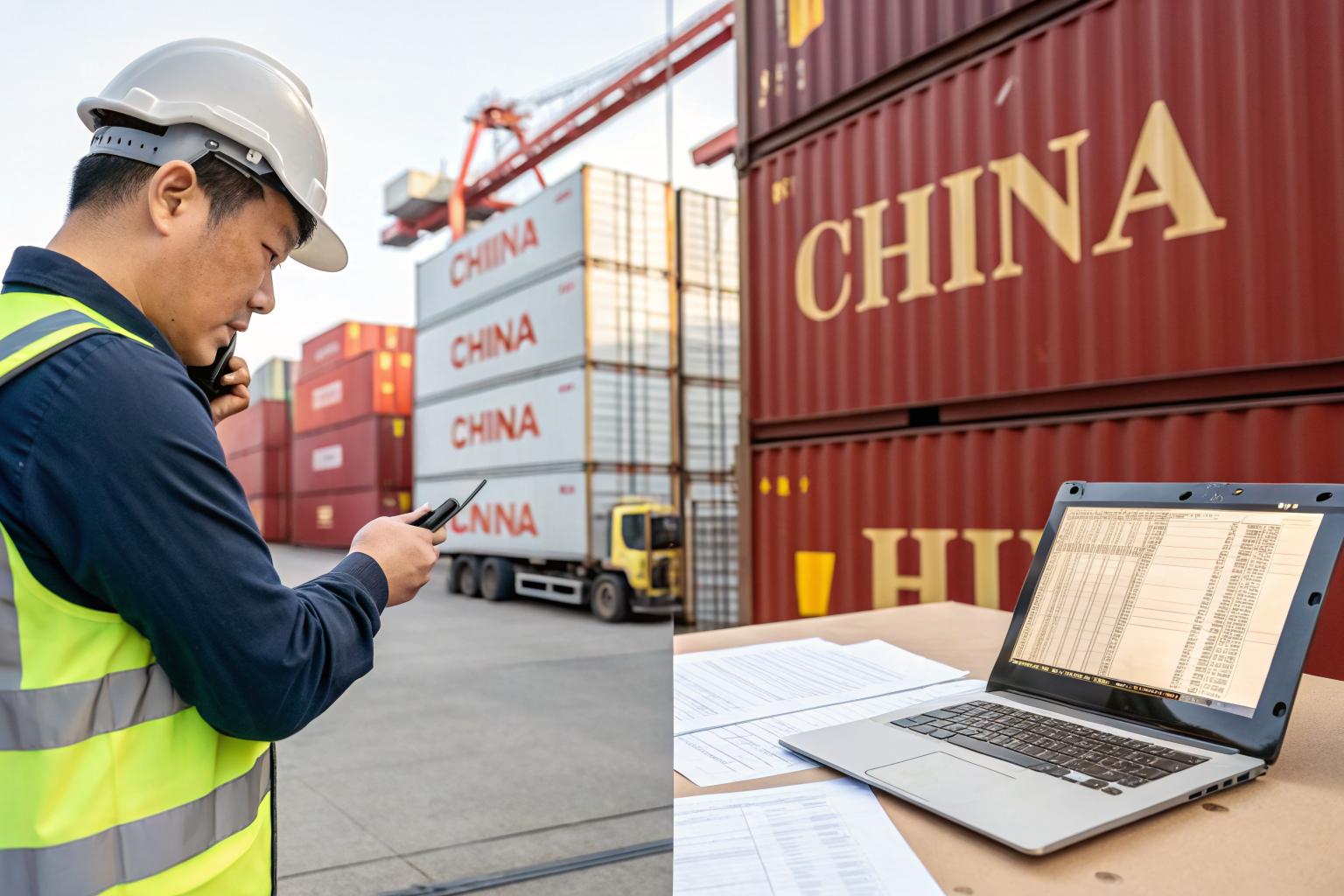
You can find the correct HS code for your China imports by using the official Harmonized Tariff Schedule (HTS), checking your product's material composition and primary function, and consulting with your freight forwarder or customs broker. The HS code system classifies all traded goods into standardized categories that determine import duties, regulations, and clearance procedures—making it essential knowledge for any importer sourcing from China.
At King-Hor Supply Chain, we've helped over 1,000 importers navigate HS codes correctly for more than nine years, preventing costly classification errors and customs delays. Getting this right from the start saves you 15-25% on unnecessary duty overpayments and ensures smooth ocean freight and air freight shipments from our Shenzhen and Hong Kong offices directly to your Los Angeles warehouse or Amazon FBA destinations.
Why HS Codes Matter for China Imports
The Harmonized System (HS) code is a six-digit international classification used by over 200 countries to identify products in international trade. When you're importing goods from China, U.S. Customs and Border Protection (CBP) uses HS codes to:
- Calculate tariff duties: Different HS codes carry different duty rates—some as low as 0%, others reaching 25% or higher depending on trade agreements and origin
- Enforce regulations: Certain classifications trigger additional requirements (FDA inspections for food products, CPSIA compliance for children's goods, etc.)
- Collect trade statistics: CBP uses HS data to track import trends and enforce anti-dumping measures
- Determine shipping documentation: Your commercial invoice, packing list, and bill of lading all reference the HS code
Misclassifying even one shipment can result in detention, penalties up to 20% of the declared value, and shipment delays of 2-4 weeks. We've seen Amazon FBA sellers lose $5,000+ in inventory costs because an incorrectly classified shipment arrived late for peak season.
How to Find HS Code China
Finding the right HS code for products manufactured in China requires using official U.S. government resources and understanding your product's specific characteristics. Here's the most reliable approach:
Step 1: Use the Official HTS Database
The U.S. International Trade Commission (USITC) maintains the official Harmonized Tariff Schedule at usitc.gov. You can search by:
- Product name: Search "plastic water bottles" or "aluminum alloy parts"
- Material: Search by primary material (polyethylene, stainless steel, etc.)
- Use: Search by function (packaging, machinery components, consumer goods)
The HTS database returns a 10-digit code for U.S. imports. The first six digits are the universal HS code (used internationally); the last four digits are U.S.-specific classifications called Schedule B codes.
Step 2: Check the General Rules of Interpretation
The HS system classifies products based on specific rules. For example:
- A product is classified by its essential character or primary material
- Mixed-material items are classified by the material that gives the item its essential character
- If still uncertain, a product defaults to the last-enumerated provision in the chapter
If you're importing plastic-metal composite parts from China, the HS code depends on whether plastic or metal constitutes the essential function.
Step 3: Review Duty Rates and Additional Requirements
Once you've identified potential codes, check the duty rate column in the HTS. You'll see:
- General rate: Standard tariff rate (e.g., 5.5%)
- Special rates: Reduced rates under trade agreements (e.g., 2.5% for USMCA countries)
- Antidumping duties: Additional tariffs if a category has active trade disputes
China products may face additional tariffs under Section 301 of the Trade Act of 1974. Check the Office of U.S. Trade Representative (USTR) website for active tariff lists by HS code—rates can fluctuate 10-25% depending on current trade policy.
Step 4: Consult with Your Freight Forwarder
When in doubt, your freight forwarder should review the HS code before your ocean shipment or air freight departure from China. At King-Hor, our customs clearance team verifies HS codes on every shipment—we've identified and corrected over 200 misclassifications in the past two years alone, saving our clients an average of $1,200 per shipment in avoided penalties.
How to Find What HS Code to Use
Finding the correct HS code for your specific product involves matching your item's composition, function, and presentation to HTS provisions—a process that requires careful attention to detail and sometimes professional guidance.
Key Classification Factors
The HTS uses a hierarchical structure, so you must accurately identify your product at each level:
| Classification Level | Code Digits | Example: Stainless Steel Food Container | Tariff Rate (General) |
|---|---|---|---|
| Chapter | First 2 digits | 73 (Articles of Iron/Steel) | Varies by subheading |
| Heading | First 4 digits | 7310 (Tanks, vats, etc.) | Varies by subheading |
| Subheading | First 6 digits | 731020 (Stainless steel tanks for liquids) | 5.5% |
| Statistical Suffix | Last 4 digits (U.S. only) | 7310209000 (Over 500L capacity) | 5.5% |
Practical Classification Tips
For mixed-material products: Always classify by the material that gives the item its essential character. A silicone-plastic phone case is typically classified as plastic (HS code 3926), not silicone.
For machinery and equipment: If the product has multiple functions, classify by its principal function. An electric mixer used primarily for food preparation (not industrial processing) might be HS code 8509 instead of HS code 8425.
For apparel and textiles: Fiber content determines the code—a 75% cotton, 25% polyester t-shirt is classified as cotton (HS code 6109), not blended fiber.
When you're unsure: Request a Binding Tariff Classification (BTC) ruling from CBP before importing larger quantities. This ruling—which takes 30-60 days and costs around $300-500 in professional fees—provides legal certainty and protects you from reclassification penalties for future shipments of the same product.
Common HS Code Mistakes
We see these errors frequently at King-Hor when customs brokers aren't involved:
- Using the wrong digit (HS 6201 vs. 6203 for men's jackets—difference of 10-12% in duty rates)
- Misidentifying product type (classifying LED bulbs as general lighting fixtures instead of LED-specific codes, adding 2-3% to duties)
- Forgetting country-specific tariffs (China-origin goods may face additional duties compared to USMCA origins)
What Is the HS Code 8422309090?
HS code 8422309090 classifies fully automatic dishwashers with a capacity exceeding 12 place settings and electric induction cookers, representing a product category with approximately 12-15% general tariff rate and specific FDA/UL certification requirements.
Breaking down this code:
- 84: Chapter for nuclear reactors, boilers, machinery, and mechanical appliances
- 22: Heading for "Dishwashing machines and machinery for cleaning articles"
- 30: Subheading specifying "Dishwashing machines of capacity > 12 place settings"
- 90: U.S. statistical suffix indicating "other/industrial models"
If you're importing dishwashers from China, this code applies specifically to:
- Fully automatic models (not semi-automatic)
- Capacity exceeding 12 place settings (commercial or large residential)
- Electrically powered (not manual)
Duty Rate: General rate is 12.5%; however, China-origin goods may face an additional 10-25% Section 301 tariff depending on current trade policy, bringing the effective duty to 22.5-37.5%.
Compliance Requirements: Dishwashers classified under 8422309090 must meet:
- UL 196 safety standards (electrical safety)
- ENERGY STAR certification (if marketed as such)
- FDA compliance for any food-contact surfaces
- Lead and phthalate restrictions if marketed for household use
When King-Hor handles clearance for appliances under this code, we factor in 5-7 additional business days for compliance verification—ocean freight typically takes 14-21 days from Shenzhen to Los Angeles, with an additional 2-3 days for our LA warehouse processing and compliance checks.
Best Practices for HS Code Accuracy
Partner with a customs broker: Brokers have access to more detailed HTS resources and historical classification rulings. Most charge $50-150 per HS code verification.
Prepare accurate product documentation: Your Chinese supplier should provide detailed specifications including material composition (in percentages), dimensions, weight, and intended use. Vague product descriptions lead to guesswork in HS codes.
Use your freight forwarder as a resource: At King-Hor, we review HS codes on every shipment—ocean freight from Shenzhen, air freight from Hong Kong, and FBA door-to-door services all include code verification. This service prevents costly reclassifications.
Document your classification logic: Keep records of why you chose a specific code. If CBP questions your classification, documentation showing your good-faith effort (product photos, supplier specs, HTS research) demonstrates compliance and can reduce penalties.
How King-Hor Helps with HS Code Compliance
With over nine years of experience moving goods from China to the USA for 1,000+ importers, we've built expertise in HS code classification across every major product category. Our services include:
- Pre-shipment code review: We verify your HS codes before goods leave China, preventing delays
- Customs clearance: Our team handles all CBP documentation with correct classifications
- LA warehouse operations: We store and prepare inventory according to regulatory requirements matched to each product's classification
- Amazon FBA prep: FBA door-to-door services include ensuring products meet all regulations tied to their HS codes
Whether you're importing 500 units of textile goods or 5,000 units of machinery, the HS code affects your landed costs, timeline, and compliance risk. Getting it right matters.
Get Your HS Code Verified Today
Don't let an incorrect HS code delay your China imports or increase your landed costs. Contact King-Hor Supply Chain for a free HS code review and shipping quote. Our team will verify your codes, confirm applicable tariff rates and trade agreements, and provide a transparent freight cost breakdown within 24 hours.
Whether you need ocean freight pricing, air freight options, customs clearance guidance, or full door-to-door service to your Amazon FBA location, we're here to help. Request your free quote now at King-Hor Supply Chain—nine years of China-to-USA expertise at your service.