Skip to content
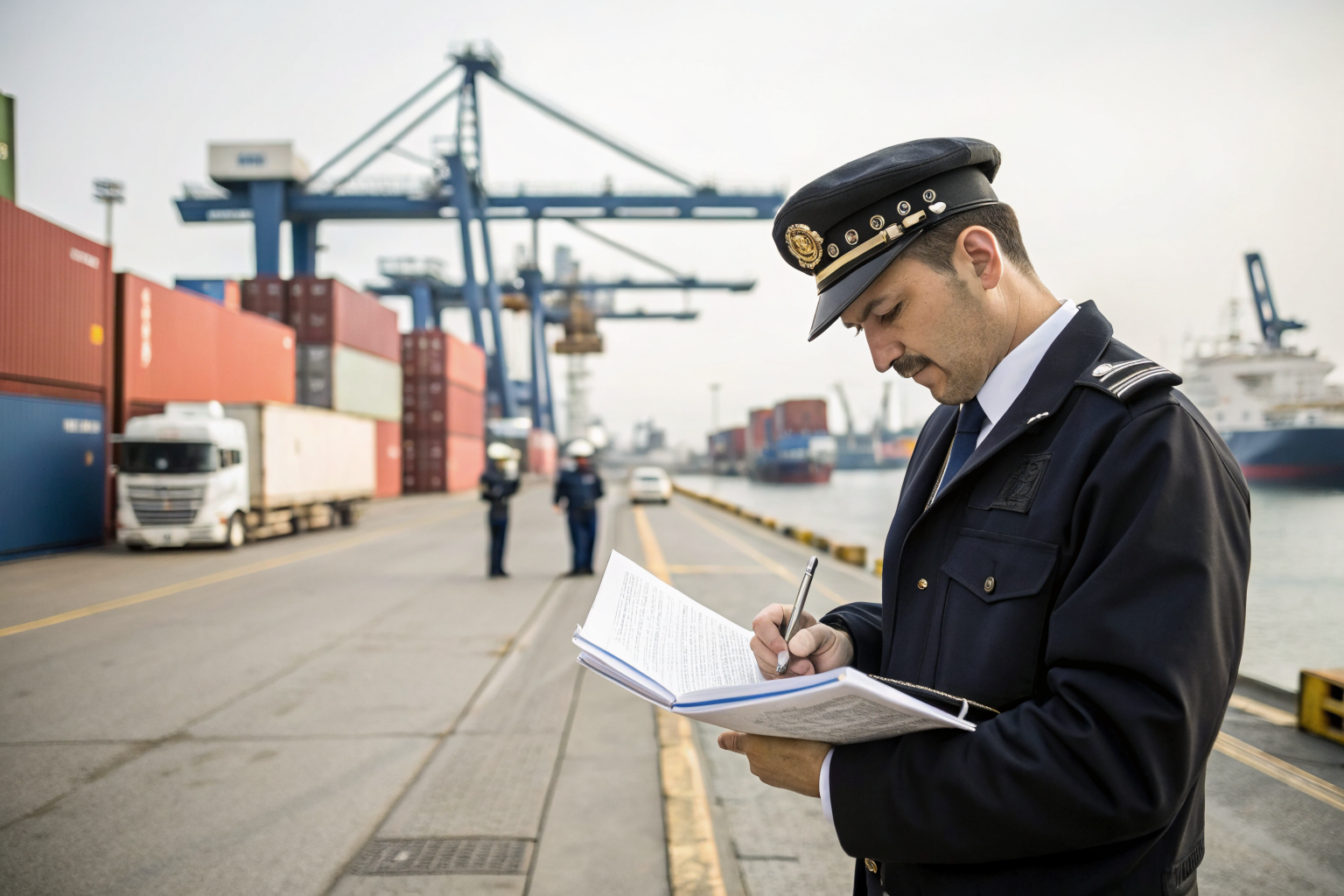
If you're thinking about importing goods from China to the United States, one of the first questions that probably crosses your mind is: do I need an import license? It's a fair concern — the word 'license' suggests paperwork, government offices, and waiting months for approval. Here's the good news: for the vast majority of products and importers, no formal import license is required by U.S. Customs and Border Protection (CBP). The import landscape has shifted dramatically over the past decade, and what used to be a complex B2B-only world is now wide open to individual buyers, SOHO entrepreneurs, and small e-commerce sellers. This article breaks down exactly what you need (and don't need) to legally import from China, when special permits apply, and how modern freight forwarders have evolved from simple logistics providers into full import solution partners.
The Short Answer: No General Import License Is Required
The United States, unlike many other countries, does not issue a general import license that all importers must hold. U.S. Customs and Border Protection (CBP) does not require importers to obtain a license or permit to bring most commercial goods into the country. Whether you're a registered LLC, a sole proprietor, or even an individual ordering products for resale on Amazon, you can legally import goods from China as long as you comply with CBP regulations and pay the applicable duties and taxes. This is a major reason the U.S. has become one of the most accessible import markets in the world, especially for small businesses and cross-border e-commerce sellers.
What You Actually Need to Import from China
While a formal import license isn't required, there are several documents and identifiers you'll need to clear customs smoothly. The exact paperwork depends on the type of goods, shipment value, and how you're shipping. For most importers, the core requirements are surprisingly manageable and can usually be sorted out within a few business days.
- An Importer of Record (IOR) number — this is your EIN if you're a business, or your Social Security Number if you're an individual
- A commercial invoice from your Chinese supplier showing product details, value, and parties involved
- A packing list specifying carton counts, weights, and dimensions
- A bill of lading (ocean) or air waybill (air) issued by the carrier or freight forwarder
- A customs bond if your shipment is valued over $2,500 or contains regulated goods
- The correct HTS (Harmonized Tariff Schedule) classification code for your products
- A Power of Attorney granted to your customs broker to file entries on your behalf
When You DO Need a License or Special Permit
While general merchandise doesn't require a license, certain product categories are regulated by specific federal agencies and need additional approvals before they can enter the U.S. This is where many first-time importers get caught off guard. The Food and Drug Administration (FDA) regulates food, cosmetics, supplements, and medical devices. The Environmental Protection Agency (EPA) oversees chemicals, pesticides, and engines. The Consumer Product Safety Commission (CPSC) handles children's products and items with safety risks. Alcohol, tobacco, and firearms fall under the ATF. If your products fall into any regulated category, you'll need to register with the relevant agency, file specific entry documents, and sometimes obtain a permit before your goods can clear customs. Skipping this step almost always results in detained shipments, costly storage fees, or outright destruction of the cargo.
The B2C Revolution: Import Freedom for Individuals and SOHO Sellers
Just a decade ago, importing from China was largely a B2B affair. Freight forwarders would typically refuse to handle a shipment unless the buyer was a registered company with a tax ID, proper licensing, and a customs broker on retainer. Today, that gatekeeping has largely disappeared. Amazon FBA sellers, Shopify dropshippers, eBay resellers, and even hobbyists ordering small wholesale batches can now import directly from Chinese factories with minimal friction. The shift to B2C has democratized international trade. Section 321 de minimis entries allow shipments under $800 to clear customs duty-free with simplified paperwork, opening the door for individuals to test products and grow micro-brands without committing to massive container loads. The barriers that once protected the industry from small players are gone — and that's a good thing for innovation and entrepreneurship.
How Modern Freight Forwarders Solve the Import Puzzle for You
The role of a freight forwarder has fundamentally changed. Ten years ago, a forwarder was simply a logistics middleman — book a container, deliver to the port, send an invoice. Today, the best forwarders act as complete import solution providers, handling everything from supplier coordination to U.S. tax compliance. At King-Hor Supply Chain, our team manages the full import chain on behalf of clients: consolidating goods from multiple Chinese suppliers, inspecting cargo before it ships, preparing all customs documentation, applying the correct HTS codes, advising on duty optimization, arranging FDA or other agency filings when needed, and delivering directly to Amazon FBA warehouses or your buyer's door. For SOHO sellers and small businesses without an in-house compliance team, this end-to-end support transforms importing from an intimidating obstacle course into a predictable monthly process.
Common Mistakes That Cost Importers Time and Money
Even though a license isn't required, plenty of small importers run into trouble by underestimating the compliance side of cross-border trade. The most common mistake is undervaluing goods on the commercial invoice to reduce duties — CBP regularly audits these declarations, and the penalties dwarf any savings. Another frequent issue is using the wrong HTS code, which can either overcharge you on duties or trigger a customs hold. Importers also routinely forget about the customs bond requirement, missing labeling rules (country of origin marking is mandatory), or fail to verify that their supplier is shipping a product that complies with U.S. safety standards. Working with a forwarder who understands both Chinese export practices and U.S. import regulations prevents these costly errors before goods ever leave the factory.
Section 321 and Duty Considerations for Small Importers
For very small shipments, Section 321 of the Tariff Act allows goods valued under $800 per day per recipient to enter the U.S. duty-free and with minimal paperwork. This is a game changer for direct-to-consumer e-commerce models where individual parcels are shipped to U.S. buyers. However, recent policy changes have tightened de minimis rules for certain Chinese-origin goods, and additional Section 301 tariffs may apply on top of standard duty rates. For larger shipments, partnering with a freight forwarder who understands current tariff schedules — including any active exclusions or trade remedy measures — can save you thousands of dollars per container. King-Hor's customs team monitors tariff updates daily and advises clients on optimal entry strategies, whether that's bonded warehousing in our Los Angeles facility, first-sale valuation, or tariff engineering through proper classification.
To summarize: you do not need a formal import license to bring most goods from China to the United States, whether you're a registered business or an individual entrepreneur. What you do need is the right paperwork, an EIN or SSN as your Importer of Record number, a customs bond for shipments over $2,500, and special agency approvals if your products fall into regulated categories like food, cosmetics, or children's items. The bigger truth is that importing in 2026 is no longer about gatekeeping — it's about partnership. The best freight forwarders today don't just move boxes; they manage your entire import chain, handle compliance, optimize duties, and let you focus on growing your business. If you're planning your next shipment from China and want a partner who can take care of logistics, customs, and the full import solution under one roof, reach out to King-Hor Supply Chain for a free consultation. We've helped thousands of small and medium importers navigate the China-to-USA route since 2015 — and we'd be glad to help you too.