Skip to content
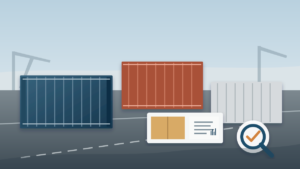
For many importers, Amazon sellers, procurement teams, and industrial buyers, CBM is one of the first numbers requested when planning an international shipment. Suppliers often provide estimated carton dimensions, pallet counts, and packing lists before the cargo is actually loaded or measured. Because of that, it is common for the estimated CBM to be higher than the final measured volume.
In most normal freight scenarios, overestimating CBM is not a serious problem. It may affect early planning, but it usually does not mean you will automatically pay more. The real impact depends on the shipping method: full container load, LCL shipment, or a DDP special line arranged through a private warehouse network.
What CBM Means in Freight Planning
CBM means cubic meter. In freight forwarding, it describes how much physical space your cargo occupies. It is calculated from length, width, and height, usually after cartons or pallets are packed.
CBM matters because it helps a forwarder estimate:
- Whether cargo can fit into a container
- Whether LCL or FCL is more suitable
- How much warehouse space may be needed
- How customs and warehouse documents should be prepared
- How chargeable volume may be calculated for LCL or special line services
The important point is that an early CBM figure is often only an estimate. It usually comes from the seller's packing information, not from a final warehouse measurement. If the factory says the shipment is 70 CBM but the actual loaded cargo is closer to 60 CBM, that gap is not unusual.
Why CBM Is Often Overestimated
CBM overestimation happens for practical reasons. Many suppliers prepare packing information before final production, before cartons are sealed, or before the goods are palletized. Some add extra allowance to avoid under-reporting cargo volume. Others calculate from carton drawings instead of actual packed cartons.
Photo: Wikimedia Commons, CC BY-SA 4.0, by Raimond Spekking
Photo: Wikimedia Commons, Public domain, by Jacinta Quesada/FEMA
Photo: Wikimedia Commons, Public domain, by Marketing Team
Photo: Wikimedia, by-sa, by Doraemon.tvb
Photo: Wikimedia, by-sa, by Axisadman
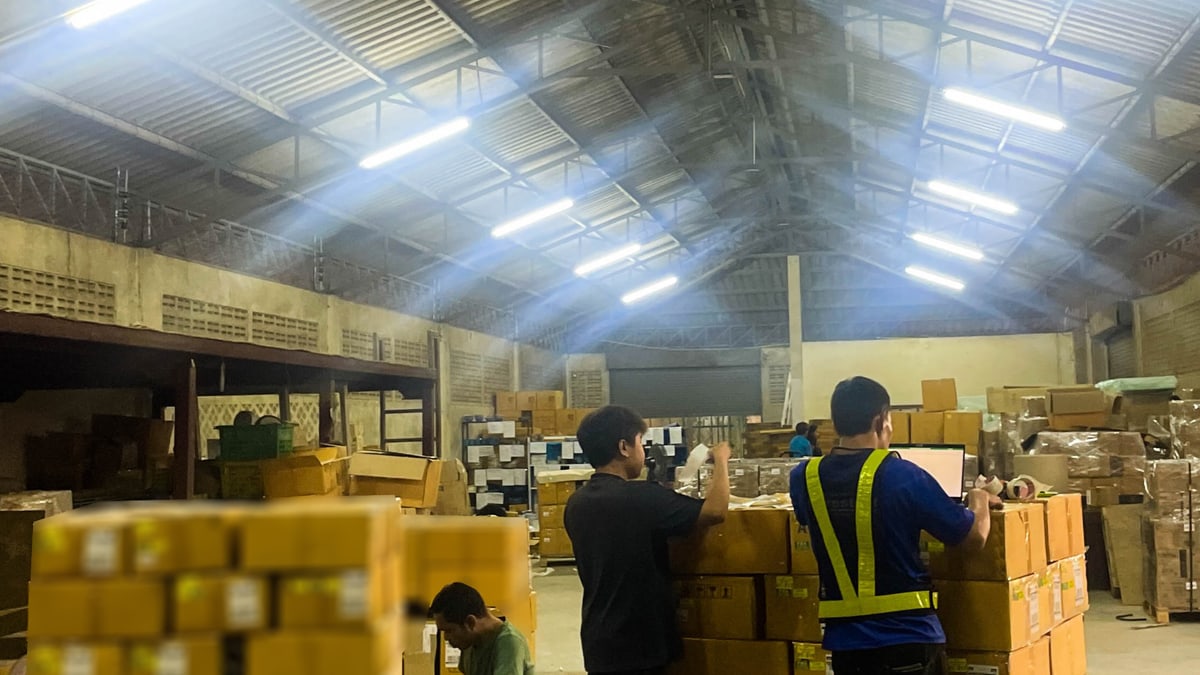
Photo: Wikimedia, CC BY, by Goterrestrial
Common reasons include:
- Carton dimensions are rounded up
- Pallet height is estimated before stacking is finished
- Outer packaging changes after the first packing list is created
- The supplier includes buffer space between cartons
- Cargo is repacked at the warehouse
- Mixed SKUs are calculated conservatively
For importers, the question is not whether the first estimate is perfect. The better question is whether the shipment method will correct the number before billing and documentation are finalized.
If You Overestimate CBM for FCL Shipping
For full container load shipping, overestimating CBM is usually not a major issue as long as the cargo still fits safely into the selected container.
Photo: Wikimedia Commons, CC BY-SA 4.0, by Raimond Spekking
Photo: Wikimedia Commons, Public domain, by Marketing Team
Photo: Wikimedia Commons, Public domain, by w:User:Paranoid
Photo: Wikimedia, by-sa, by LeeG7144
Photo: Wikimedia, by-sa, by heb@Wikimedia Commons (mail)
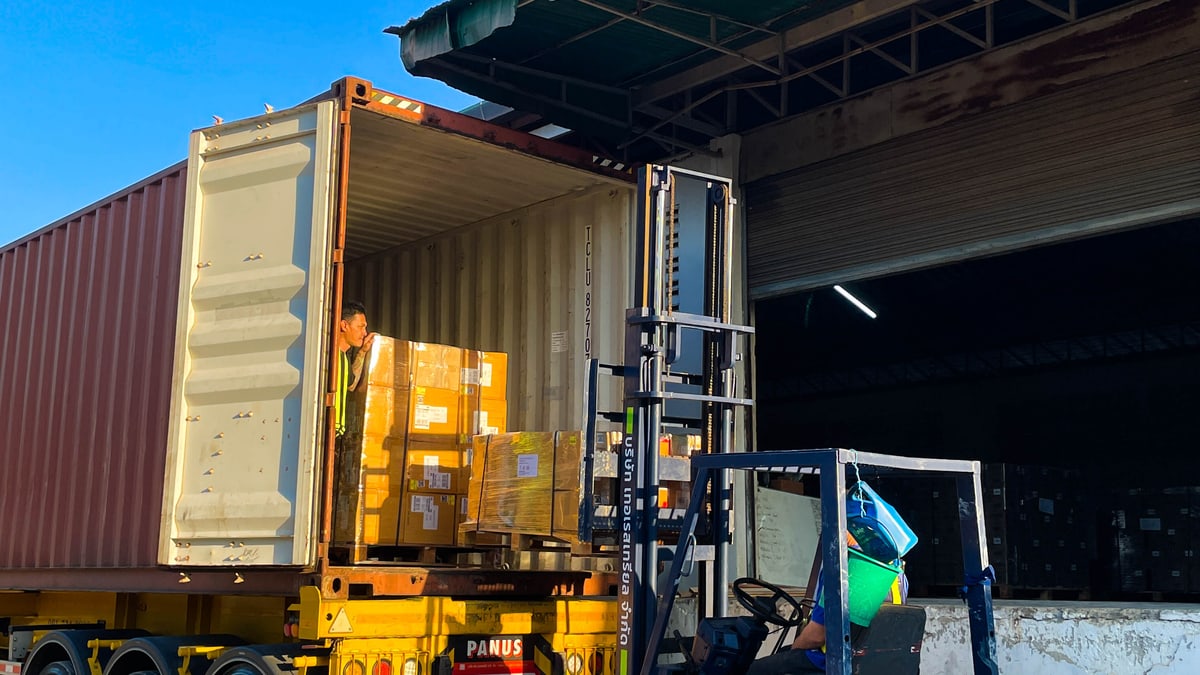
Photo: Wikimedia, CC BY, by Goterrestrial
A container has a fixed internal loading space. Once the goods are loaded into the container, the usable space is physically limited by the container itself. If your supplier estimates 70 to 75 CBM, but the actual cargo occupies about 60 CBM, the container does not become more expensive just because the early estimate was higher.
In practice, the forwarder uses the estimated CBM to decide whether a 20GP, 40GP, 40HQ, or another container type may be required. After loading, the key operational facts are the container number, seal number, gross weight, package count, and final shipping documents.
For example, if the shipment is expected to be around 70 CBM but actually loads as 60 CBM into a 40HQ, the container still moves as one container. The freight is normally based on the container movement, not a per-CBM billing adjustment inside that container.
However, overestimating too much can still create planning friction. It may cause the buyer to reserve a larger container than needed, delay a consolidation decision, or miss a chance to combine more cargo in the same box. The cost risk is usually not from being charged per extra CBM, but from choosing a less efficient container plan.
If You Overestimate CBM for LCL Shipping
For LCL shipping, overestimating CBM is usually even less worrying because the cargo is measured again after it enters the bonded warehouse or customs-supervised warehouse.
This is why the keyword overestimate cbm volume lcl is often searched by buyers who are afraid they will be charged based on a supplier's rough packing list. In standard LCL handling, the receiving warehouse checks the cargo and records actual dimensions, package count, and weight. The final warehouse measurement is normally the basis for accurate volume data.
If the supplier said 8 CBM but the bonded warehouse measures 6.7 CBM, the warehouse data is the figure that matters for the shipping process. The customs clearance documents and LCL booking details should be prepared according to the accurate receiving record, not an inflated early estimate.
This means that if your LCL cargo is overestimated, you usually do not need to panic. The correct action is to wait for the warehouse measurement, confirm the receiving record, and use that data for final documents.
Why Bonded Warehouse Measurement Matters
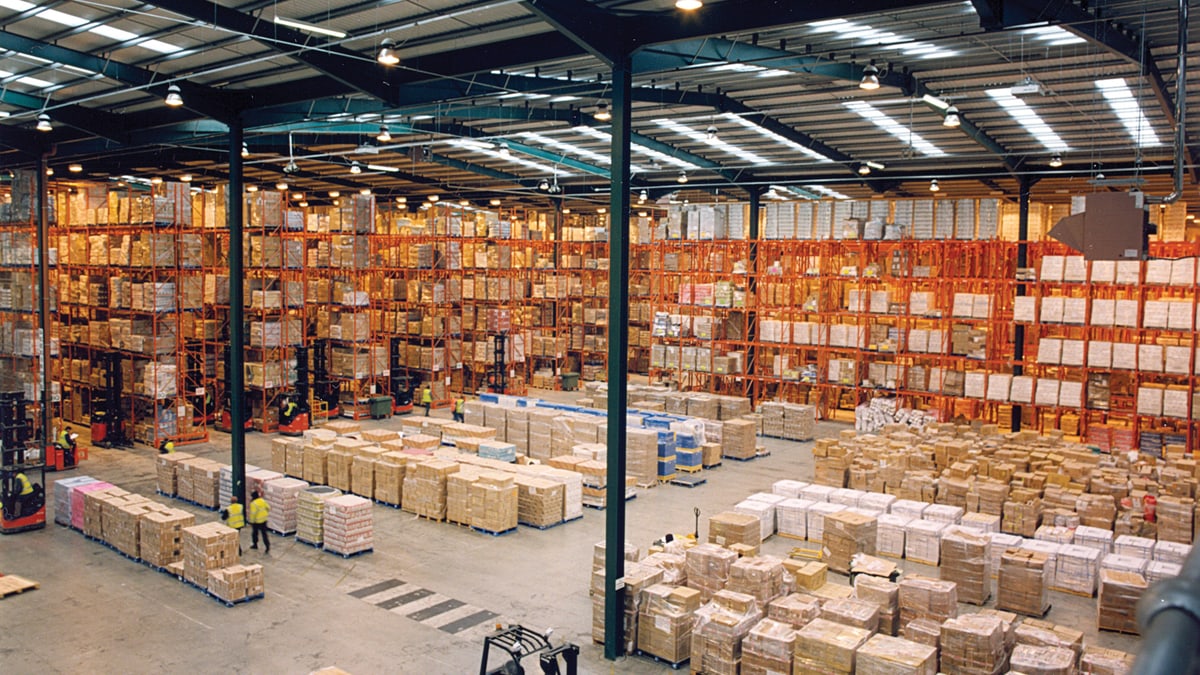
For LCL cargo, the warehouse measurement is important because LCL shipments from different shippers are consolidated into shared containers. Every shipment must be measured accurately before it is loaded with other cargo.
The warehouse will usually confirm:
- Number of cartons or pallets received
- Actual length, width, and height
- Gross weight
- Cargo condition at receiving
- Whether packaging is suitable for consolidation
This process protects both the buyer and the consolidator. It prevents under-reporting, but it also reduces the risk of overpaying based on an exaggerated estimate. If the warehouse record shows the cargo is smaller than the supplier's estimate, the final CBM should reflect the measured data.
When Overestimating CBM Can Cost You Money
There is one important exception: DDP special line shipments.
DDP special line services are often handled through private warehouse networks rather than the same type of customs-supervised LCL receiving process used for standard sea freight consolidation. Depending on how the service provider calculates billing, the volume you declare at the start may be used directly for the freight quotation or final charge.
If you provide 75 CBM to a DDP special line provider, but the real cargo is only 60 CBM, the provider may still calculate the freight from the 75 CBM figure if no later remeasurement is used. That can create unnecessary freight cost loss.
This does not mean all DDP special line services work the same way. It means buyers should be more careful before submitting estimated CBM for this model. You should ask how the provider verifies volume, whether warehouse measurement will override the original estimate, and which document becomes the billing basis.
Practical Example: 60 CBM Estimated as 70 to 75 CBM
Assume your supplier prepares a packing list and estimates the cargo at 70 to 75 CBM. Later, after actual packing or warehouse receiving, the cargo is confirmed at about 60 CBM.
For FCL shipping, this is usually acceptable if the container plan still makes sense. The container's physical capacity is fixed, and the cargo volume inside the container is what it is. If one 40HQ is already booked and the cargo fits, the overestimate by around 10 CBM generally does not create a separate volume charge.
For LCL shipping, the bonded warehouse or receiving warehouse should measure the cargo and provide the accurate CBM. The final documents can be prepared using that warehouse data. In normal LCL handling, the buyer should not be charged only because the supplier's early estimate was higher.
For DDP special line shipping, the same 10 to 15 CBM overestimate may matter. If the provider bills from the declared estimate and does not adjust after receiving, the buyer may pay more than necessary.
How to Avoid CBM Problems Before Shipment
The best approach is not to argue over every early estimate. Instead, control which data is used at each stage.
Before booking, ask your supplier for:
- Final carton quantity
- Outer carton dimensions
- Gross weight per carton or pallet
- Pallet dimensions if the cargo is palletized
- Photos of packed cargo if available
- Updated packing list after final packing
Then ask the forwarder or service provider:
- Will the cargo be remeasured at the warehouse?
- Which CBM figure will be used for billing?
- Can the final warehouse measurement override the supplier estimate?
- Is the shipment standard LCL, FCL, or DDP special line?
- Which data should be used for customs clearance documents?
These questions are simple, but they prevent many disputes. The key is to know whether the number is only for planning or whether it becomes the billing basis.
Document Handling: Use the Right CBM at the Right Time
For customs clearance, shipping documents should match the most reliable available data. If LCL cargo has already entered the customs-supervised warehouse and the warehouse has issued actual measurement details, that information should be used to prepare the clearance documents.
Do not rely on a rough supplier estimate when better warehouse data is available. At the same time, do not change documents casually without checking consistency across packing list, commercial invoice, booking details, and warehouse receiving records.
The practical workflow is:
- Use supplier CBM for initial planning
- Use warehouse measurement for LCL final documents
- Use container loading reality for FCL confirmation
- Confirm billing basis carefully for DDP special line
This keeps the shipment practical and avoids unnecessary confusion between estimate, measurement, and chargeable volume.
What Buyers Should Remember
Overestimating CBM is common because early packing data is usually prepared before final measurement. For normal container shipping, a moderate overestimate is usually manageable. For standard LCL, the warehouse measurement generally corrects the number before final shipment and document preparation.
The main caution is DDP special line shipping. Because some services may rely on the declared volume rather than a formal customs-supervised warehouse measurement, an inflated CBM can create extra freight cost. Before submitting a high estimate, confirm how the provider calculates the final charge.
A calm process works best: collect the supplier estimate, wait for reliable measurement where applicable, align documents with actual data, and confirm the billing rule before the cargo moves.
FAQ
Is it a problem if I overestimate my CBM volume?
Usually not. For FCL and standard LCL shipping, the final handling process normally clarifies the actual loaded or measured volume.
Will I pay more if my supplier overestimates CBM for LCL?
In standard LCL shipping, the warehouse usually remeasures the cargo after receiving it. The final CBM should be based on the warehouse record, not only the supplier estimate.
What happens if 60 CBM is estimated as 70 CBM for FCL?
If the cargo still ships in the planned container, the overestimate is generally not a separate cost issue. The container has fixed capacity, and the shipment is handled as a container move.
Why is DDP special line different?
Some DDP special line providers may calculate freight from the declared volume if no later verified measurement is used. An overestimate can therefore increase the charge.
Should I use the supplier's packing list for customs documents?
Use it for early planning, but if warehouse measurement data is available, especially for LCL, final clearance documents should follow the more accurate record.
How can I reduce CBM estimate errors?
Ask for final carton dimensions, package count, pallet details, gross weight, and updated packing lists after packing is complete.
Is CBM the same as chargeable volume?
Not always. CBM is physical volume. Chargeable volume depends on the shipping method, warehouse measurement, weight-volume rules, and provider billing policy.
What should I ask before booking DDP special line shipping?
Ask whether the provider remeasures the cargo, which CBM is used for billing, and whether the final warehouse data can replace the original estimate.