Skip to content

Disputes with a freight forwarder can disrupt inventory, cash flow, customer deliveries, and production schedules. For overseas buyers shipping from China, the first step is to identify the exact type of dispute. Cargo loss, cargo damage, insurance problems, and unexpected charges require different evidence and different solutions.
This guide explains a practical process for handling a freight forwarder dispute in China and protecting your position during negotiations.
Identify the Type of Dispute First
Do not begin with a general accusation. Define the problem in writing and separate the facts from assumptions. Most disputes fall into one or more of these categories:
- Cargo was lost, partially lost, or delivered to the wrong location.
- Cargo arrived damaged, wet, short, or with damaged packaging.
- A cargo insurance claim was rejected or could not be filed.
- The forwarder charged fees that were not clearly agreed in advance.
- The shipment was delayed because of missing documents, incorrect information, or poor communication.
- The forwarder refuses to provide tracking, transport, customs, or delivery records.
The correct dispute process depends on whether the issue concerns physical cargo, insurance coverage, service performance, or payment.
Build a Complete Evidence File
Before demanding compensation, collect all relevant documents and communication. A well-organized file makes negotiation more efficient and helps an association, insurer, lawyer, or court understand the matter.

Photo: Unsplash, Unsplash License, by Unsplash
Keep copies of:
- Commercial invoices, packing lists, purchase orders, and payment records.
- The freight quotation, service agreement, booking confirmation, and agreed terms.
- Bills of lading, air waybills, sea waybills, or other transport documents.
- Official tracking numbers and screenshots of tracking history.
- Warehouse receiving records, delivery records, and signed proof of delivery.
- Photos and videos showing damaged cargo and packaging.
- Inspection reports, shortage reports, and communication with the carrier.
- Emails, messages, and call summaries with the freight forwarder.
- A clear calculation of the claimed loss, including the affected goods and documented direct costs.
Write a timeline with dates: booking, pickup, warehouse receipt, departure, tracking updates, arrival, delivery, discovery of loss or damage, notice to the forwarder, and each response. Avoid changing the original files or relying only on verbal discussions.
Cargo Loss and Damage: Check Insurance First
When goods are lost or damaged, determine whether cargo transport insurance was purchased and whether the incident falls within the policy’s coverage. Insurance is not automatic merely because a freight forwarder arranged transportation.

Photo: Unsplash, Unsplash License, by Unsplash
In many international shipments, the buyer, consignee, or cargo owner should purchase cargo transport insurance directly or ensure that the responsible party has arranged it under clearly documented terms. The buyer should confirm:
- Who is named as the insured party.
- Which goods, routes, and transport modes are covered.
- The insured value and applicable deductible.
- Whether theft, water damage, breakage, delay, or other risks are included or excluded.
- The required claim notice period.
- The documents and transport evidence required by the insurer.
A forwarder’s responsibility is often to arrange transportation and provide accurate shipment information. It should provide the correct, official transport or tracking number that supports shipment identification and insurance underwriting or claims handling.
If the forwarder provides an incorrect number, an unofficial reference, or no valid tracking number, the insurer may be unable to verify the shipment or accept coverage. If the shipment could not be properly insured because the forwarder failed to provide the correct official transport number or required information, the resulting loss may become a responsibility issue for the forwarder. The exact outcome depends on the agreement, the forwarder’s documented duty, the insurance terms, and the evidence available.
For this reason, request the official number at the beginning of the shipment, not only after a problem occurs.
What to Do After Damage Is Discovered
Notify the forwarder and insurer promptly. Do not discard damaged packaging, repair the goods, or allow the cargo to be resold before the insurer or appointed surveyor has had a reasonable opportunity to inspect it.
Ask for written confirmation of:
- The location and status of the cargo.
- The carrier’s incident or shortage report.
- The delivery and inspection records.
- The claim procedure and required documents.
- The name of the party responsible for the next investigation step.
If the loss is visible at delivery, record exceptions on the delivery receipt before signing. If concealed damage is discovered later, photograph the unopened or minimally disturbed packaging and notify the relevant parties immediately.
Fee Disputes: Compare the Charge With the Agreement
Unexpected freight charges are a common source of conflict. A forwarder may refer to destination handling, storage, customs-related costs, inspection, documentation, demurrage, detention, fuel adjustments, or other local charges. The issue is not always whether a charge exists; it is whether the charge was disclosed, authorized, and calculated correctly.
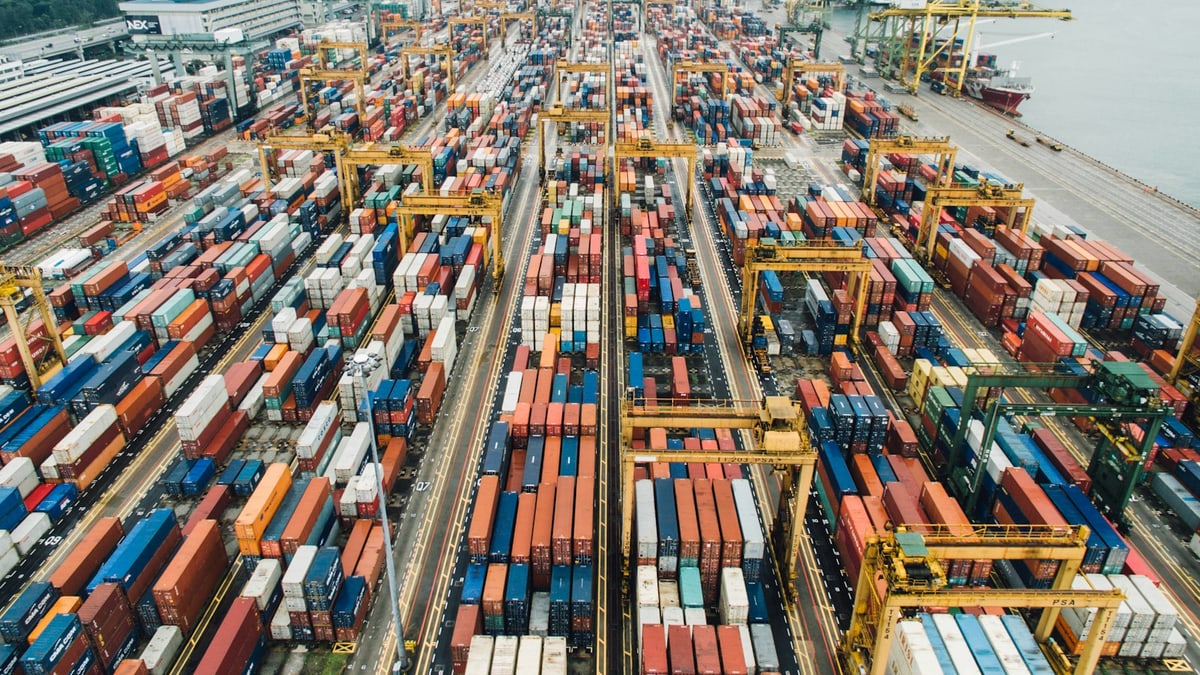
Photo: Unsplash, Unsplash License, by Unsplash
Ask the forwarder to provide an itemized statement showing:
- The name and basis of each charge.
- The shipment, container, package, or document to which it relates.
- The date and period used for any storage or time-based fee.
- Supporting invoices, receipts, or carrier notices where relevant.
- Any credit, refund, or adjustment already applied.
Compare the statement with the original quotation and written messages. If a fee was clearly excluded from the quotation, ask when and how it was disclosed. If a fee was caused by the forwarder’s error, such as incorrect documents, missed instructions, or failure to communicate a deadline, explain the connection and request a correction.
Keep undisputed amounts separate from disputed amounts. This can help maintain operational continuity while both sides review the contested items, but obtain professional advice before withholding payment where a contract, lien, or cargo release issue may apply.
Use an International Freight Forwarding Association
When direct negotiation fails, buyers may consider whether the forwarder belongs to a recognized international freight forwarding association, such as WCA or another relevant organization. Membership should be verified independently using the association’s official records and the exact legal identity of the forwarder.
Many recognized associations require members to provide financial security, deposits, or other guarantees as part of their membership requirements. These arrangements may help support dispute handling, but they should not be treated as an automatic insurance policy or guaranteed reimbursement.
If the forwarder is a member, review the association’s complaint rules and submit a focused case file. Include:
- The member’s legal name and membership information.
- A short statement of the dispute.
- The agreed service and amount in question.
- The timeline and key evidence.
- The remedy requested, such as payment, a fee correction, document release, or cooperation with an insurance claim.
- Proof that you attempted to resolve the matter directly.
An association may coordinate communication, encourage settlement, or apply its own membership procedures. Its authority and available remedies depend on its rules and the member’s status. A complaint can still be useful because it creates an independent record and may encourage faster engagement.
Send a Formal Written Notice
If discussions remain unresolved, send a formal notice by email and any other contractually recognized method. State the shipment reference, the facts, the documents attached, the amount or action requested, and a reasonable response deadline.
Use calm, precise language. Avoid threats, exaggerated claims, or statements that cannot be supported. Ask the forwarder to preserve shipment records, tracking data, warehouse records, and communications. If the dispute involves a significant commercial loss, consult a qualified lawyer familiar with the relevant contract and jurisdiction before escalating further.
Prevent Future Disputes
Prevention begins before booking. Ask the forwarder to confirm, in writing:
- The legal entity contracting with your company.
- The full scope of service and included or excluded charges.
- The carrier, route, transport mode, and official tracking document.
- Who is responsible for cargo insurance and claim notices.
- Required shipping documents and communication deadlines.
- How delays, loss, damage, storage, and unexpected costs will be handled.
Choose partners whose identity, documentation, association membership, and communication process can be verified. Store every quotation and instruction in one shipment folder. These simple controls give importers, Amazon sellers, procurement teams, and industrial buyers a stronger position when a problem occurs.
Conclusion
Handling a freight forwarder dispute in China starts with classification and evidence. For lost or damaged cargo, check insurance coverage and the insurer’s documentation requirements. Confirm that the forwarder supplied the correct official transport number, especially where that information is needed for underwriting or claims processing. For fee disputes, compare every charge with the written quotation and request supporting records.
If direct negotiation fails, a verified association membership may provide another channel for coordination. A clear timeline, complete documents, and a specific remedy will usually produce a better result than pressure without evidence.
FAQ
Who should purchase cargo transport insurance?
The buyer, consignee, or cargo owner should confirm and arrange coverage unless the contract clearly assigns this responsibility to another party.
Is a freight forwarder automatically liable for lost cargo?
Not automatically. Liability depends on the agreement, the forwarder’s role, applicable transport terms, evidence, and whether insurance or carrier liability applies.
Why is the official tracking number important?
It helps identify the shipment and may be required by the insurer to verify transport details, underwriting eligibility, or claim evidence.
What if the forwarder gives an incorrect tracking number?
Request the correct official number in writing and document the problem. If the error prevents valid insurance coverage and causes a loss, it may become part of a claim against the forwarder, subject to the contract and evidence.
Can WCA help with a freight forwarder dispute in China?
If the forwarder is a verified member, the association may coordinate communication or apply its membership procedures. Available remedies depend on its rules.
Should I refuse to pay a disputed invoice?
Separate disputed and undisputed amounts, but obtain professional advice before withholding payment because contracts may allow liens, cargo holds, or other remedies.
What evidence is most useful in a dispute?
The quotation, transport documents, official tracking records, delivery records, damage photos, invoices, payment proof, and complete written communication are especially useful.
When should I seek legal advice?
Seek advice when the loss is substantial, cargo is being withheld, deadlines may expire, or the contract and applicable jurisdiction are unclear.