Skip to content
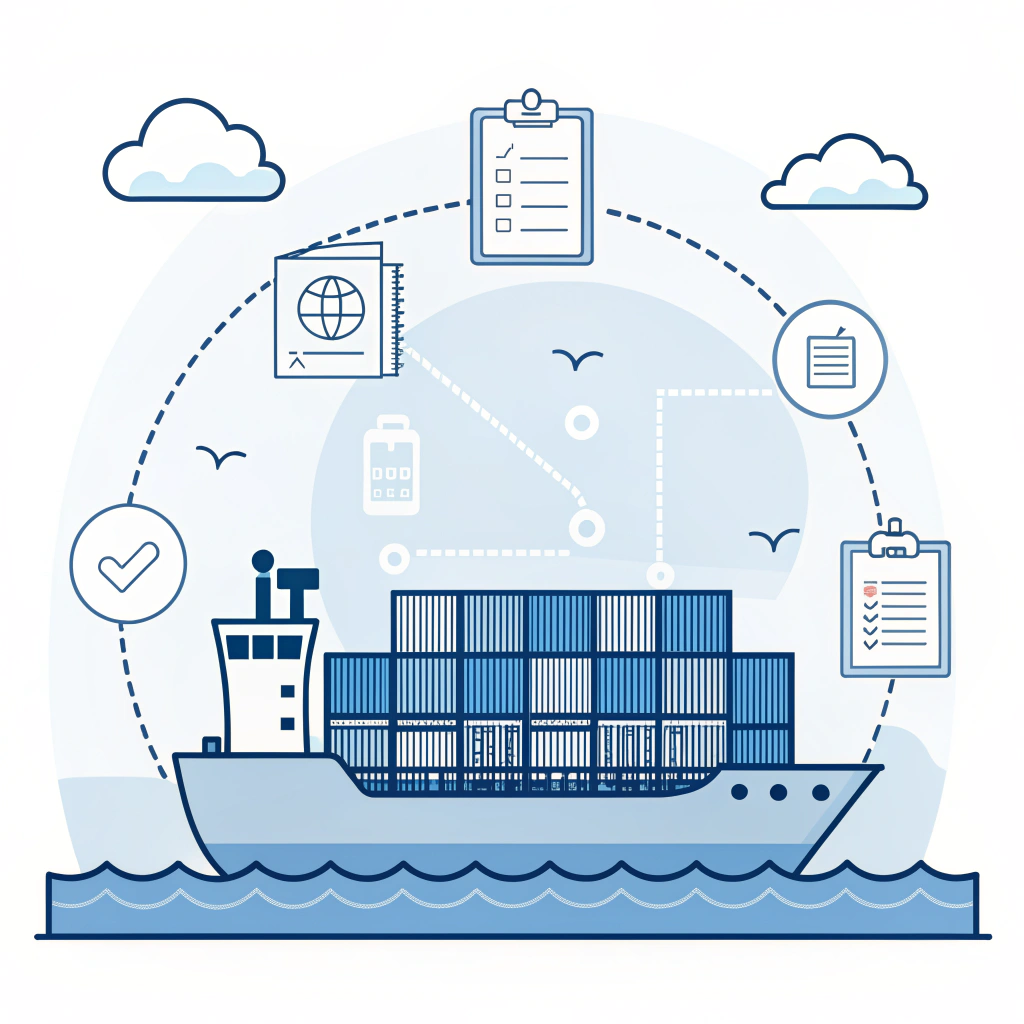
A Bill of Lading (BOL)1 is a crucial document in international freight forwarding, serving as the legal contract between the shipper and the carrier, a receipt for goods shipped, and a document of title which enables cargo ownership transfer. It ensures the shipment terms are clearly defined and that all parties—from exporters in China to importers worldwide—operate without risk of misunderstandings or delays.
Understanding how a Bill of Lading functions, its types, and responsibilities tied to it is essential for supply chain2 and logistics professionals managing global shipments. This guide breaks down the Bill of Lading in a simple, practical manner, aiding freight forwarders and import/export businesses in streamlining documentation and safeguarding their shipments.
A Bill of Lading is a written document issued by a carrier3 (such as a shipping line or freight forwarder) to a shipper. It confirms that goods have been received on board the vessel or transport vehicle and outlines the terms under which the cargo will be transported. It simultaneously acts as:
- A contract of carriage — defining the responsibilities and liabilities of both shipper and carrier.
- A receipt of goods — proving that the carrier has taken possession of the shipment described.
- A document of title — entitling the holder to claim ownership of the goods shipped.
This multi-functionality makes the Bill of Lading a legally binding document essential in international trade.
- Names and addresses of the shipper, carrier, and consignee.
- Description of the goods (type, weight, quantity, packaging).
- Details of the vessel or transport means.
- Ports of loading and discharge.
- Terms and conditions of shipment.
- Signature of the carrier or its agent.
Each piece of information helps customs, carriers, and buyers verify and process shipments efficiently, reducing risk and confusion.
Understanding different Bills of Lading types4 is important, as each type has unique characteristics affecting shipment control, transfer, and release.
| Type | Description | Key Role | Use Case |
|---|---|---|---|
| Straight BOL | Non-negotiable; consigned to a specific consignee only | Proof of delivery to specific party | Direct shipments with trusted parties |
| Order BOL (Negotiable) | Can be transferred by endorsement, allowing sale/transfer of goods in transit | Transfer of ownership while goods are shipped | International trade & financing |
| Sea Waybill | Non-negotiable; carrier issues it instead of BOL for faster release | Quicker cargo pick-up; no transfer of ownership | Time-sensitive shipments |
| House BOL | Issued by freight forwarders to consolidate multiple shipments | Details sub-shipments in forwarding operations | Consolidated shipments from multiple suppliers |
| Master BOL | Issued by the main ocean carrier to the freight forwarder | Covers the full container shipment | Containerized international shipping |
These distinctions impact documentation handling and liabilities. For example, an Order Bill of Lading allows flexibility as it can act similarly to a tradeable asset, which is often useful in financing or selling goods before arrival.
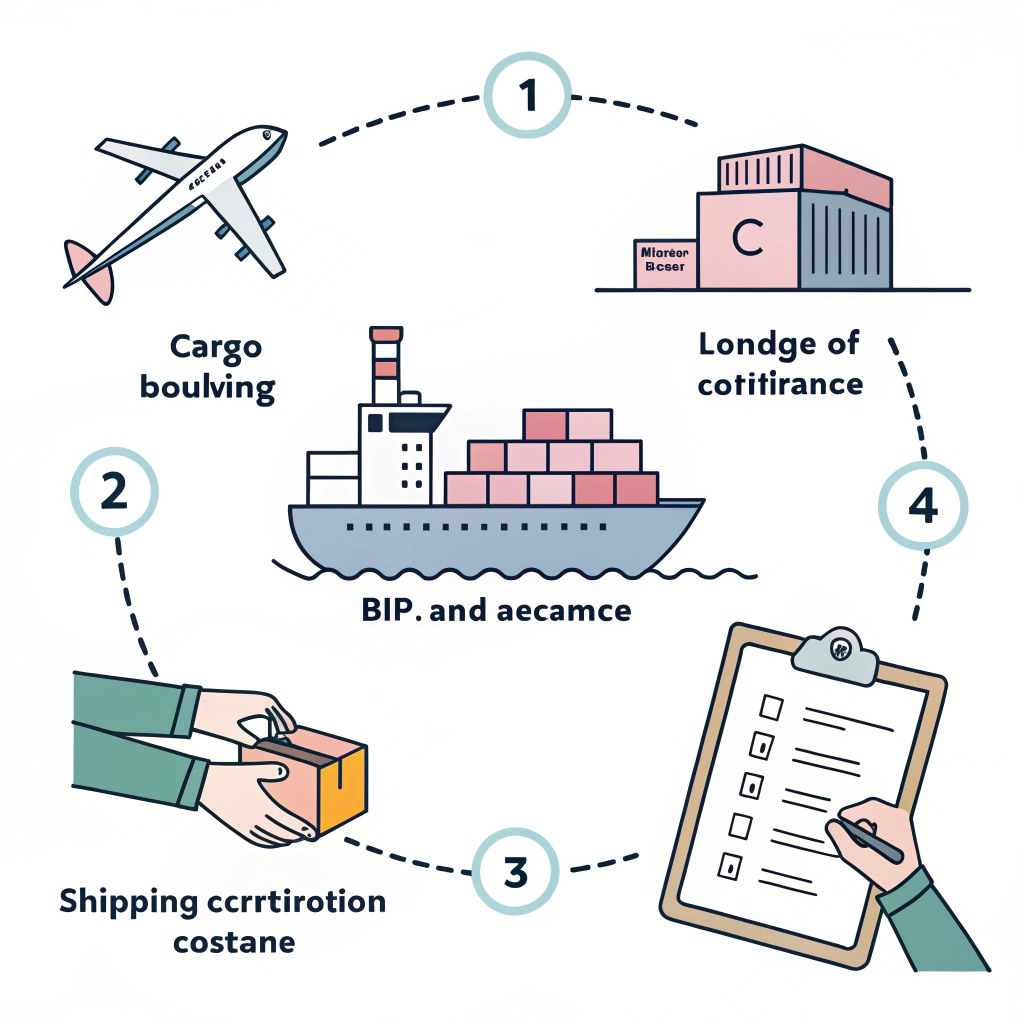
-
Shipment Booking and Cargo Delivery
The shipper provides cargo details to the freight forwarder or carrier, who then issues the Bill of Lading based on these details once the cargo is loaded. -
Carrier Receives Goods and Issues BOL
Upon receiving the cargo, the carrier confirms quantity and condition, then issues the Bill of Lading to the shipper or their representative. This document confirms the carrier's responsibility to deliver the goods as agreed. -
Transport and Customs Clearance
The Bill of Lading accompanies the shipment throughout transport modes and is necessary for customs clearance5 at import and export points. Customs officials use the document to verify shipment legitimacy and contents. -
Cargo Release and Ownership Transfer
At the destination, the consignee presents the Bill of Lading or its equivalent to the carrier or agent to claim the cargo. For negotiable BOLs, endorsement may transfer ownership before cargo arrival.
The entire freight forwarding process depends on the accuracy and proper handling of the Bill of Lading. Errors in the document can delay shipments, cause customs holds, or result in cargo release issues.
- The exporter contracts a freight forwarder.
- Freight forwarder books space on a vessel and receives cargo.
- A Master BOL is issued by the shipping line covering the full container.
- A House BOL is issued to the exporter for the individual cargo shipment consolidated in that container.
- Once the container reaches Los Angeles, the consignee presents the appropriate BOL to clear customs and collect cargo.
- A buyer in Europe agrees to purchase furniture from a Chinese supplier.
- They negotiate payment via a letter of credit.
- The supplier ships goods, receives an Order Bill of Lading.
- The bill is sent to a bank as collateral to ensure payment security.
- This negotiable BOL allows transfer of ownership and protects all parties.
These examples show how the Bill of Lading supports freight forwarders’ operational and financial roles.
| Consideration | Explanation |
|---|---|
| Accuracy of shipment details | Incorrect data can delay customs clearance |
| Timely issuance | Delays in issuing BOL can postpone cargo release |
| Type of Bill of Lading used | Impacts legal rights, transferability, and cargo control |
| Difference between Bill of Lading and other docs | Documents like Forwarder’s Cargo Receipt (FCR) are not replacements and lack legal contract status |
| Liabilities and claims clauses | Terms in BOL determine carrier’s responsibility for loss or damage |
Freight forwarders must ensure BOLs are precise and appropriate for the cargo and trade terms. Misuse or misunderstanding of a Bill of Lading can result in financial losses or shipment delays.
The Bill of Lading is the backbone of international freight forwarding, essential for documenting, transporting, and transferring goods worldwide. For logistics and supply chain professionals handling shipments from China or anywhere globally, understanding its function, types, and proper use mitigates risks and streamlines operations.
Key actions to consider:
- Always verify the Bill of Lading details before shipment.
- Choose the appropriate BOL type for your transaction needs.
- Collaborate closely with freight forwarders to clarify document handling.
- Remember that the Bill of Lading is more than a receipt; it is a legal contract and document of title.
- Ensure prompt issuance and proper custody of the BOL to avoid shipment release delays.
By mastering the Bill of Lading's role in your supply chain, you gain greater control, transparency, and confidence in your international freight forwarding process.
What is the guide to the bill of lading?
A Bill of Lading is a critical shipping document issued by a carrier to a shipper, serving as a receipt of goods, a contract outlining carriage terms, and a document of title. It confirms the carrier has received the cargo and sets the legal framework for the shipment.
What is the difference between FCR and BL?
An FCR (Forwarder’s Cargo Receipt) functions similarly to a Bill of Lading but only serves as a receipt for cargo held by a freight forwarder. It does not act as a contract of carriage or a document of title, so it cannot replace a Bill of Lading in legal or ownership transactions.
What is a bill of lading for dummies?
In simple terms, a Bill of Lading is a document that acts as a contract between the cargo shipper and the carrier, a receipt acknowledging the goods shipped, and a document proving ownership of those goods. It ensures all parties agree on the shipment terms and the carrier accepts responsibility for transporting the cargo.
-
Bill of Lading (BOL): Learn about this essential shipping document that serves legal, receipt, and ownership purposes, crucial for understanding international freight contracts and cargo control. ↩ ↩
-
Supply Chain: Understand how supply chain management integrates logistics, transportation, and documentation to ensure smooth global trade, improving efficiency and reducing risks. ↩ ↩
-
Carrier: Read about the role of carriers, including shipping lines and freight forwarders, responsible for transporting goods and issuing key documents like the Bill of Lading. ↩ ↩
-
Bills of Lading types: Explore the different forms of Bills of Lading, their negotiability, and how they affect shipment control and financial transactions in global shipping. ↩ ↩
-
Customs Clearance: Delve into customs processes and how the Bill of Lading facilitates legal import/export, ensuring compliance and preventing shipment delays. ↩ ↩