Skip to content
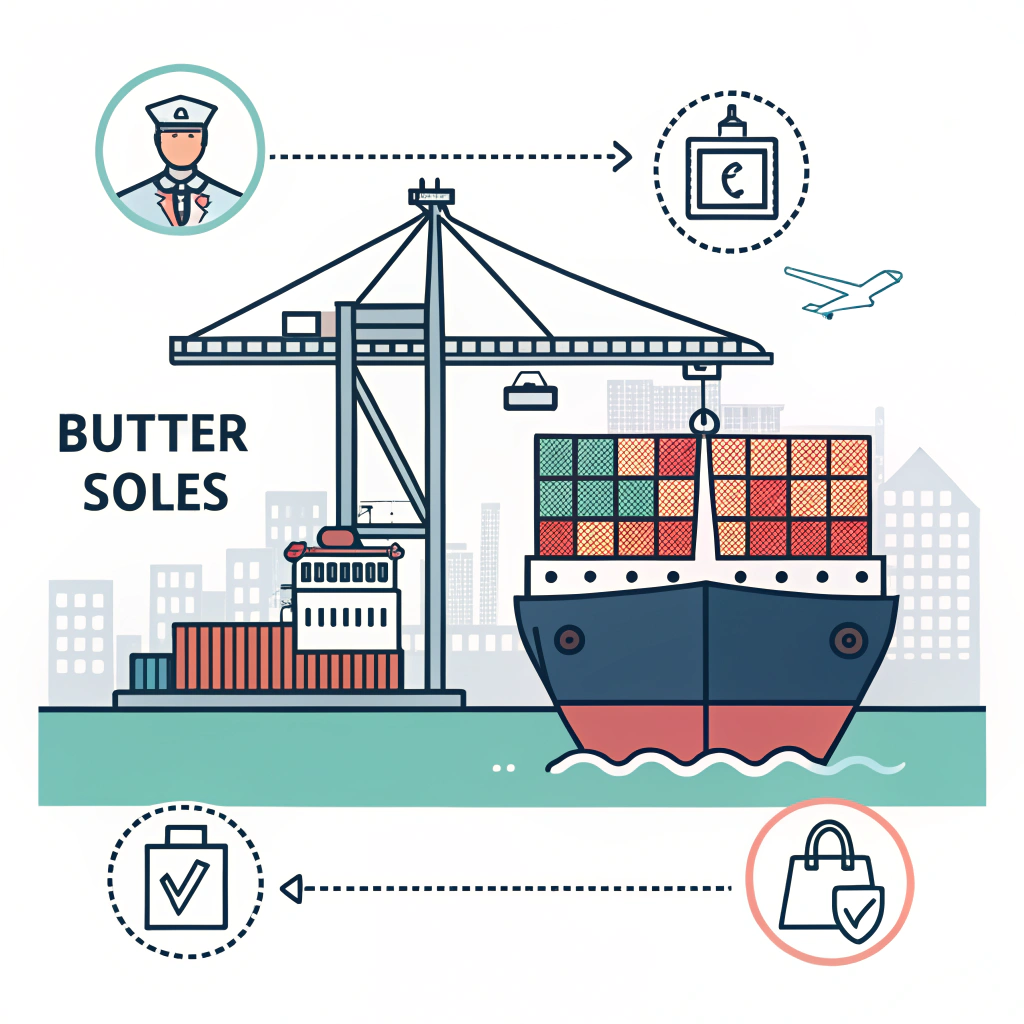
CFR, or Cost and Freight1, is a widely used Incoterm in international ocean shipping. Under CFR terms, the seller is responsible for all costs and freight charges needed to bring the goods to the destination port, but the risk transfers to the buyer once the goods cross the ship’s rail at the port of shipment2. This means buyers need to clearly understand their responsibilities around risk, customs clearance, and inland delivery costs, despite the seller paying for freight. Properly managing these distinctions helps buyers avoid unexpected expenses and optimize their global supply chain execution.
CFR1 applies exclusively to sea and inland waterway transport3, defining key responsibilities for seller and buyer:
| Responsibility | Seller (Exporting Party) | Buyer (Importing Party) |
|---|---|---|
| Export customs clearance | Required | Not required |
| Cost of freight to port | Paid by seller | Not paid by buyer |
| Risk transfer | At ship’s rail in port of shipment | From ship’s rail onwards |
| Insurance | Optional for seller | Buyer’s responsibility if desired |
| Import customs clearance | Not required | Buyer’s responsibility |
| Inland transport (import side) | Not required | Buyer |
The seller must contract and pay for transport to the agreed destination port and deliver goods alongside the ship at the port of shipment4. However, the buyer accepts the risk once goods are loaded and assumes responsibility afterward, including unloading, import customs, taxes, and inland delivery.
This clear delimitation between cost-bearing and risk-bearing5 roles is crucial for a buyer to plan logistics and financial exposure effectively.
While the seller pays freight charges, risk shifts to the buyer once the goods cross the ship’s rail at the port of origin. This means the buyer is exposed to any loss or damage during the sea voyage. The buyer must arrange insurance coverage if risk protection during transit is desired—unlike under CIF (Cost, Insurance, and Freight) where the seller covers insurance.
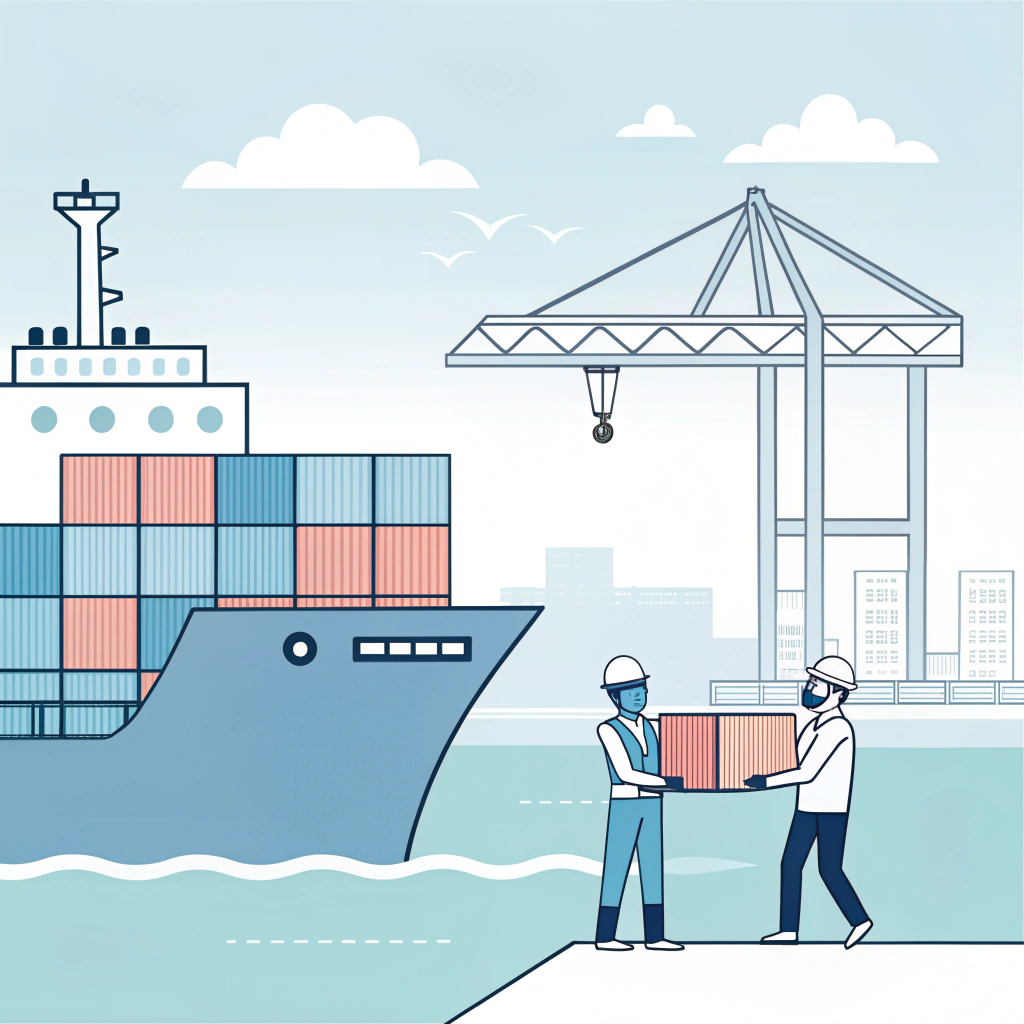
Under CFR, the buyer handles all import customs clearance, including duties, local taxes, and documentation. Failure to prepare or understand these obligations can cause costly delays or fines at the destination port, impacting total landed cost and delivery times.
Once goods arrive at the destination port, buyers take over responsibility for:
- Unloading cargo from the ship
- Inland trucking or distribution
- Warehousing or storage fees in the destination country
These post-arrival logistics should be budgeted carefully by buyers, as sellers do not include these in the freight charges paid.
| Aspect | CFR | CIF | FOB (Free on Board) |
|---|---|---|---|
| Seller pays freight | Yes | Yes | No |
| Seller pays insurance | No | Yes | No |
| Risk transfer point | When goods cross ship’s rail | When goods cross ship’s rail | When goods cross ship’s rail |
| Export customs | Seller responsible | Seller responsible | Seller responsible |
| Import customs | Buyer responsible | Buyer responsible | Buyer responsible |
| Unloading at destination | Buyer responsible | Buyer responsible | Buyer responsible |
| Inland transport (import) | Buyer responsible | Buyer responsible | Buyer responsible |
CFR reduces initial freight cost management for the buyer but places the burden of maritime risk and destination handling squarely on the buyer. Choosing between CFR and other terms depends on buyers’ risk tolerance, insurance preferences, and logistics capabilities.

- Arrange adequate marine insurance separately to protect against sea transit risks.
- Prepare import customs documentation well in advance to avoid clearance delays.
- Coordinate with freight forwarders for inland handling and delivery at destination ports.
- Budget for unloading and inland transport expenses not covered by the seller.
- Closely communicate with sellers about delivery schedules and freight terms for precise timing.
Proactive planning reduces hidden costs and streamlines operations with CFR shipping.
A US-based electronics manufacturer sources components from a Chinese supplier under CFR Los Angeles terms:
- Seller ships goods to LA port and pays sea freight.
- Risk transfers to the buyer as containers are loaded at Shanghai.
- Buyer arranges marine insurance through their 3PL provider.
- Buyer manages US customs clearance, pays duties and taxes.
- Buyer contracts trucking from LA port to their warehouse.
By understanding CFR roles, the buyer avoids surprise fees from customs, controls inland delivery timely, and secures insurance coverage independently.
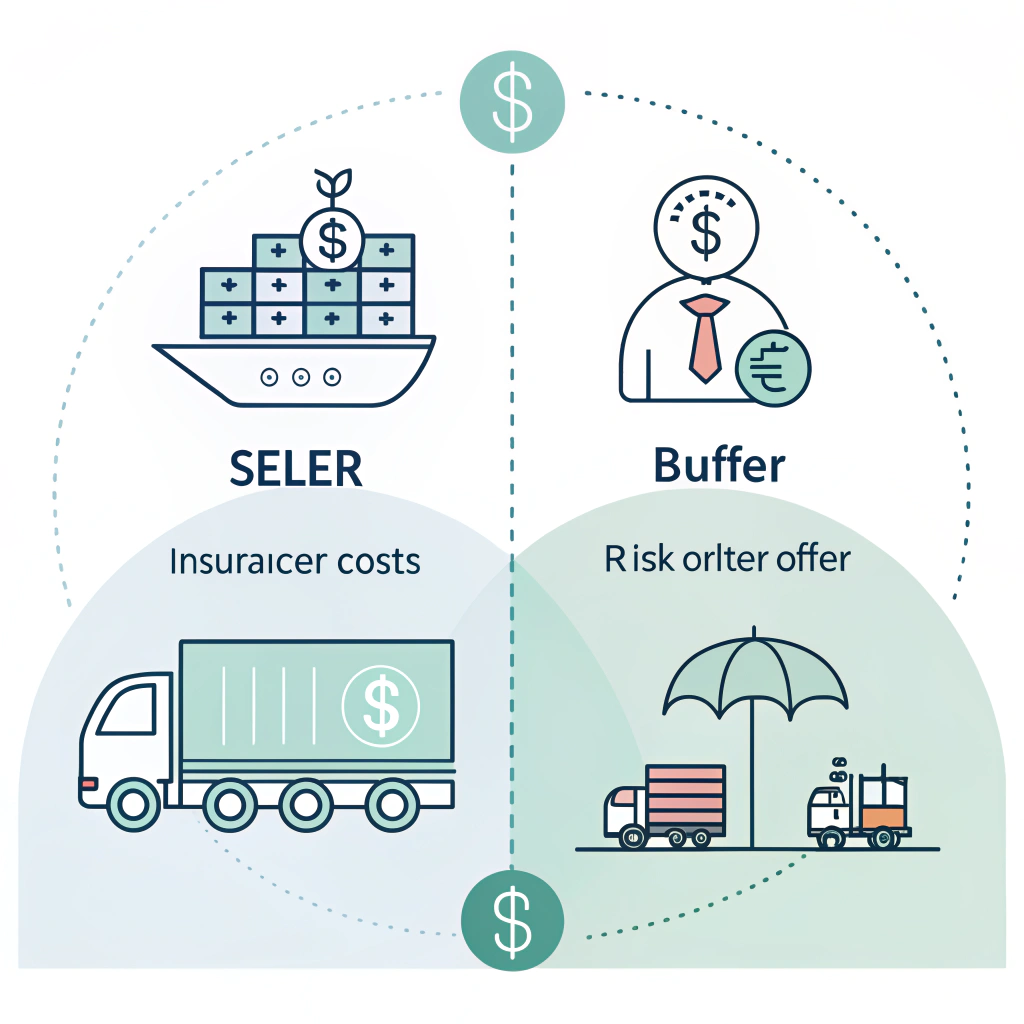
CFR Incoterms clearly separate cost and risk, with sellers paying ocean freight but buyers assuming risk from shipment port. Buyers must plan for marine insurance, import clearance, and inland logistics costs that fall outside seller obligations. Understanding this split allows procurement and logistics professionals to optimize expenses, negotiate contracts confidently, and reduce surprises in international shipments.
When negotiating CFR contracts, buyers should:
- Confirm exact delivery ports and dates.
- Clarify freight cost breakdowns with sellers.
- Arrange independent insurance if needed.
- Prepare for customs and inland transportation.
- Partner with freight forwarders experienced in CFR shipments.
Ultimately, CFR is a strategic Incoterm choice balancing seller freight responsibility and buyer risk management in ocean freight shipments.
What is CFR Cost and Freight?
CFR (Cost and Freight) is an Incoterm specific to ocean shipping where the seller pays all costs and freight necessary to bring goods to the named destination port. However, risk transfers from seller to buyer once goods are loaded onto the ship at the origin port.
How does the C rule in Incoterms typically handle responsibility costs and risks for cargo movements?
Under CFR, which is a “C” rule, the seller is responsible for export customs clearance and freight costs to the destination port, but the risk of loss or damage transfers to the buyer once goods are loaded aboard the vessel. The buyer then handles import customs and inland delivery.
Is the buyer responsible for the freight costs?
Under CFR, the buyer is not responsible for sea freight charges—the seller pays these. However, the buyer bears the risk after loading, and is responsible for import duties, unloading, and inland transport costs after arrival at the destination port.
-
Cost and Freight: Reading about Cost and Freight helps buyers understand how costs are allocated between sellers and buyers in international shipments, clarifying payment responsibilities and delivery terms.
↩ Back to Cost and Freight ↩ ↩2 -
Risk transfers to the buyer once the goods cross the ship’s rail at the port of shipment: Learning about risk transfer points enables buyers to know exactly when the liability shifts from seller to buyer, which is vital for managing insurance and handling responsibilities.
↩ Back to risk transfers ↩ -
Sea and inland waterway transport: Understanding this mode differentiates CFR applicability from other Incoterms that cover air or land transport, helping buyers select appropriate shipping terms.
↩ Back to sea and inland waterway transport ↩ -
Port of shipment: Diving deeper into this concept clarifies the shipping process phases, risk points, and cost draw lines, aiding better planning and contract negotiation.
↩ Back to port of shipment ↩ -
Cost-bearing and risk-bearing: Exploring these concepts informs buyers how to balance financial and operational responsibility, critical to supply chain risk management and cost control.
↩ Back to cost-bearing and risk-bearing ↩