Skip to content
Quick Answer: If BlackRock proceeds with selling Canal‑adjacent infrastructure interests and China‑linked investors seek exposure, the Panama Canal’s governance won’t change—the Canal remains run by the Panama Canal Authority (ACP)1. But financing and concession reshuffles could still affect shippers via tighter capacity management, higher canal transit fees, and heightened geopolitical scrutiny. Expect potential 5–15% toll pressure over the next 6–18 months, sporadic slot scarcity, and routing volatility. Prepare with diversified services (Panama/Suez/USWC land bridge), contract clauses for toll pass‑throughs, and buffer inventory on East Coast flows.
The headline vs. operational reality: what exactly could change
- The ACP retains sovereignty and operational control of the Canal; there is no private “ownership” of the Canal itself. Any “sale” tied to BlackRock would likely involve stakes in Canal‑adjacent or Canal‑exposed infrastructure (e.g., logistics parks, rail, terminals) or financing vehicles connected to Canal economics—not the ACP.
- “China seeks a stake” typically means Chinese state‑linked or private investors expressing interest in port concessions, logistics hubs, or financing partnerships in Panama—areas that can indirectly influence throughput, priority, or ecosystem pricing but not ACP governance.
- The operational translation for shippers: different capital owners can change risk appetite, return expectations, and negotiation posture across concessions and services around the Canal, subtly shaping slot access, landside transshipment, and the total cost of using the Panama route.
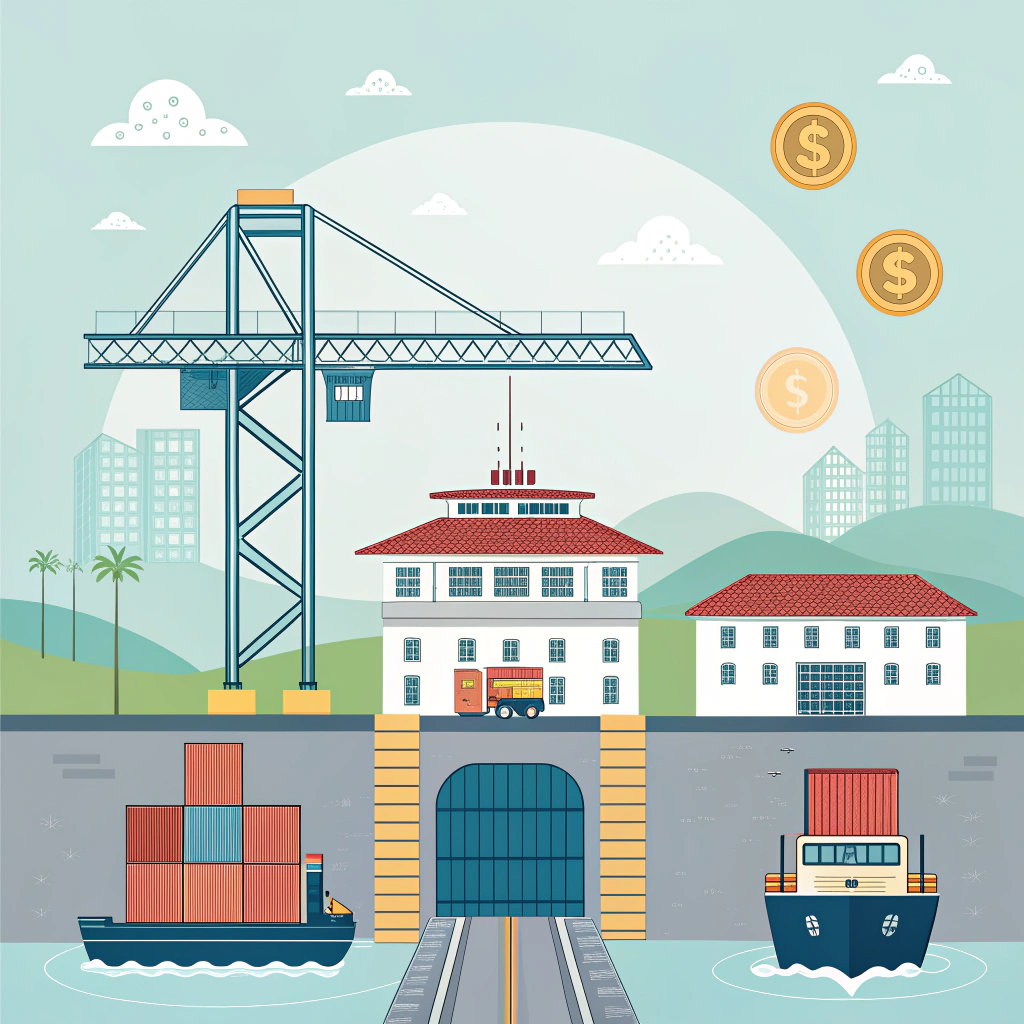
Operational levers that may be touched by capital reshuffles
- Panama Canal ownership is not changing, but adjacent actors can shape shipper outcomes through the following levers:
| Potential lever | How it touches operations | Possible shipper impact |
|---|---|---|
| Toll policy pressure | Investors pushing for higher ROI across Canal‑adjacent assets can amplify industry tolerance for ACP toll increases | Higher canal transit fees, new surcharges, fuel/toll pass‑through activation |
| Slot auctions2 & capacity management | When demand tightens (e.g., drought), slot auctions spike; concession holders and carriers react strategically | Premiums for guaranteed transits; reduced allocation to lower‑yield cargo |
| Transshipment terminal pricing | Changes to terminal fees, storage, and handling | Per‑box terminal cost creep; demurrage risk if congestion returns |
| Water security projects financing | Capital structure of water reservoirs/efficiency projects influences timing | Short‑term constraints vs. long‑term stability of transits per day |
| Regulatory scrutiny (US–China) | Deals can trigger reviews or political conditions | Compliance steps, documentation overhead, insurance queries |
| Carriers’ network design | Cost and reliability shifts alter sailing strings | Carrier schedule reliability volatility, service blankings |
What matters more than headlines: structural drivers of risk
- Hydrology and climate: Gatun Lake levels determine daily transits. Droughts in 2023–2024 drove deep draft limits and queueing. Even with improvement, water variability remains a core capacity risk.
- Toll trajectories: The ACP has moved toward demand‑based pricing; if financing costs stay elevated and infrastructure needs grow, toll increments are plausible.
- Geopolitics: Heightened US‑China competition increases diligence on concessions, procurement, and data flows. Even when deals proceed, approvals can add time and conditions.
- Carrier economics: Elevated bunker fuel (e.g., VLSFO) and emissions costs (e.g., EU ETS3 on EU legs) push carriers to reoptimize strings, sometimes away from riskier chokepoints.
- Local politics: Panama’s policy stance and public opinion on water projects can affect the speed of capacity expansions and fee structures.
Scenario planning for shippers: quantify before you trigger Plan B
Below are indicative scenarios and their likely operational signatures. These are planning ranges, not forecasts, to inform supply chain contingency planning and freight contract renegotiation.
- Baseline stabilization (most probable near term)
- Capacity: Transits trend back toward historical norms with seasonal variation.
- Toll impact: +3–7% over 12 months as ACP balances cost recovery and demand.
- Queue/slot risk: Manageable; auctions remain but at moderated levels.
- Transit time impact: ±0–2 days vs. schedule for all‑water Asia–USEC.
- Insurance: Minor adjustments; typical cargo rate loads; war‑risk not applicable.
- Net effect: Stable services; limited GRIs; modest toll pass‑throughs of $50–$150/FEU on Asia–USEC all‑water.
- Moderate disruption (capital changes plus water tightness)
- Capacity: Intermittent draft limits reduce daily transits.
- Toll impact: +8–15% plus selective surcharges or auction premiums.
- Queue/slot risk: Priority slots command high premiums; some low‑priority cargo pushed to later windows.
- Transit time impact: +3–6 days; reliability dips.
- Insurance: Slight premium for delay‑related exposures; carriers may add congestion surcharges.
- Net effect: All‑in increases of $150–$400/FEU for Asia–USEC; more rollovers.
- Severe geopolitics + hydrology stress (low probability, high impact)
- Capacity: Prolonged draft constraints; auctions spike.
- Toll impact: +15–25% effective (base + auction premiums).
- Queue/slot risk: Tight; carriers redeploy to Suez or USWC land bridge.
- Transit time impact: +7–12 days if waiting; reroutes add 4–10 days depending on lane.
- Insurance: Political risk scrutiny increases; some cargoes face added clauses or routing restrictions.
- Net effect: Rate spikes and heavy surcharges; schedule reliability materially impaired.
How costs flow to your P&L: from tolls to per‑container rates
- A representative New Panamax4 container ship (≈10,000 TEU capacity) facing a $200,000 per‑transit toll and fee increase translates to about $20/TEU before allocation, utilization, and margin. In practice, carriers recover more per laden unit due to empties, partial loads, and risk premiums.
- In previous congestion cycles, effective pass‑through has often reached $100–$300/FEU for Asia–USEC when auctions and delays bite—especially on low‑commitment spot cargo.
- Fuel and time: Rerouting via Suez (Asia–USEC) adds roughly 4–7 sailing days; via Cape when Suez risk rises adds 10+ days. At VLSFO $600–$750/mt, extra steaming days can add $200–$600/FEU depending on vessel size and speed. These fuel deltas can outweigh modest toll changes.
Route decision matrix: Asia to US East Coast and Gulf
Use this to benchmark trade‑offs if Canal conditions or capital changes worsen.
| Route | Typical transit time (port‑to‑port) | Reliability risk | Cost drivers | Notes |
|---|---|---|---|---|
| Panama all‑water | 26–30 days (South China–USEC) | Hydrology, tolls, auctions | Tolls, slot premiums | Shortest path in steady state; watch draft advisories |
| Suez all‑water | 30–35 days | Security/geopolitics in Red Sea | Fuel/time, canal fees | Useful when Panama tight; risk if Red Sea tensions flare |
| USWC + rail (land bridge) | 15–20 days to USWC + 7–10 days inland | USWC port/rail congestion | Intermodal rates, IPI capacity | Best for time‑sensitive cargo; transload to 53' can cut inland cost |
| Mexico land bridge (Lázaro Cárdenas/Manzanillo) | 20–22 days + 6–9 days inland to US Midwest/East | Border/inland capacity | Cross‑border dray/rail | Growing alternative when USWC tight |
| US Gulf all‑water via Panama | 28–33 days | Same as Panama | Tolls + Gulf port capacity | Option for cargo destined to TX/LA/MS/AL |
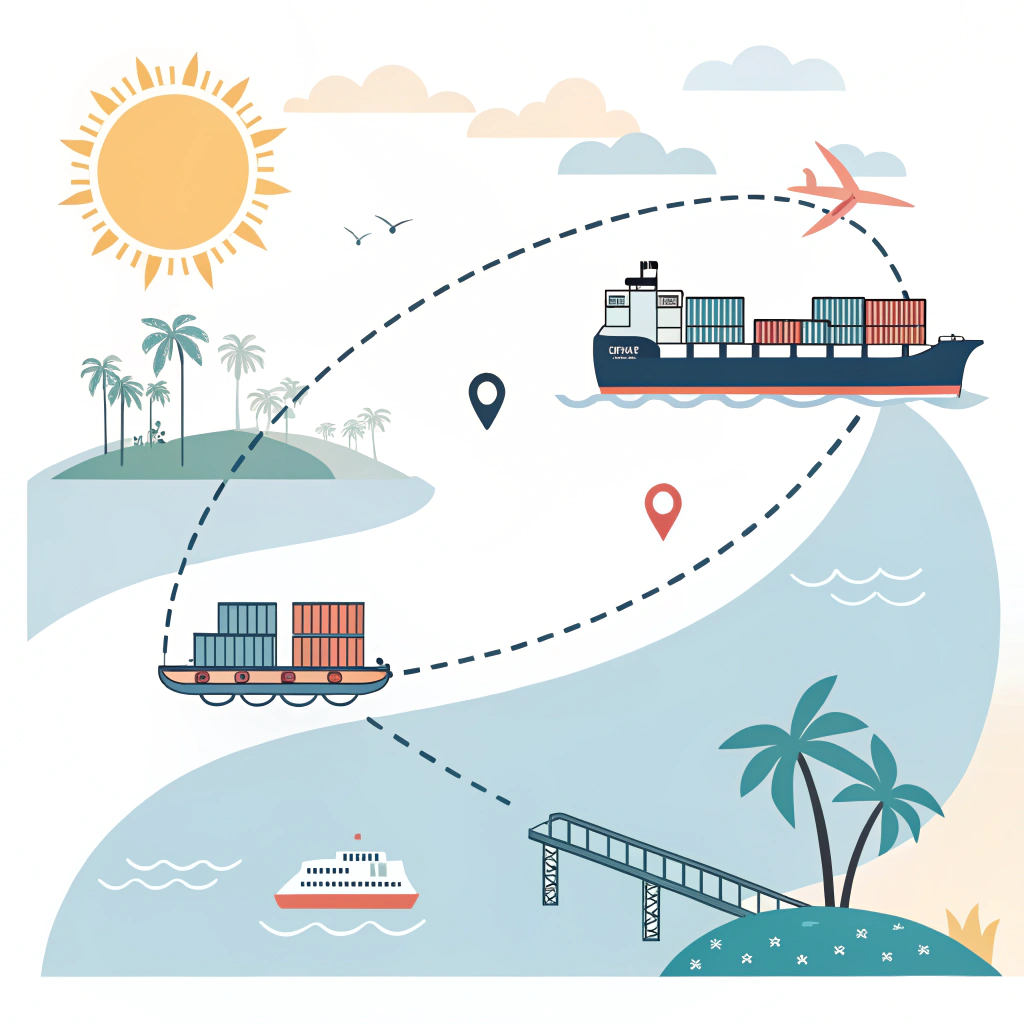
Beyond routes: hidden cost and risk factors to model
- Shipping route risk is not just time; it is predictability. Higher variance drives inventory cost and lost sales risk.
- Shipping insurance premiums rarely move dramatically on Canal headlines alone, but documentation and routing clauses can tighten. Ensure commodity descriptions and limits reflect potential reroutes.
- Container shipping tariffs and bunker formulas: audit BAF5 and surcharge triggers. If a carrier invokes a “canal contingency surcharge,” verify duration and applicability by service loop.
- EU ETS exposure: For Asia–EU routes via Suez, model allowance costs per TEU so you can compare apples to apples when Panama alternatives are on the table for US flows versus maintaining EU flows via Suez.
What we are doing for China‑origin shippers right now
As a China‑based forwarder managing door‑to‑door Global Supply Chain Management across air, ocean, and intermodal, we are applying the following controls so customers see fewer surprises and lower landed costs:
- Service mix diversification: maintain allocations on Panama, Suez, and USWC strings; keep optionality to switch based on weekly ACP notices and carrier advisories.
- Priority slot strategies: use selective premium transits when the cost per FEU beats the delay cost of inventory and downstream penalties.
- Transload to 53' at our US facility for East‑bound inland legs; this often reduces inland cost vs. IPI moves when US rails surge, while improving speed.
- Merge‑in‑transit and consolidation from our Shenzhen and Hong Kong warehouses to raise load factor and qualify for better service levels.
- Dynamic routing SLAs: pre‑approved alternates (Panama ↔ Suez ↔ USWC rail) with price/time guardrails, so changes occur in hours, not days.
- Customs and brokerage smoothing to avoid arrival holds, which matter more when schedules are tight.
- Air‑sea hybrids for high‑value SKUs: push 10–20% by air or express to protect revenue while the rest sails the most economical path.
Action plan: 10 steps to mitigate Canal‑related uncertainty
- Lock flexible MQCs with clear toll and canal surcharge pass‑through language; cap duration and review triggers at defined ACP announcements.
- Split your USEC volume: 60–70% on Panama strings, 30–40% on alternates (Suez or USWC‑rail) during shoulder seasons; rebalance ahead of peak.
- Pre‑book earlier: extend booking windows by 2–3 weeks for Panama services; secure equipment at origin with multi‑port pickup plans across China main ports.
- Build 7–10 days of buffer inventory for East Coast DCs during high‑risk hydrology months.
- Set a “reroute threshold”: when expected delay >5 days or auction premium >$200/FEU, switch to Suez or USWC‑rail per your SLA.
- Audit all surcharges monthly: canal, congestion, PSS, BAF; dispute any extensions beyond stated triggers.
- Use transshipment hubs strategically (Busan, Singapore, Cartagena, Freeport) to maintain schedule options without full service changes.
- For temperature‑controlled or DG cargo, validate slot priority policies; these commodities can lose allocation first when capacity tightens.
- Monitor carrier schedule reliability by loop; prefer services with historical on‑time performance above alliance averages during constraint periods.
- Run a quarterly tabletop exercise with your forwarder: simulate drought + toll increase + port congestion and pre‑approve vendor playbooks.
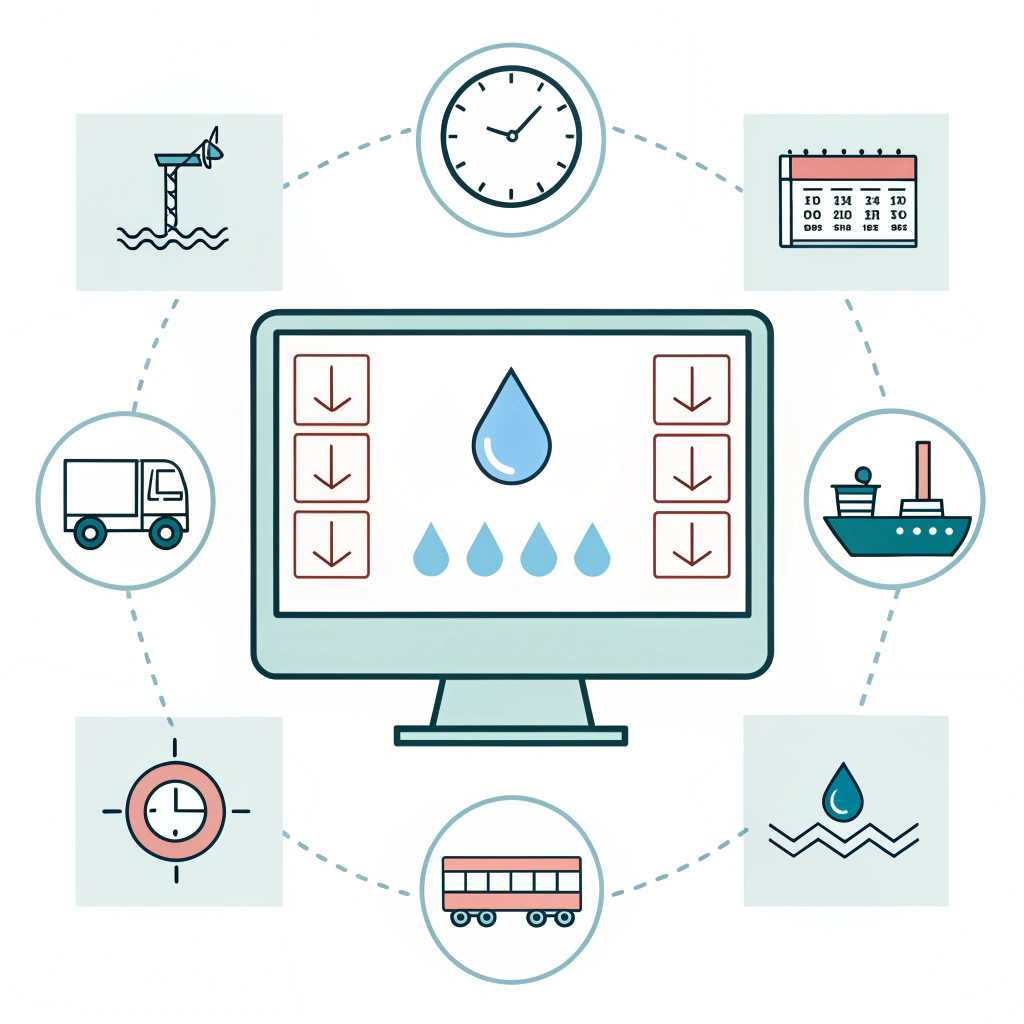
What to watch weekly: a shipper’s signal dashboard
- ACP advisories: daily transits permitted, draft restrictions, and any announced toll adjustments.
- Gatun Lake level trends vs. seasonal norms.
- Slot auction clearing prices and frequency.
- Vessel backlog at Canal approaches.
- Carrier blank sailings on Asia–USEC strings.
- US East/Gulf port dwell and crane productivity.
- VLSFO price trend and forward curve; HSFO‑VLSFO spread (for scrubber economics on your carriers).
- Any regulatory reviews involving Canal‑adjacent concessions with Chinese investors; note conditions and timelines.
Bottom line
- There is no direct privatization of the Canal; ACP remains in charge.
- However, capital changes around the Canal ecosystem—if BlackRock exits positions and Chinese investors bid—can still tighten the screws through pricing, slot dynamics, and compliance layers.
- Treat this as a controllable risk: diversify routes, codify surcharge rules, and put data‑driven triggers in your contracts. The shippers who pre‑wire alternates pay less and deliver more reliably.
People Also Ask
What is the relationship between Panama and China?
Panama established diplomatic relations with China in June 2017 after previously recognizing Taiwan. Since then, commercial ties have expanded, and Chinese companies have shown interest in Panama’s logistics and port sectors. The Panama Canal itself remains operated by the Panama Canal Authority (ACP), a Panamanian state entity, and is not owned by foreign governments or firms.
-
Panama Canal Authority (ACP): Reading this will clarify the ACP’s legal mandate, governance, and pricing framework, helping you anticipate toll changes, capacity decisions, and what private capital can—and cannot—alter. ↩
-
Slot auctions: Reading this will explain how Panama Canal auction mechanics, pricing, and priority rules work, so you can decide when to pay for guaranteed transits versus reroute or wait. ↩
-
EU ETS: Reading this will outline scope, cost pass‑through, and compliance (MRV) requirements, helping you model carbon costs on EU legs that affect global network and routing choices. ↩
-
New Panamax: Reading this will define the vessel class dimensions and draft constraints, enabling you to translate draft advisories into payload, transit, and service selection impacts. ↩
-
BAF (Bunker Adjustment Factor): Reading this will show how fuel surcharges are calculated and applied in contracts, equipping you to audit formulas, negotiate caps, and avoid over‑recovery. ↩