Skip to content
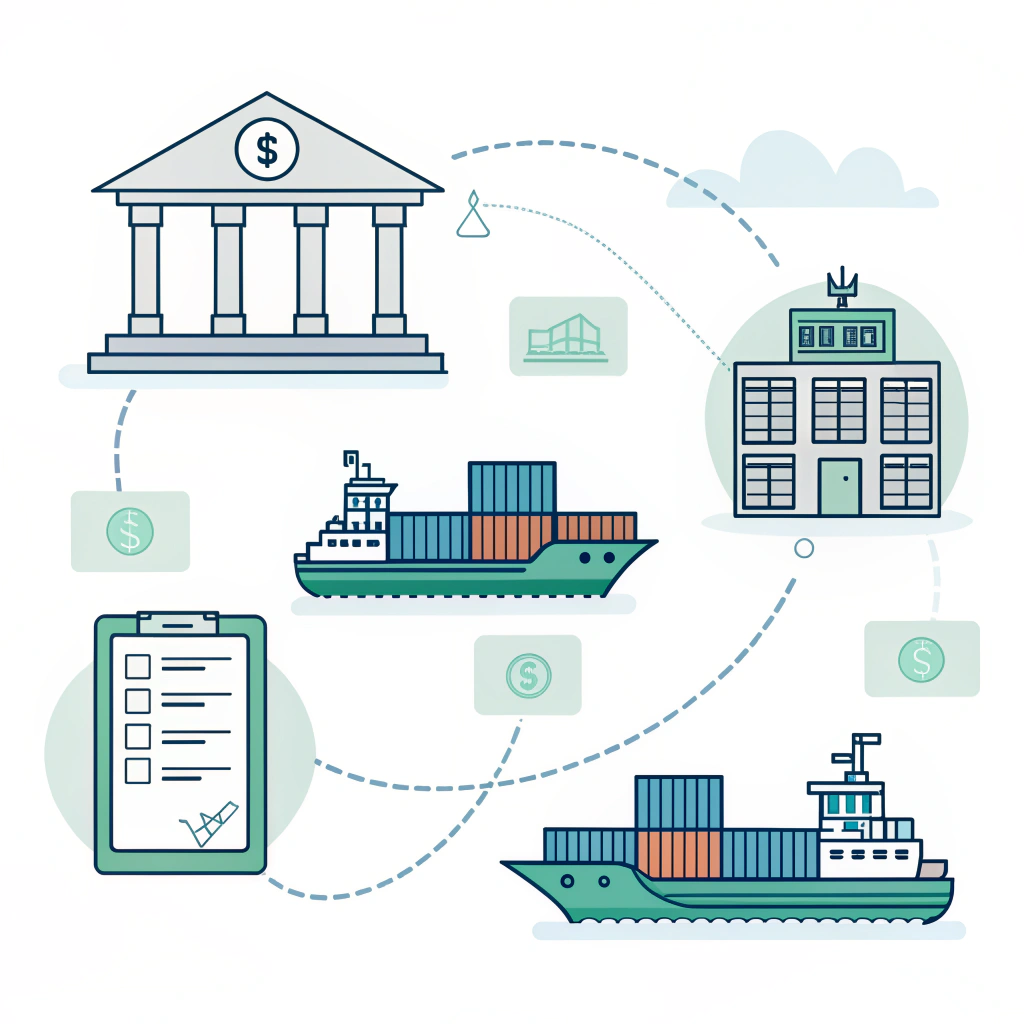
A letter of credit (LC) in 2025 is a bank‑backed payment commitment where the buyer’s bank pays the seller when compliant documents are presented—now often electronically under eUCP1—with optional confirmation by a second bank to remove country/bank risk. For importers and freight partners, the workflow hinges on specifying the right terms at issuance, aligning shipment documents (especially the bill of lading) to LC conditions, and using digital channels to cut time, errors, and costs.
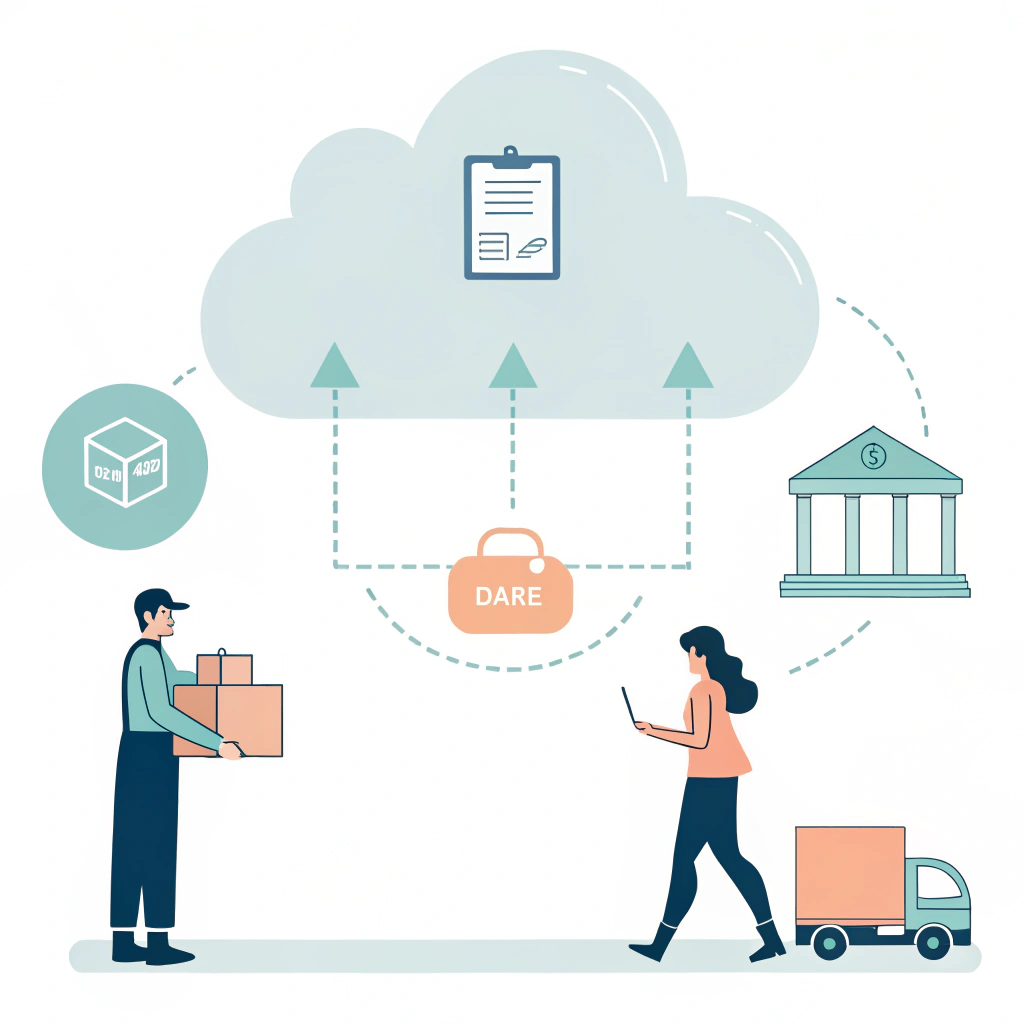
Why letters of credit still matter—and how they’ve changed
• What’s the job of an LC? It shifts performance risk from the buyer to banks, making payment contingent on documents rather than the physical state of goods. In volatile markets or new supplier relationships, this remains powerful.
• What’s different in 2025? Electronic presentation (eUCP) and broader e‑document acceptance (including eBL2 in jurisdictions adopting MLETR3/ETDA) reduce courier delays and discrepancy risk. Confirmation pricing has become more dynamic with credit and sanctions risk, and fintech platforms increasingly sit between trading parties and banks to pre‑validate data.
• Who should care? Procurement/logistics managers deciding whether to insist on LCs or accept alternatives; freight teams responsible for clean onboard bills of lading and timing; finance teams balancing fees, cash cycle, and compliance risk.
The core LC framework: rules, roles, and message rails
• Rules: Most commercial LCs are governed by UCP 6004, with electronic presentations under eUCP (v2.0). Demand guarantees reference URDG 758 (not the same as a documentary LC). Know which rule set applies.
• Roles:
- Applicant (buyer): requests issuance and funds payment.
- Issuing bank: undertakes to pay against complying presentation.
- Advising bank: authenticates and relays the LC to the beneficiary.
- Confirming bank (optional): adds its own irrevocable commitment to pay—key where supplier worries about issuing bank or country risk.
- Beneficiary (seller): ships and presents documents.
• Messaging: LCs still ride SWIFT MT 7xx5 messages, while payments increasingly move through ISO 20022. Fintech platforms may integrate via APIs but banks decide compliance under the LC.
2025 LC workflow, step by step (with digital options)
-
Commercial terms and LC draft
• Align Incoterms with document needs (e.g., under CIF/CIP, insurance certificate requirements).
• Negotiate whether LC is sight vs usance (deferred), and whether it will be confirmed.
• Define transport mode and document issuers (carrier vs forwarder), and whether eBL is acceptable under the LC.
• Choose rule set: state UCP 600 and eUCP if electronic presentation is intended. -
Issuance and advising
• Buyer applies at the issuing bank. Bank performs credit/KYC and issues LC via SWIFT to the advising bank in the seller’s country.
• Seller checks LC terms for feasibility. Amendments made if needed before shipment. -
Shipment and document creation
• Freight partner books space, ensures “clean on board” notation, correct ports, and required clauses (e.g., freight prepaid/collect) on the bill of lading (B/L).
• Seller compiles invoice, packing list, origin/inspection/insurance certificates as specified. -
Presentation (paper vs electronic)
• Paper UCP: beneficiary or their bank presents originals physically within the presentation period.
• eUCP: beneficiary presents electronic records—a defined set of data and documents—via bank portals or trusted platforms. For eBL, use an approved provider recognized by banks and permitted by law and the LC terms. -
Examination and payment
• Banks examine strict compliance (no “close enough”). If compliant: sight payment or acceptance/deferral per LC tenor. If discrepancies: bank may ask for a waiver from the buyer or refuse. -
Release and delivery
• Original B/L or eBL transfer controls cargo title. Freight partner coordinates delivery, customs, and final mile.
What to specify in your LC to cut risk and cost
• Use simple, objective descriptions. Avoid ultra‑detailed product specs that create mismatch risk.
• Decide on confirmed LC when issuing bank/country risk is a concern; otherwise leave unconfirmed to lower fees.
• State “eUCP presentation allowed,” list acceptable formats, platform provider (for eBL), and the electronic address/portal.
• Clarify the B/L:
- Must show “on board,” correct ports, carrier signature (or master/agent), and be a “clean” bill (no adverse clauses).
- Consignee “to order” or named? Align with your bank’s title transfer practice.
• Presentation timeline: allow realistic days after shipment (21 days is common; adjust with eUCP if using electronic).
• Third‑party docs: explicitly allow if inspection/certificates come from non‑beneficiary entities.
• Insurance: if CIF/CIP, define coverage minimum (e.g., Institute Cargo Clauses A, 110% of invoice value).
• Tolerance: add quantity/amount tolerances (+/− 5–10%) to avoid minor variances causing rejections.
• Partial shipments/transshipments: allow or prohibit based on your logistics plan.
LC types and when to use them
| LC Type | How it pays | Typical use case | Pros | Cons |
|---|---|---|---|---|
| Sight LC | On compliant presentation | New supplier, unstable markets | Strong seller assurance | Immediate cash outflow for buyer |
| Usance (Deferred) LC | After a set tenor (e.g., 60–180 days) | Buyer cash‑flow management | Time to sell goods before paying | May require discounting; extra fees |
| Confirmed LC | Advising bank adds payment commitment | High country/bank risk | Seller risk removed | Higher fees |
| Transferable LC | Can be transferred to another beneficiary | Traders/intermediaries | Supports chain trades | Complex controls |
| Back‑to‑back LC | Buyer LC supports a second LC to supplier | OEM/assembly with middleman | Keeps supplier terms separate | More banks, higher cost/complexity |
| Standby LC (SBLC) | Pays on demand if buyer defaults | Performance/advance payment security | Simple draw conditions | Not a shipping documentary LC; governed by standby rules |
| Revolving LC | Automatically reinstates amount | Repetitive shipments | Admin ease | Harder to manage changes |
Trade finance costs in 2025: typical ranges
| Fee Type | Typical Range/Note |
|---|---|
| Issuance fee | ~0.20–0.50% of LC amount; sometimes per month of validity for higher‑risk markets |
| Confirmation fee | ~0.20–1.50% per annum equivalent; varies by country/bank risk tier |
| Advising fee | $75–$200 per LC |
| Amendment fee | $50–$150 per amendment |
| Document examination | $75–$150 per presentation |
| Discrepancy fee | $50–$125 per discrepancy |
| SWIFT message | $30–$60 per message |
| Discounting (usance) | Benchmark rate + margin (risk‑dependent) |
Note: Actual pricing depends on risk ratings, amounts, and bank relationships. Negotiate bundled pricing if you ship frequently.
Documentary risk matrix: where shipments go wrong
| Document | Common discrepancy | Practical fix |
|---|---|---|
| Bill of lading (B/L) | Missing “on board” or wrong port names | Instruct carrier/forwarder to add clean onboard notation and verify ports before issuance |
| Commercial invoice | Amount or description mismatch | Align the LC description to a general spec; ensure invoice matches wording exactly |
| Packing list | Missing weights/dimensions | Pre‑template and link warehouse data to auto‑populate; verify before submission |
| Insurance certificate | Coverage below LC requirement | Pre‑negotiate with insurer; define ICC clauses and valuation in LC |
| Certificate of origin | Issued by wrong authority or late | Confirm acceptable issuer; book appointment early |
| Inspection report | Different entities named than LC | Explicitly allow third‑party docs; align beneficiary naming rules |
| Draft/Bill of exchange | Wrong tenor or missing signature | Standardize templates with bank guidance |

eUCP and electronic records: the 2025 essentials
• eUCP supplements UCP 600 for digital presentation. It defines “electronic records,” how to determine the presentation date/time, and what happens if systems are unavailable.
• State the electronic address (portal or platform) and acceptable formats (PDF, structured data, eBL via specified provider).
• Electronic bill of lading (eBL) is increasingly accepted where law recognizes electronic titles (e.g., under MLETR‑inspired regimes and the UK’s ETDA). Many container carriers target majority eBL adoption before 2030. Confirm your bank’s list of accepted providers.
• Keep audit trails: timestamps, hash/fingerprint or platform authenticity certificates to support bank examination.
• Coordinate with your freight forwarder to ensure eBL transfer aligns with LC timelines and consignee instructions.
Confirmed vs unconfirmed LC: when to add confirmation
• Add a confirmed LC when:
- The supplier distrusts the issuing bank’s credit or the buyer’s country risk.
- Sanctions/political risk could affect payment or transfers.
- Amounts are large, production lead time is long, or opportunity cost is high.
• Keep unconfirmed when: - Banking systems are stable and supplier trusts the issuing bank.
- You want to minimize fee load and have strong existing relationships.
• Negotiate who pays confirmation fees. Often the applicant absorbs them to secure supplier acceptance.
Standby LC vs documentary LC vs demand guarantees
• Standby letter of credit: A contingent instrument; pays upon default or non‑performance, commonly under ISP98 or UCP as standbys. Not designed for routine shipping document checks.
• Documentary credit under UCP/eUCP: Pays against compliant shipment documents; core instrument for trade shipment payment.
• URDG 758 demand guarantee: Typically issued by banks to secure performance or payment; outside UCP. In some markets, suppliers prefer URDG guarantees over SBLCs.
Choose based on your risk need: shipment payment assurance (documentary LC) vs performance/default risk (standby/URDG).
Freight forwarding handoffs and cutoffs you must align with your LC
• Booking and cutoff: Share LC shipment windows and presentation periods with your forwarder. If last free day shifts, ensure LC validity and latest shipment date remain feasible.
• B/L instructions: Provide exact LC wording for consignee/notify fields, ports, and onboard notation. Confirm whether “freight prepaid/collect” must appear.
• Originals vs eBL: Decide early. If paper originals are required, plan courier time within presentation period. If eBL, ensure both banks accept the provider and eUCP is specified.
• Multi‑modal or transshipment: State allowances in the LC and mirror in booking instructions, or your B/L may conflict with LC terms.
• Warehouse data: Use standardized templates to avoid packing list/weight errors and link them to LC requirements.
Compliance, KYC, and sanctions: don’t let paperwork pass but payment fail
• Banks screen parties, goods, and routes for sanctions/AML. Restricted goods or sanctioned geographies can block payment even if documents comply.
• Keep consistent entity names across LC, invoices, and B/L. Mismatched legal names trigger KYC reviews.
• Provide regulatory certificates early (dual‑use/export control) so banks are comfortable with the cargo profile.
• If you change suppliers or routing mid‑process, amend the LC to avoid surprises at presentation.
Practical case example: a digital LC from China to the U.S.
Scenario: A U.S. importer buys electronics ex‑factory Shenzhen, ships FOB Yantian, wants payment assurance and speed.
Plan:
• LC type: Confirmed sight LC under UCP 600 + eUCP for electronic presentation.
• Documents required: eBL from an accepted provider, commercial invoice, packing list, origin certificate, and insurance (not needed under FOB; omit to reduce risk).
• Wording: Allow partial shipments; define 21‑day presentation; tolerance +/− 5%; allow third‑party inspection if needed.
Timeline:
• Day 0–5: LC issued and advised. Seller and forwarder review terms; one amendment to allow transshipment.
• Day 6–10: Goods packed and delivered to terminal; forwarder ensures B/L data aligns with LC fields. Clean on board date captured.
• Day 11–15: Seller presents e‑records via bank portal; eBL transfer executed to issuing bank’s order.
• Day 16–20: Bank examination and sight payment to seller; importer receives title and clears cargo in the U.S.
Outcome: No courier delays, fewer discrepancies, and shorter cash cycle compared to paper.
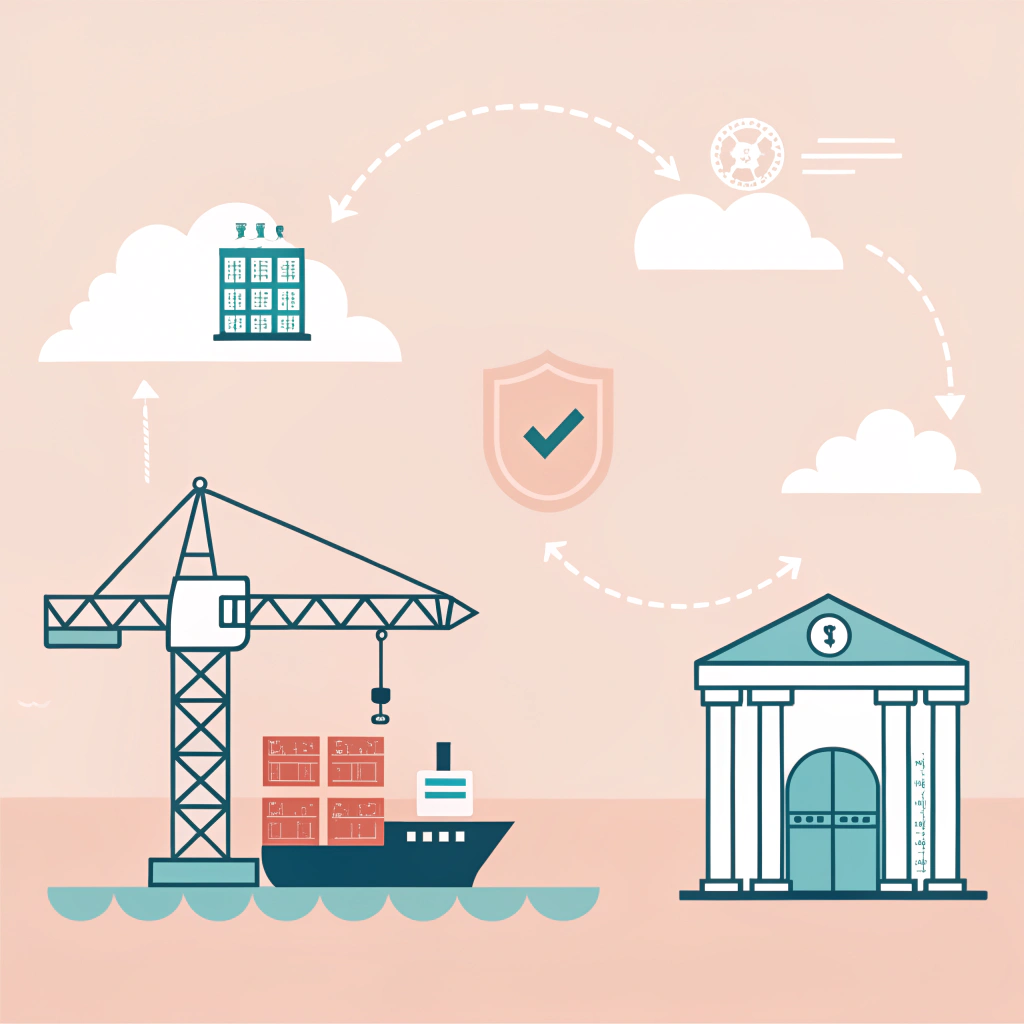
Action checklist for importers and freight partners
• Decide LC vs alternatives: For new suppliers or higher‑risk lanes, prefer LC; for mature relationships, compare with open account + credit insurance or SBLC/URDG as appropriate.
• Lock rule set: State UCP 600 and eUCP if going digital; confirm eBL provider acceptability with banks before issuance.
• Keep the LC simple: Fewer subjective clauses, clear tolerances, realistic timelines.
• Pre‑validate documents: Use templates; align forwarder’s B/L instructions with LC terms; pilot e‑presentation with your bank before first live deal.
• Price the fees: Get issuance/confirmation quotes; negotiate all‑in schedules; consider usance discounting if your supplier wants early cash.
• Coordinate compliance: Share sanctioned party screening results and export control docs early; keep legal names consistent.
• Build an exception plan: If discrepancies occur, define who requests waivers, how fast, and who pays fees.
• Review post‑shipment: Track discrepancy statistics and remove chronic failure points (e.g., overly specific product descriptions).
Alternatives to LCs and when to switch
• Open account with trade credit insurance: Lower friction, but insurer pays on default, not on documents. Good for repeat flows and strong buyer credit.
• SBLC or URDG guarantee: Security for performance/advance payments; simplifies shipping but does not structure document presentation.
• Documentary collection (D/P, D/A): Lower cost, but payment risk remains with the buyer; banks do not guarantee payment.
Map instrument choice to transaction risk, complexity, and relationship maturity.
Summary: make LCs faster, simpler, and safer in 2025
Letters of credit are still a precise tool to allocate payment risk in cross‑border trade. In 2025, their best use combines clear, minimal LC terms, eUCP digital presentation (including eBL where legally recognized), and tight coordination between banks and freight partners to eliminate discrepancies. Add confirmation selectively, standardize document templates, and negotiate fees up front. If your relationship and market allow, compare with insurance or standby instruments—but when stakes are high, a well‑designed LC remains the cleanest path to assured payment and cargo release.
People Also Ask
No additional questions were provided for this article’s PAA module.
-
eUCP: Reading will clarify how electronic presentations work under eUCP, the required data formats, timing rules, and contingency procedures—helping you cut courier delays and reduce discrepancy risk. ↩
-
eBL: Reading will show how electronic bills of lading transfer title digitally, which providers banks accept, and how to align eBL flows with LC terms—speeding cargo release and minimizing paperwork errors. ↩
-
MLETR: Reading will explain the legal framework enabling electronic transferable records, which jurisdictions recognize electronic titles, and practical steps to stay compliant—so your e‑documents are enforceable. ↩
-
UCP 600: Reading will provide the governing rules for documentary credits, detailing compliance standards and bank examination practices—equipping you to draft LC terms that avoid costly discrepancies. ↩
-
SWIFT MT 7xx: Reading will help you understand the message formats banks use to issue, amend, and advise LCs—improving your ability to interpret LC messages and coordinate timelines with counterparties. ↩