Skip to content
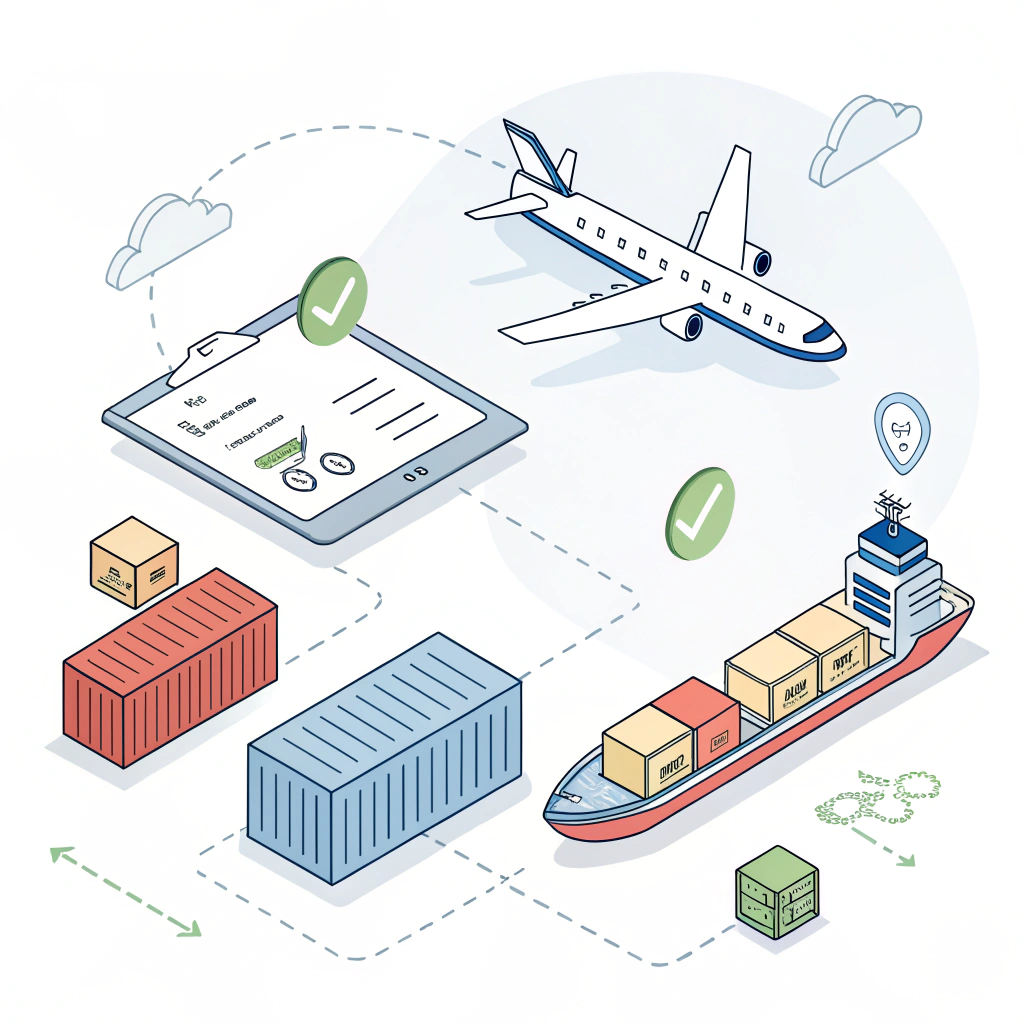
Quick answer: Most routine shipments clear customs in 24–72 hours once arrived, provided your documents are complete and any pre-arrival filings are done. Air freight usually clears faster (same day to 48 hours). Ocean FCL typically clears in 1–3 business days after arrival availability; LCL often needs 2–5 days due to CFS handling. Add 2–7+ days if your cargo is selected for inspection or needs import permits. Pre-filing (e.g., ISF/ENS), accurate HS code classification1, and prepayment of duties are the biggest levers to shorten customs clearance time.
Why customs clearance time varies—and what you can control
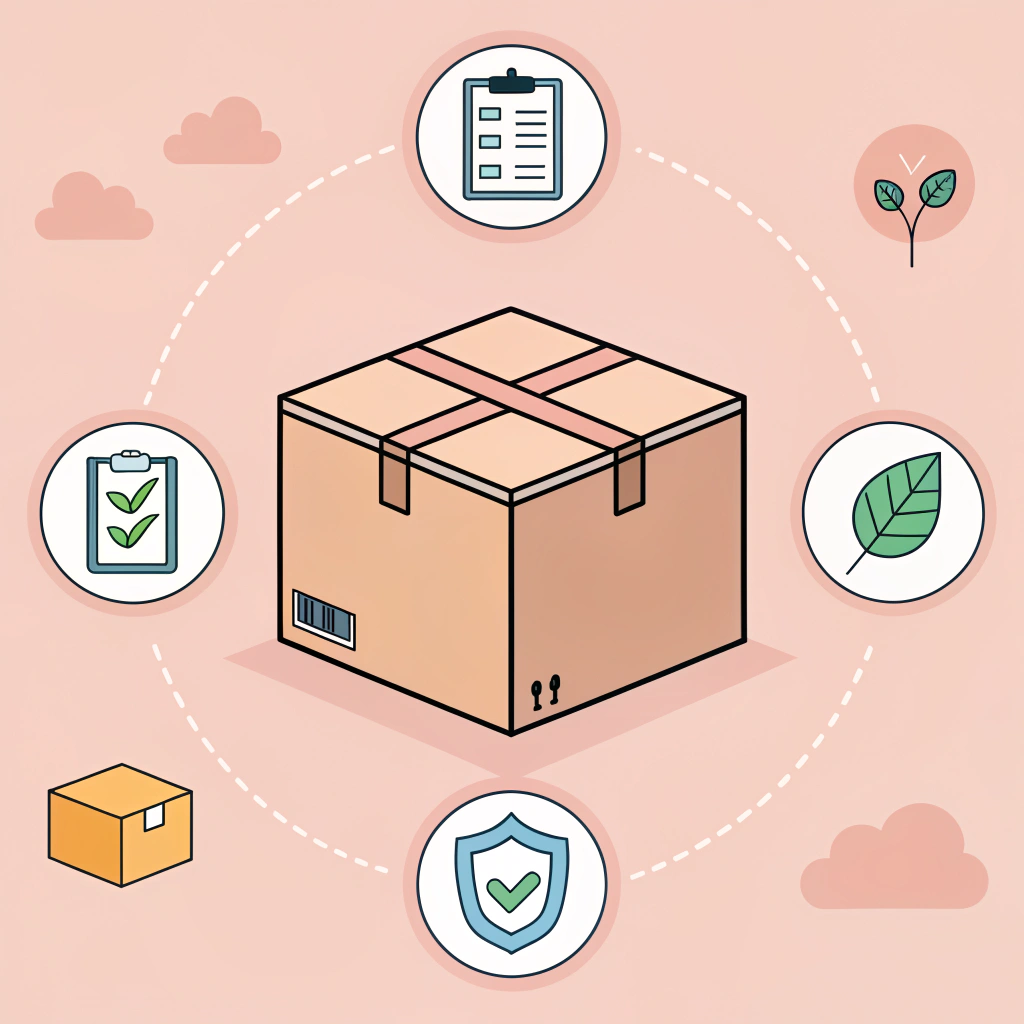
Clearance time depends on four buckets you can influence:
- Documentation readiness: Missing or inconsistent data in the commercial invoice, packing list, or HS code classification triggers holds.
- Pre-arrival filings: pre‑arrival processing like the US ISF 24‑hour rule2, EU/UK ENS, Canada eManifest, and AU ICS risk screening determines whether your cargo is flagged before it lands.
- Duty/tax settlement: If your broker can instantly calculate and secure customs duty and VAT/GST payment (e.g., ACH, deferment, or broker guarantee), release is quicker.
- Cargo profile and compliance: Licenses (e.g., FDA, CE/UKCA, DAWR for biosecurity), dangerous goods papers, fumigation for wood packaging, and valuation accuracy reduce exam risks.
What you cannot control: random inspections, port congestion, customs system outages, and peak season surge. Plan buffers accordingly.
Typical import clearance timeline by destination and mode
The table below reflects routine, compliant imports with pre-arrival data filed and no special permits needed.
| Destination market | Air freight clearance (from arrival) | Ocean FCL clearance (from availability) | Ocean LCL clearance (from CFS availability) | Notes |
|---|---|---|---|---|
| United States | 4–48 hours | 1–3 business days | 2–5 business days | ISF must be filed 24h before vessel lading; FDA/USDA may add 1–3+ days |
| European Union | 6–48 hours | 1–3 business days | 2–5 business days | ENS pre-arrival; VAT via deferment speeds release |
| United Kingdom | 6–48 hours | 1–3 business days | 2–5 business days | GVMS/CHIEF/CDS entries; IPAFFS for SPS goods |
| Canada | 6–48 hours | 1–3 business days | 2–5 business days | eManifest/ACI and RMD release common |
| Australia | 24–72 hours | 2–4 business days | 3–6 business days | Biosecurity (DAFF) inspections common for wood/food |
Expect +2–7 days for inspections (x-ray, tailgate, devanning) and +3–10 days if permits or lab tests are required.
Air vs ocean: what actually happens during clearance
Understanding the steps clarifies where time is spent.
Air freight customs clearance
- Pre-arrival: Carrier sends manifest; broker prepares entry in the customs system (e.g., ACE/CDS/ICS).
- Arrival and risk assessment: Customs runs compliance checks.
- Duty/VAT determination and payment authorization: Via broker account, duty deferment3, or immediate payment.
- Release: Airline issues the release/Delivery Order after customs release and any terminal fees are paid.
- Pickup and final delivery: Book truck within terminal free time to avoid storage.
Typical time: 4–48 hours. Same-day release is common when entries are pre-filed and duty payment is set.
Ocean FCL customs clearance
- Pre-arrival: ISF/ENS/ACI submitted; broker drafts entry with documents and importers’ numbers/EORI.
- Arrival and discharge: Container becomes available after terminal processing.
- Customs entry and risk screening: Documentary checks, risk scoring, possible exam instructions.
- Duty/VAT settlement and customs release.
- Carrier release/Delivery Order: Paid after ocean freight and local charges are settled.
- Pickup scheduling: Arrange truck and chassis; watch for port congestion.
- Gate-out and delivery; empty return within detention free time.
Typical time: 1–3 business days, longer if exam or terminal queues.
Ocean LCL customs clearance
Similar to FCL but includes CFS consolidation/deconsolidation. Expect +1–2 days for CFS processing. Devanning exams add time because cargo must be opened and inspected at the warehouse.
Core documents you need for a smooth import clearance timeline
Prepare these to enable fast customs broker processing and avoid holds.
| Document | Prepared by | Why customs needs it | Tips to avoid delays |
|---|---|---|---|
| Commercial Invoice | Supplier | Valuation, origin, Incoterms | Show currency, detailed description, Incoterms, buyer/seller, and unit price |
| Packing List | Supplier | Quantity, weight, packaging | Match invoice; include net/gross weight and dimensions |
| Bill of Lading/AWB | Carrier/Forwarder | Proof of shipment and routing | Ensure consignee and notify parties align with entry |
| HS Code list | Broker/Importer | HS code classification for duty | Agree HS codes before shipment; avoid generic descriptions |
| Certificates/Licenses | Supplier/Importer | Permits for restricted goods | CE/UKCA, FDA, FCC, phytosanitary, MSDS, fumigation as needed |
| Country of Origin evidence | Supplier | Rules of origin and duty preference | Form A, USMCA/REX statements where applicable |
| Power of Attorney (POA) | Importer | Broker authority to act | Set up with your broker before shipment |
| Tax IDs/EORI/BN/ABN | Importer | Importer identification | Provide correct numbers to prevent entry rejection |
Pre-arrival actions that cut days off clearance
- Submit ISF/ENS/eManifest on time: The US ISF must be filed at least 24 hours before vessel loading in the origin port; late filings risk fines and holds.
- Share full documents before departure: Your broker can lodge an electronic customs declaration and flag issues early.
- Validate classification: Align on HS code classification with your broker; misclassification is a top cause of customs inspection holds.
- Set up duty/VAT payment: ACH, duty deferment, or broker guarantees enable instant settlement.
- Confirm import permissions: For food, cosmetics, electronics with wireless modules, chemicals, medical devices, timber products—get approvals before shipping.
- Check packaging and marking: ISPM-154 for wood packaging, correct country-of-origin marking, and battery labeling for air.
- Choose the right Incoterms: For predictable lead times, DAP/DDP with a single forwarder can centralize control of clearance.
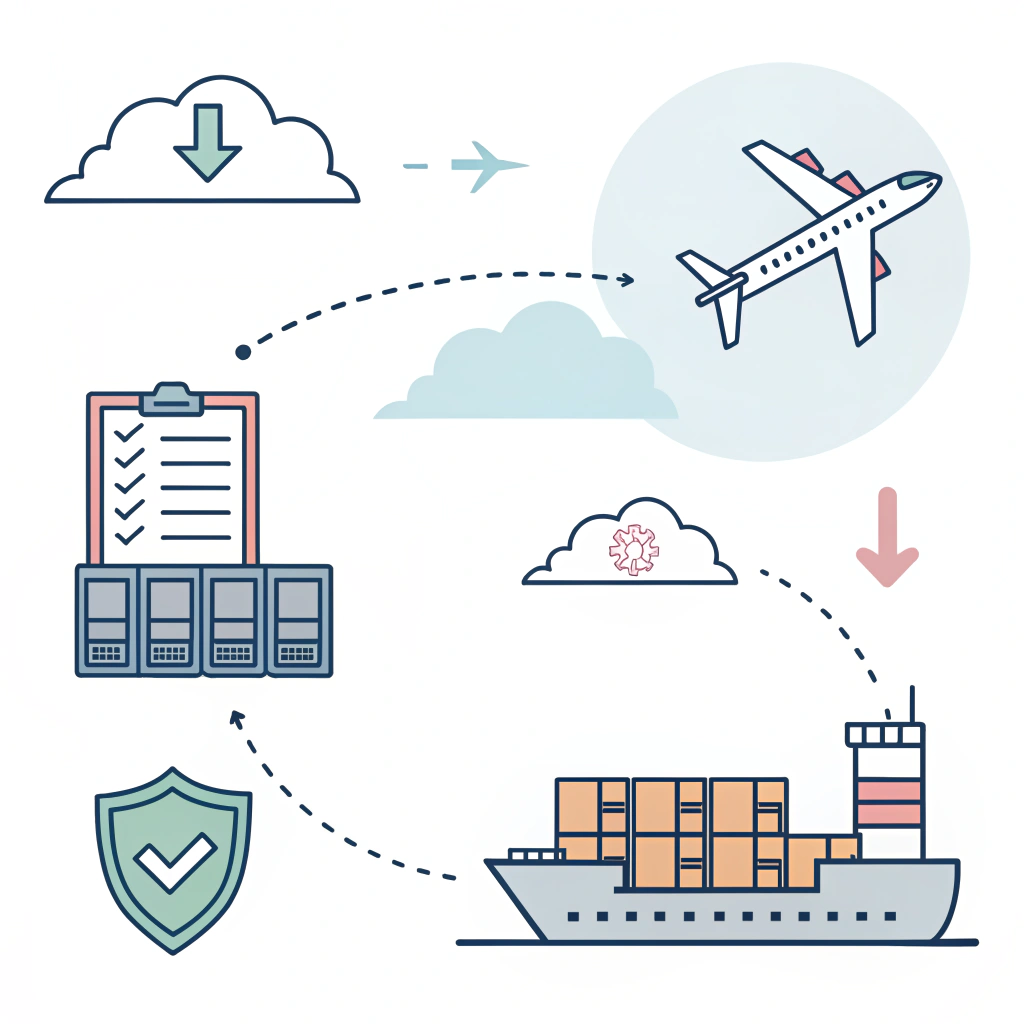
Inspections and holds: know the types and timelines
- Documentary review: 0.5–2 days if documents are inconsistent or incomplete.
- X-ray/Non-intrusive inspection (e.g., VACIS): Typically 1–3 days depending on queue.
- Tailgate/stripping exam: 2–5 days; container opened, sometimes devanned.
- Partner agency holds (e.g., FDA, agriculture/biosecurity): 2–10+ days depending on product and lab tests.
- Valuation/origin verification: Can run into weeks; avoid by providing contracts, payment proofs, and origin statements.
Plan a minimum buffer of 2–3 days for ocean shipments during peak seasons and at high-traffic ports.
Costs linked to time: what to budget and how to minimize
- Clearance costs and fees: Broker entry fee, duty/VAT, electronic security filing, bond/guarantee fees.
- Port and terminal charges: Terminal handling, CFS fees, airline terminal fees, carrier Delivery Order.
- Storage and free time: Air terminals usually give 24–48 hours free; seaports 4–7 calendar days of demurrage5 and 5–10 days of free detention—verify your contract’s free time.
- Exam fees: X-ray, tailgate, devanning, and reloading costs.
- Trucking standby/congestion fees: Apply when pickups are rescheduled due to release delays.
How to reduce:
- Pre-file and pre-pay to avoid weekend/holiday delays.
- Book earlier gate appointments at congested terminals.
- For LCL, consolidate with stable, predictable CFS partners.
- Use a bonded move to inland ports if local congestion is severe (see below).
Customs transit vs clearance: when to move under bond
- Transit (under bond) means goods move to another customs point or a bonded warehouse without paying duty/VAT immediately: US I.T./I.E., EU/UK T1, Canada in-bond, Australia movement permissions.
- Use case: Avoid demurrage by moving a container to a bonded depot while paperwork completes, or to clear at an inland port closer to your DC.
- Time impact: You can often pull cargo within 24 hours of availability and complete clearance inland. However, you add an extra step of bond issuance and a second terminal/CFS handoff, so plan 1–2 extra days in total handling.
Clearance by mode: practical timelines and what you should plan
Air freight (most predictable)
- Best case: Pre-filed, compliant cargo releases same day within 4–12 hours.
- Typical: 24–48 hours including airline release and terminal payment.
- Plan for: 1–2 days buffer for random exams or weekend arrivals.
Ocean FCL (port-dependent)
- Best case: 1 business day from availability to customs release, then same or next day pickup.
- Typical: 1–3 business days clearance; +1 day to secure a trucking slot.
- Plan for: 2–4 days buffer, more during peak season or at congested ports.
Ocean LCL (CFS-driven)
- Best case: 2 business days including CFS devanning and customs release.
- Typical: 2–5 business days; devanning exams add time.
- Plan for: 3–6 days buffer; ask your forwarder about CFS productivity and historical exam rates.
Top causes of clearance delays and how to prevent them
| Cause of delay | What it impacts | How to prevent |
|---|---|---|
| Inaccurate HS code classification | Duty amount, risk score | Validate with broker; maintain a product master with confirmed HS codes |
| Vague product description | Documentary review | Use clear, technical descriptions: material, function, use |
| Missing permits/certifications | Partner agency holds | Confirm regulatory scope (FDA, CE/REACH, biosecurity) before shipping |
| Late ISF/ENS/manifest | Holds and fines | File ISF/ENS on time; share data with broker pre-departure |
| Valuation issues | Long investigations | Provide contracts, Incoterms, freight costs, discounts clearly |
| Wood packaging non-compliance | Biosecurity exam | Use ISPM-15-compliant pallets/crates |
| Mismatched consignee details | Entry rejection | Align AWB/BL, invoice, and importer IDs (EORI/IRS/BN/ABN) |
| Duty/VAT payment delays | Release stall | Set up ACH/deferment; pre-authorize payments |
| Peak season congestion | Terminal queues | Book early pickups; consider off-peak gates or alternate ports |
Role clarity: who does what for faster release
- Supplier: Accurate invoice, packing list, permits, and on-time cargo readiness.
- Importer: Provide tax IDs, POA, product master data, and approve duty payments.
- Freight forwarder: File security filings, coordinate documents, lodge the electronic customs declaration, and arrange carrier DO and trucking.
- Customs broker: Validate classification and valuation, submit entry, handle duties/taxes, manage holds.
- Trucker: Secure terminal appointments, chassis, and meet free time windows.
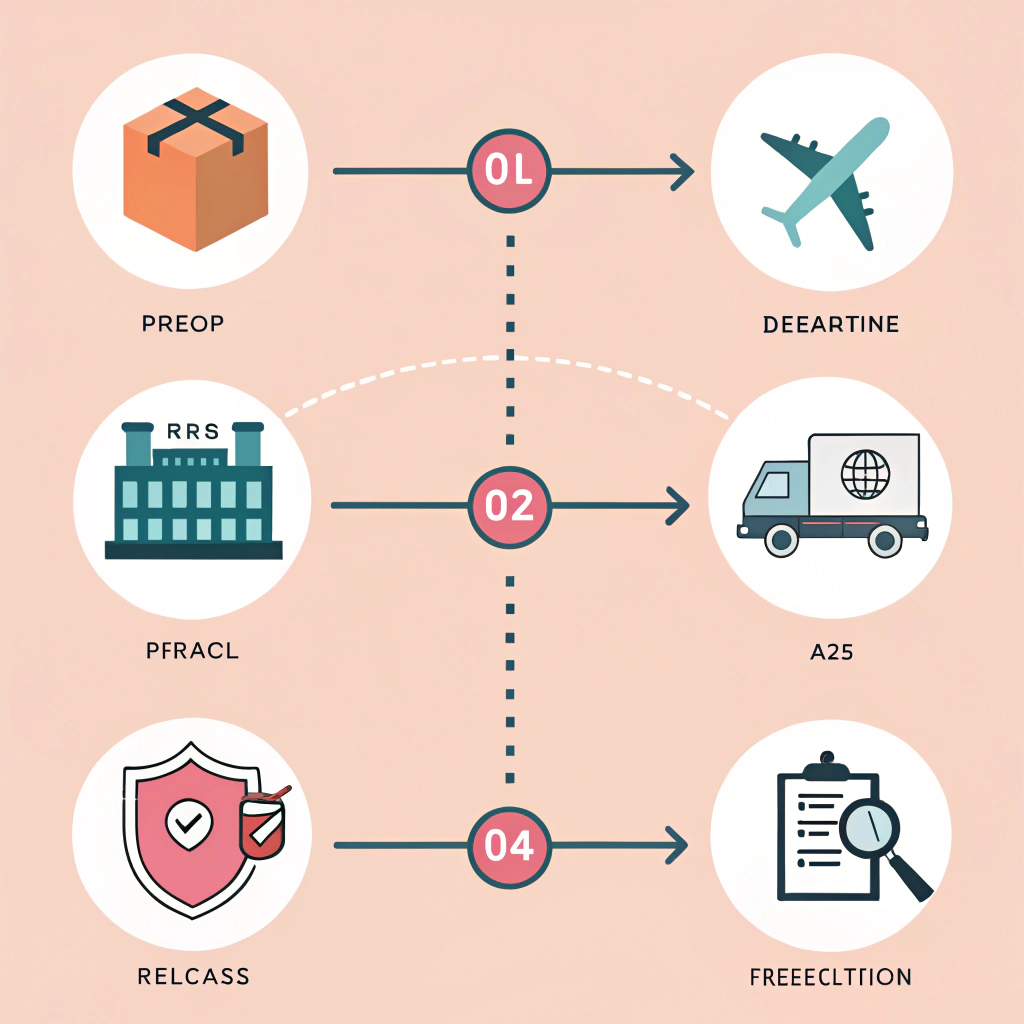
Timeline you can copy for planning
- T-5 to T-3 (before departure): Share invoice, packing list, HS codes, licenses; broker validates and pre-files.
- T-2 to T-1: Confirm duty/tax payment method and importer IDs.
- Arrival day (A-day): Broker submits or finalizes entry; watch for holds.
- A+0 to A+1: If released, settle terminal/DO; book pickup.
- A+1 to A+3: Deliver to warehouse; return empty (ocean).
- If hold/exam: Add 2–7 days; communicate new ETA to downstream teams.
When clearance will likely exceed 72 hours
- Shipments involving food, pharma, cosmetics, wireless modules, batteries, animal/plant products, chemicals.
- New importer with no prior entries or missing POA/tax IDs.
- Misdeclared value, missing country-of-origin marking, or freight costs not shown on invoice for CIF/FOB reconciliation.
- Peak season (Sep–Dec), port strikes, or customs IT outages.
- High-risk trade lanes or entities under enhanced screening.
Frequently overlooked but high-impact details
- Release order vs delivery order: In many markets these terms are used interchangeably; the key is to obtain the carrier’s DO after customs release and payment of local charges to physically collect cargo.
- Clearance cut-off and free time: Align delivery scheduling with terminal free time. For ocean, know your demurrage and detention starts; for air, confirm the free storage window to avoid surprise fees.
- Electronic customs declarations: Ensure your broker files electronically in the destination system (ACE/CDS/ICS/ATLAS). Paper submissions slow you down.
- Bonded warehouse option: If documents lag, move goods to a bonded facility to avoid demurrage, then finalize clearance and duty payment before release to free circulation.
Summary: a realistic, low-risk import clearance timeline
- Air freight: Plan 1–2 days for routine clearance; buffer 1 day.
- Ocean FCL: Plan 2–4 days from availability to gate-out; buffer 2–3 days.
- Ocean LCL: Plan 3–6 days post-CFS availability; buffer 2–4 days.
- To consistently hit these: pre-file ISF/ENS, provide complete documents before departure, validate HS codes, and set up duty/VAT payment.
Action you can take this week
- Build a product HS code master with your broker.
- Create a pre-shipment compliance checklist for suppliers.
- Set up POA and duty/VAT payment accounts.
- Agree on SLAs with your forwarder: entry pre-filing timing, response time to holds, pickup booking windows, and updates cadence.
People Also Ask
How long does it take to clear international customs?
For most compliant shipments, customs clears within 24–72 hours after arrival. Air parcels often release the same day or within 48 hours; ocean cargo typically takes 1–3 business days (LCL 2–5 days) once available. Add time if inspections, permits, or duty/VAT payment issues arise.
How long does it take for customs to clear goods?
If documents and pre-arrival filings are correct, clearance usually completes in one to two days. Complex products, random exams, or missing paperwork can extend the process by several days or more.
-
HS code classification: Read to learn how to correctly classify products under the Harmonized System, reduce duty overpayment, prevent penalties and clearance holds, and enable predictable landed cost calculations. ↩
-
ISF 24‑hour rule: Read to understand filing requirements, timelines, penalties, and best practices to avoid holds so your US ocean shipments aren't delayed at arrival. ↩
-
duty deferment: Read to see how deferment accounts work, eligibility, cash-flow benefits, and how to set one up to accelerate release without immediate duty payment. ↩
-
ISPM-15: Read to grasp wood packaging compliance, marking standards, and how to avoid biosecurity inspections and rework on pallets/crates. ↩
-
demurrage: Read to understand how port storage clocks start, how demurrage differs from detention, and tactics to minimize or avoid these charges during delays. ↩