Skip to content
Shipping a container from China to the USA involves a series of careful planning and coordination steps to ensure your goods arrive safely, on time, and within budget. The process covers selecting the container type, booking the shipment, preparing documentation, customs clearance, and final delivery. As an experienced freight forwarder, we recommend following a structured step-by-step guide to simplify shipping and avoid common pitfalls.
Before you book shipping, understand whether your cargo suits Full Container Load (FCL)1 or Less Than Container Load (LCL)2:
- FCL: You rent the entire container (usually 20ft or 40ft) exclusively for your goods. Ideal for large shipments with enough volume to fill a container, offering cost advantages and less handling risk.
- LCL: Your goods share container space with other shipments, suitable for smaller volumes, generally higher per unit cost but more affordable upfront.
| Container Type | Dimensions (L x W x H) | Typical Use Case |
|---|---|---|
| 20-foot | 6.06m x 2.44m x 2.59m | Up to 28 cubic meters, heavy goods |
| 40-foot | 12.19m x 2.44m x 2.59m | Up to 68 cubic meters, large shipments |
| 40-foot High Cube | 12.19m x 2.44m x 2.89m | Extra height, bulkier cargo |
Choosing the right container size based on volume and weight is crucial for cost-efficiency and compliance.
Selecting a reliable freight forwarder3 is key. They handle bookings, negotiate rates with carriers, coordinate pickup, and provide tracking.
- Booking Process: Provide cargo details (size, weight, volume, type), loading port in China (e.g., Shanghai, Ningbo, Shenzhen), discharge port in the USA (e.g., Los Angeles, New York), and preferred sailing dates.
- Cost Factors: Freight charges depend on container size, route, season, demand, and surcharges like BAF (Bunker Adjustment Factor)4.
Freight forwarders often provide value-added services like cargo consolidation, inland trucking, and customs brokerage to simplify your logistics chain.
Documentation ensures smooth customs clearance for exports and imports. Essential documents include:
- Bill of Lading (B/L): Shipping contract and proof of cargo ownership.
- Commercial Invoice: Details price, seller, buyer, and description of goods.
- Packing List: Specifies packaging details and cargo content.
- Export Declaration: Required by Chinese customs for clearance.
- Import Customs Documents (USA): Includes ISF filing (Importer Security Filing) for ocean shipments 24 hours before loading in China.
Ensure accuracy and completeness, as missing or incorrect documents cause delays and possible fines.
At the exporting warehouse or factory in China, your cargo must be properly packed, labeled, and consolidated if LCL.
- Freight forwarders monitor cargo pickup and coordinate container stuffing.
- Inspect container condition (seal numbers, damages) before loading.
- Seal containers securely to prevent tampering during transit.
This step confirms cargo safety and regulatory compliance before departure.
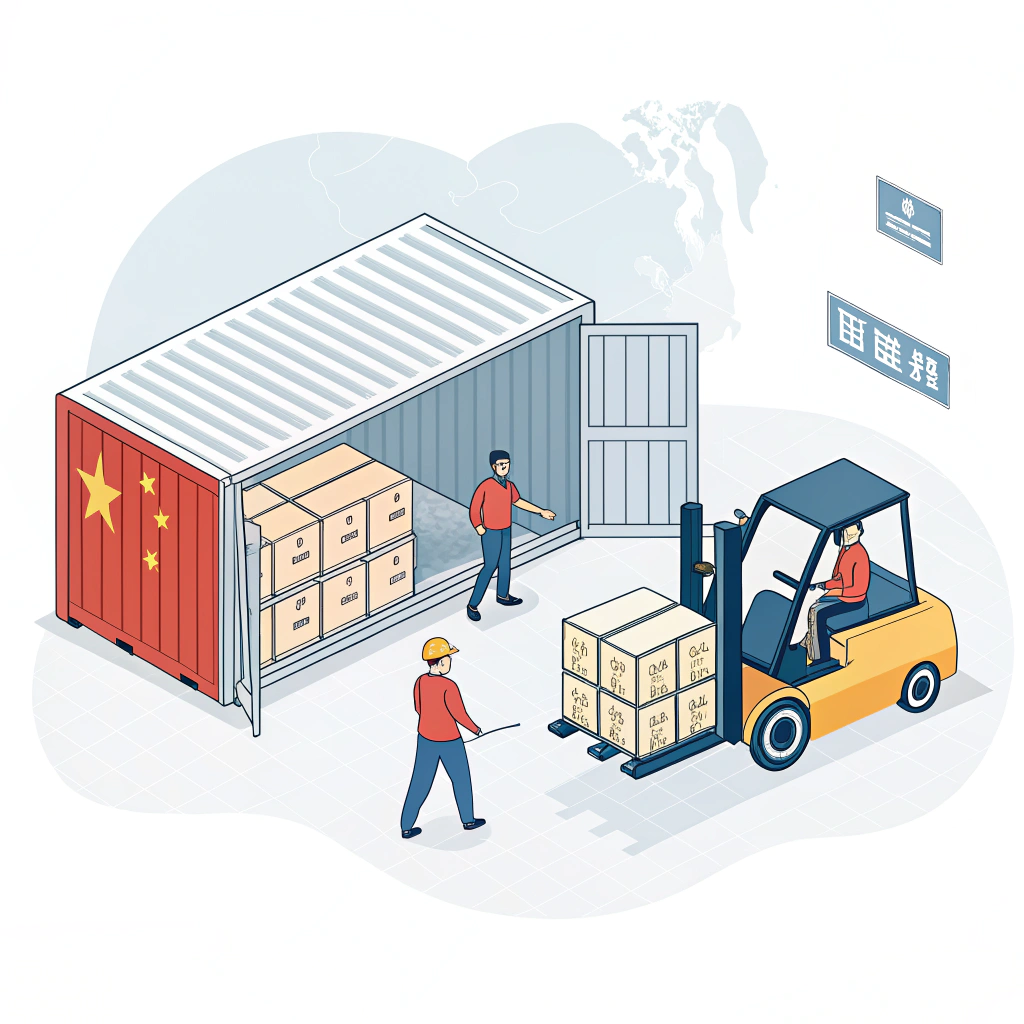
Containers leave the Chinese port and travel via ocean freight to the USA. Transit times typically range from 14 to 30 days depending on routes and scheduling.
- Popular routes: Shanghai to Los Angeles (West Coast), Ningbo to New York (East Coast).
- Freight forwarders provide online cargo tracking to monitor shipment progress.
- During transit, maintain clear communication with your forwarder and warehouse teams at destination.
Upon arrival at a U.S. port, your container must clear U.S. Customs and Border Protection (CBP)5.
- Forwarders or licensed customs brokers submit import declarations and pay duties, tariffs, and fees.
- Provide all required documents including B/L, invoice, packing list, and ISF confirmation.
- Address any CBP inspections or requests promptly to avoid demurrage charges.
Efficient customs clearance minimizes time at the port and extra costs.
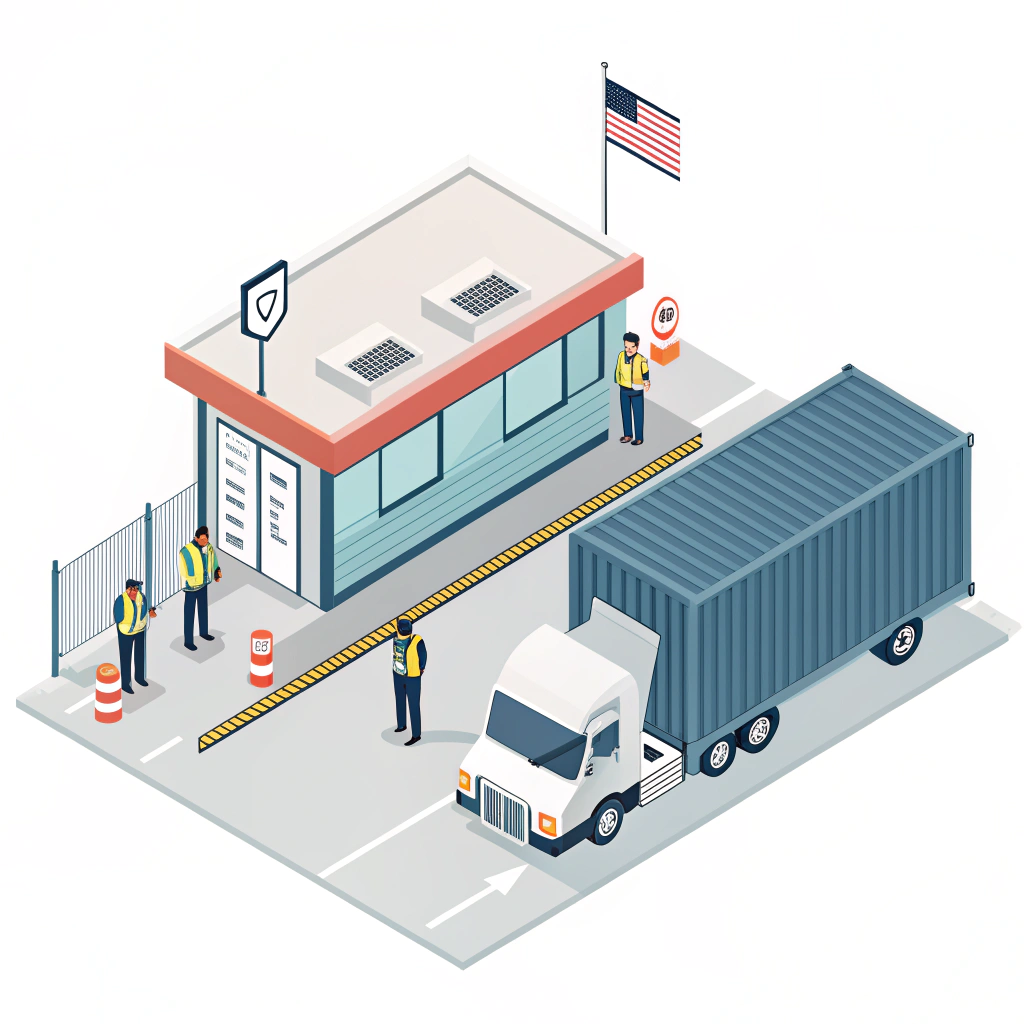
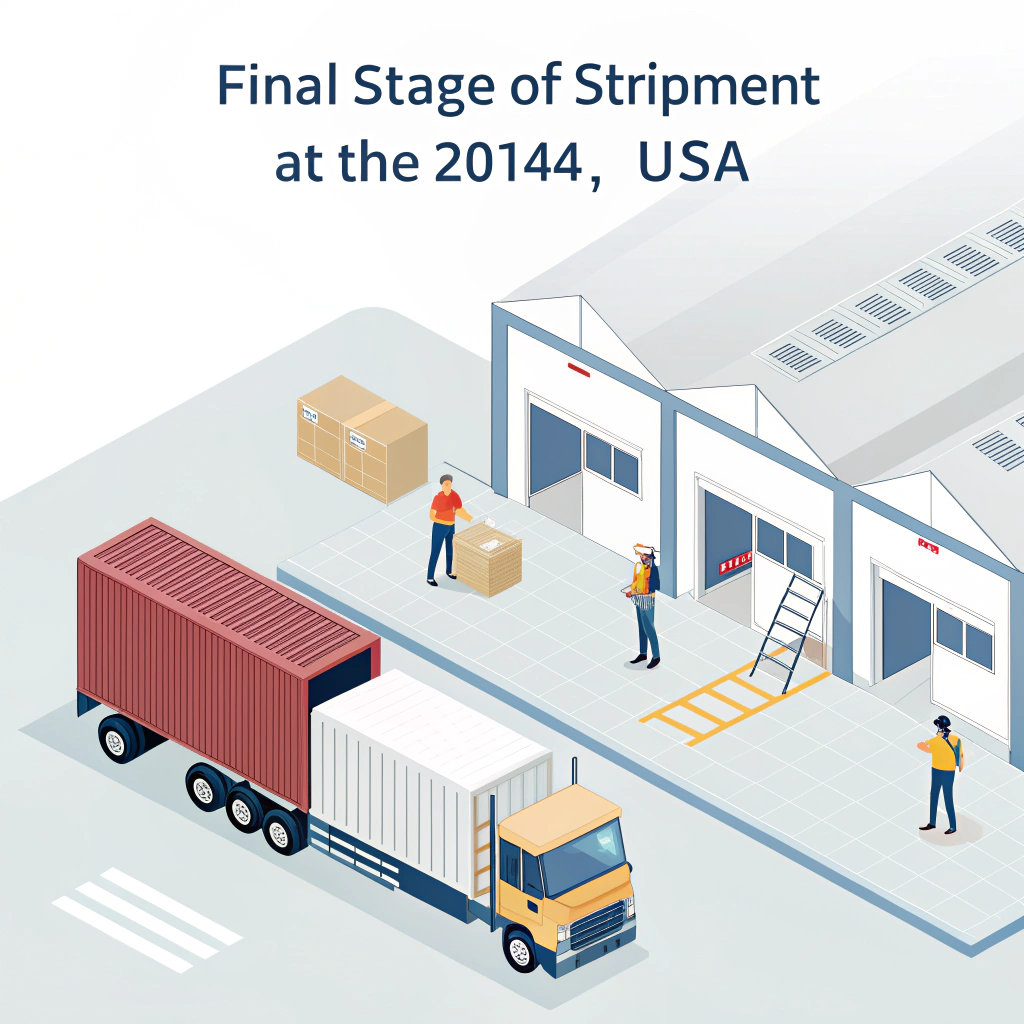
After customs clearance, arrange inland trucking or rail transport to your warehouse or customer location.
- Freight forwarders often coordinate door-to-door delivery, including unloading and customs inspections.
- Make sure warehouse teams are prepped for receiving cargo on time.
- For LCL shipments, cargo may be deconsolidated and delivered as separate packages.
Complete tracking and coordination ensure seamless last-mile delivery.
| Topic | Advice |
|---|---|
| Freight Insurance | Always insure your cargo to protect against loss or damage during transit. |
| Cargo Consolidation | Use freight forwarders’ consolidation services to reduce LCL costs and improve efficiency. |
| Shipping Schedule | Book shipments well ahead of peak seasons (e.g., pre-holiday) to avoid delays. |
| Compliance Updates | Stay updated with customs regulations in China and the U.S. to prevent compliance issues. |
| Communication | Maintain open communication with your freight forwarder for timely issue resolution. |
A mid-sized apparel company shipped 40-foot FCL containers monthly from Shenzhen to Los Angeles using our full forwarding services. By consolidating shipments and handling customs brokerage in-house, they reduced transit delays by 20% and overall shipping costs by 15%. This integrated approach improved inventory turnover and customer satisfaction.
Shipping a container from China to the USA requires careful planning, professional freight forwarding partners, and compliance with regulations. The key steps involve:
- Selecting the right container type and size.
- Booking with a reputable freight forwarder.
- Preparing accurate and complete documentation.
- Coordinating pickup, loading, and inspections in China.
- Tracking ocean transit closely.
- Ensuring smooth U.S. customs clearance.
- Managing final inland delivery efficiently.
As you plan your shipments, work with experienced freight forwarders who offer end-to-end support, freight consolidation, customs brokerage, and transparent pricing. This reduces risk, saves costs, and streamlines your supply chain from origin to destination.
Q1: How much does it cost to ship a full container from China to the USA?
The cost of shipping a full container depends on size and market conditions. Typically, for 2025, a 20-foot container costs between $2,000 and $3,500, while a 40-foot container may range from $3,500 to $6,000. These rates fluctuate based on factors like fuel surcharges, seasonal demand, and shipping routes.
Q2: How to ship a container from China?
The recommended method is sea freight, either Full Container Load (FCL) or Less Than Container Load (LCL). Sea freight is the most economical choice for large shipments such as machinery, raw materials, and bulk products. Choosing FCL ensures lower per-unit cost if you can fill the container, while LCL suits smaller volumes.
-
Full Container Load (FCL): Reading this article helps you understand the benefits and logistics of renting an entire container exclusively, which reduces handling risks and can lower costs for large shipments. ↩ ↩
-
Less Than Container Load (LCL): This article explains how sharing container space with other shipments works, its cost implications, and when it is the best choice for smaller volume cargo. ↩ ↩
-
Freight Forwarder: Learn about the role of freight forwarders in managing shipments, negotiating rates, coordinating logistics, and handling customs to simplify international trade. ↩ ↩
-
BAF (Bunker Adjustment Factor): Understand what BAF is, how it affects freight charges due to fluctuating fuel costs, and why it matters for budgeting shipping costs. ↩ ↩
-
U.S. Customs and Border Protection (CBP): Explore the functions of CBP in import clearance, documentation requirements, and inspections to ensure compliance and avoid delays or penalties. ↩ ↩