Skip to content
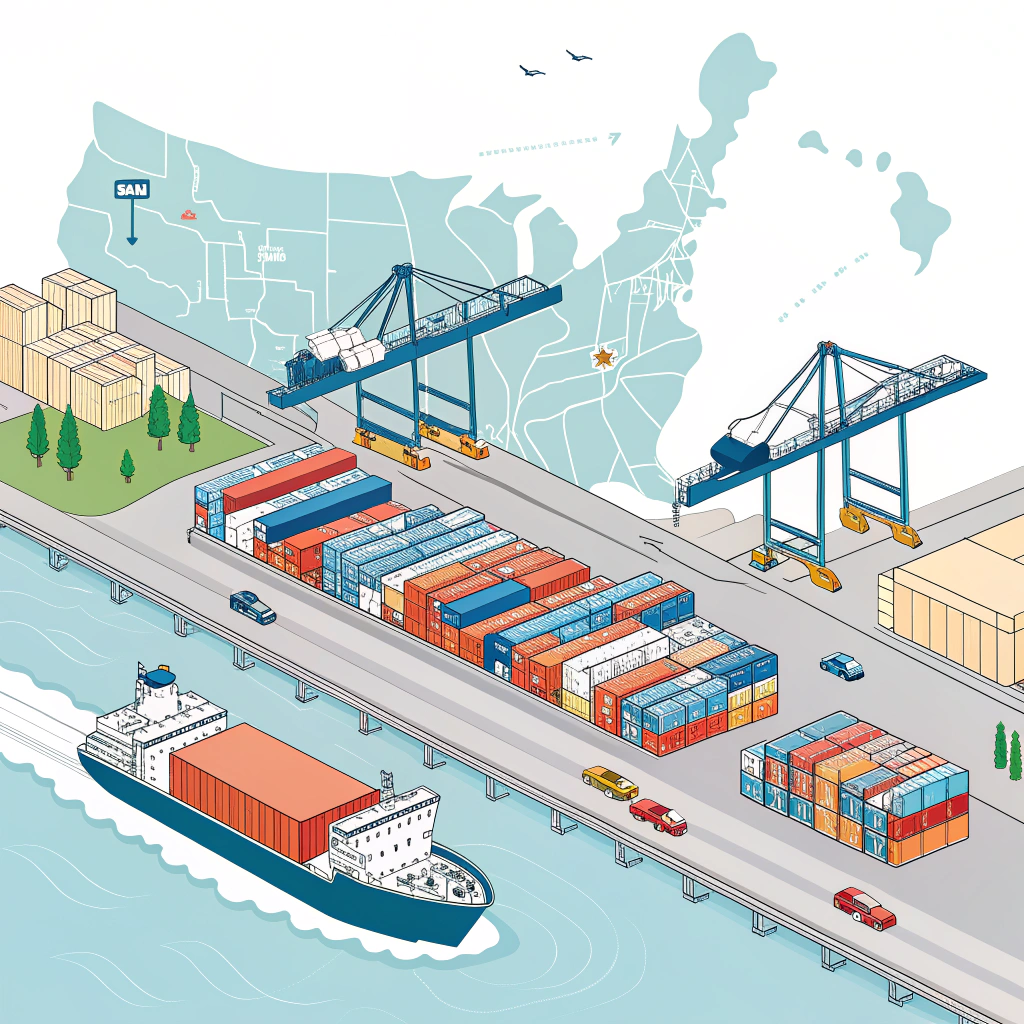
The United States hosts several vital seaports that serve as critical gateways for international cargo shipments, shaping global supply chains and logistics flows. The top 10 U.S. ports lead in container volume, throughput capacity, and intermodal connectivity, enabling efficient cargo import and export. These ports differ by geographic location, infrastructure capabilities, and transportation links, impacting shipping costs, transit times, and reliability for international buyers. This article provides a comprehensive overview of these major ports to guide procurement and logistics professionals in making informed decisions about their cargo routing and supply chain design.
U.S. seaports function as critical nodes in global logistics, handling millions of Twenty-foot Equivalent Units (TEUs1) – the standardized shipping container measurement – annually. The selection of an optimal port is not only about proximity but also about capacity, customs processes, port congestion, and inland transportation connectivity. Given the diversity of goods imported to the U.S. and the scale of economic activity, knowing the leading ports can directly influence cargo flow efficiency and cost control.
The following list highlights the top 10 busiest U.S. ports by container throughput and describes their key strengths relevant to global logistics and international purchasing:
| Rank | Port Name | Location | Approx. 2023 TEUs (Millions) | Key Features |
|---|---|---|---|---|
| 1 | Port of Los Angeles | California | 9.91 | Largest U.S. port, extensive intermodal rail & trucking, advanced tech for customs clearance |
| 2 | Port of Long Beach | California | 9.13 | Second largest, deep-water harbor, efficient port operations, adjacent to Los Angeles |
| 3 | Port of New York & New Jersey | New York/New Jersey | 9.49 | East Coast gateway, excellent rail and truck access, proximity to major metropolitan markets |
| 4 | Port of Savannah | Georgia | 5.89 | Fastest growing, major container terminal expansions, excellent inland connections to Southeast markets |
| 5 | Port of Virginia (Norfolk) | Virginia | 3.8 | Deepest harbor on East Coast, 24/7 operations, strong intermodal rail services |
| 6 | Port of Houston | Texas | 3.6 | Largest Gulf Coast port, significant bulk and container capacity, energy sector specialization |
| 7 | Port of Seattle-Tacoma | Washington | 3.5 | Northwest U.S. gateway, strong Pacific Rim trade, efficient cargo handling systems |
| 8 | Port of Oakland | California | 2.7 | Bay Area hub, environmentally progressive operations, rail-connected inland routes |
| 9 | Port of Charleston | South Carolina | 2.6 | Strategically positioned for Southeast markets, recent terminal upgrades |
| 10 | Port of Miami | Florida | 1.1 | Major gateway for Latin America, cruise and cargo diversified operations |
-
West Coast Ports (LA, Long Beach, Oakland, Seattle-Tacoma): Dominant for trade with Asia, these ports serve as the primary entry points for goods originating from China, Japan, South Korea, and other Pacific Rim countries. Their proximity to major manufacturing centers and superior intermodal rail links enable rapid inland distribution to the U.S. heartland.
-
East Coast Ports (NY/NJ, Savannah, Virginia, Charleston): These ports excel at serving Europe, Africa, and Latin America routes. Their closeness to dense consumer markets and well-developed rail and highway infrastructure offer inland access to the Eastern U.S. and Midwest.
-
Gulf Coast Ports (Houston, Miami): Focus on energy cargo, Latin American trade, and agricultural exports and imports. The Gulf ports provide unique advantages for routing cargo to Southern U.S. regions and South America, often avoiding West or East Coast port congestion.
Container throughput, measured in TEUs, reflects port activity volume and can signal capacity constraints or efficiency. Higher throughputs need advanced infrastructure:
| Port | Annual Container Volume (2023) | Total Acreage | Vessel Calls per Year | Employment Impact |
|---|---|---|---|---|
| Los Angeles | 9.91 million TEUs | 7,500 acres | 1,867 | Over 1.6 million |
| Long Beach | 9.13 million TEUs | 3,200 acres | 1,200+ | 300,000+ |
| New York/New Jersey | 9.49 million TEUs | 8,000 acres | 1,500+ | 400,000+ |
| Savannah | 5.89 million TEUs | 1,700 acres | 700+ | 120,000+ |
These ports utilize state-of-the-art cargo handling equipment2, including automated cranes and digital customs pre-clearance systems, to speed processing and reduce dwell times, vital for keeping supply chains fluid.
One key factor influencing port choice is intermodal transportation3 capabilities—the seamless transfer of cargo between ships, trucks, and trains. For example:
-
Port of Los Angeles: Boasts one of the most extensive intermodal rail yards in North America. Two major railroads, BNSF and Union Pacific, operate double-stack container trains that speed shipments inland, reducing truck congestion and transit times.
-
Port of Savannah: Recent investments in inland port infrastructure and rail expansion have boosted its capacity to move containers into the Southeast and Midwest efficiently.
-
Port of New York/New Jersey: Excellent highway and rail network; home to the largest on-dock rail terminal on the East Coast.
This integration minimizes the "last mile" friction, lowering freight costs and improving delivery reliability.
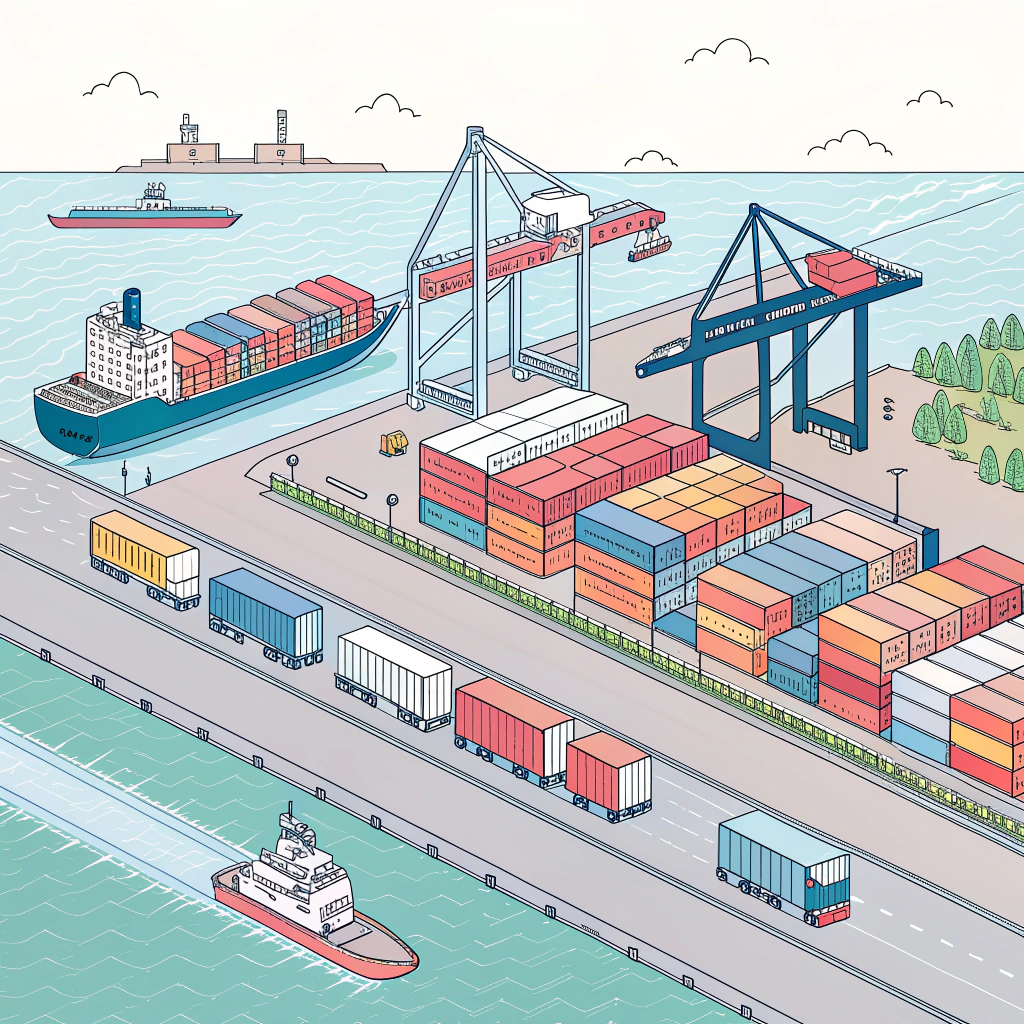
Efficient customs brokerage4 services at these ports ensure timely inspection and clearance, avoiding costly delays. Many ports have integrated customs facilities and partnerships with freight forwarders and 3PLs to facilitate rapid trade processing. Warehousing near or within port zones supports cargo consolidation, distribution, and just-in-time inventory strategies important for international buyers.
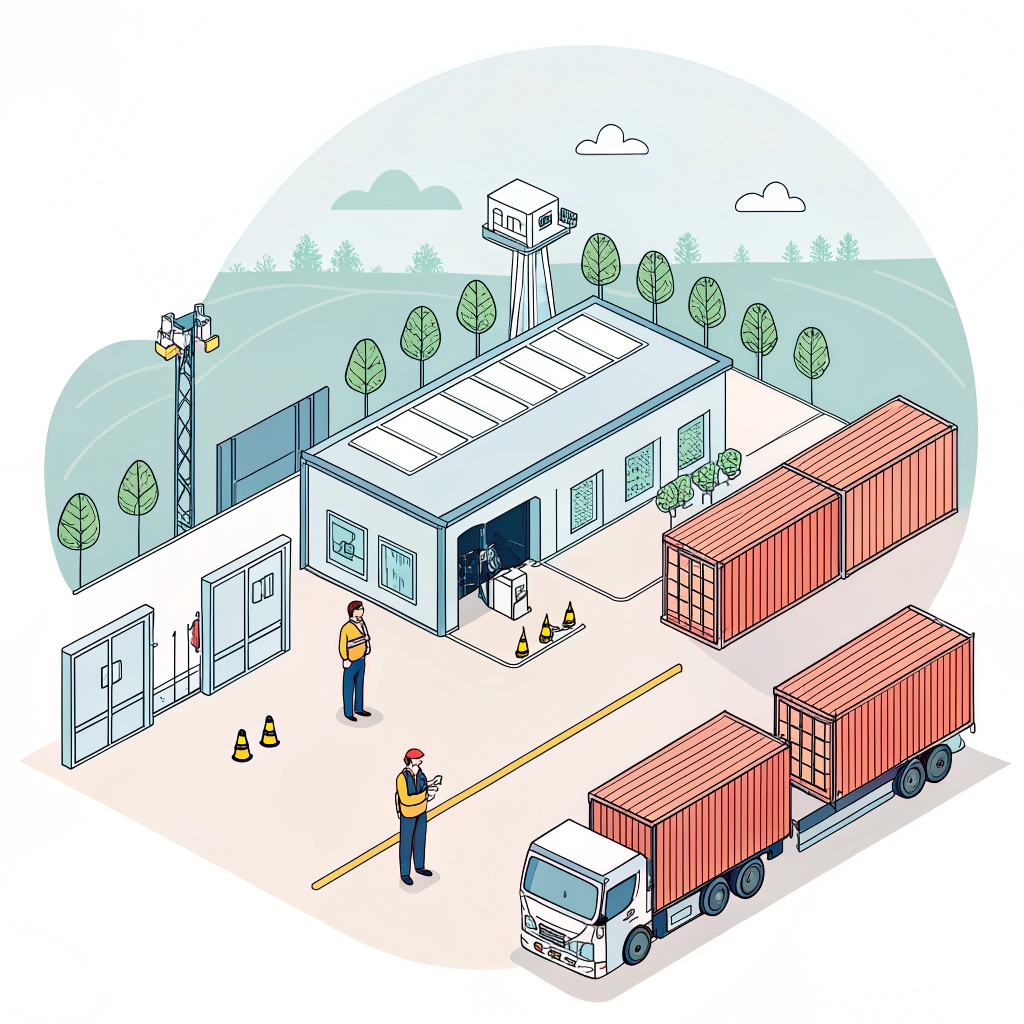
Recent years underscored the importance of selecting ports not just on volume or proximity but based on congestion levels and flexibility. For example:
-
The Ports of Los Angeles and Long Beach, though busiest, sometimes face peak congestion causing delays.
-
Alternative options like Port of Savannah or Port of Virginia have gained favor due to capacity expansion projects and smoother inland logistics.
International buyers can benefit from multi-port strategies or working with freight forwarders offering port consolidation services to optimize supply chain resilience.
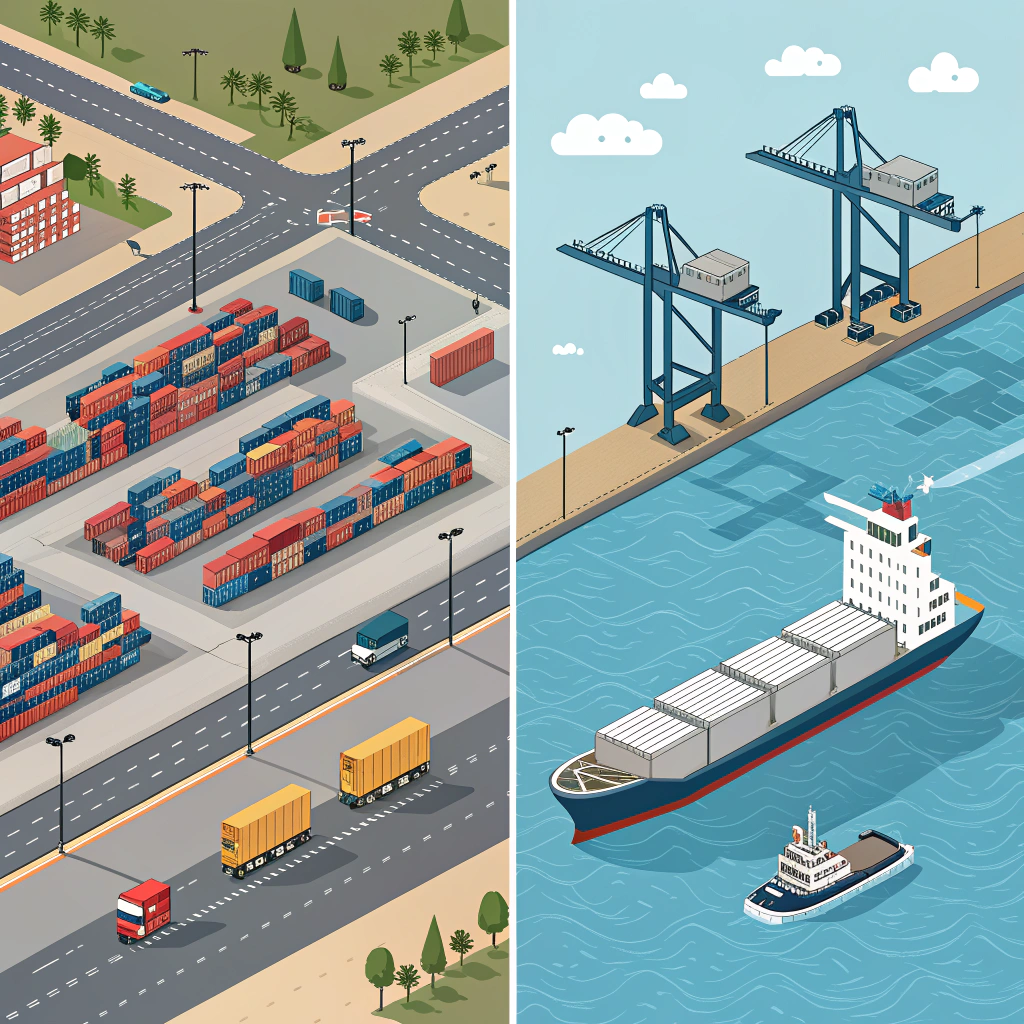
Understanding the top U.S. ports’ capabilities5 is essential for international buyers aiming to optimize their cargo flow into the U.S. when planning import logistics. Factors like throughput capacity, intermodal transportation, customs efficiency, and port congestion should guide your port selection.
-
For Asian imports, West Coast ports (LA, Long Beach, Oakland) usually offer the fastest ocean transit but may face congestion.
-
On the East Coast, NY/NJ and Savannah provide excellent access to large consumer markets with less crowding and growing infrastructure.
-
Gulf Coast ports serve niche trade lanes and offer alternative routing to Southern U.S. and Latin America.
Partnering with a knowledgeable freight forwarder who understands these nuances can make a direct impact on shipment visibility, cost, and delivery time.
What is the largest US port for international cargo?
The Port of Los Angeles is the largest U.S. port for international cargo and the busiest seaport in the Western Hemisphere. It spans 7,500 acres along 43 miles of waterfront in San Pedro Bay and handles a container volume exceeding 9.9 million TEUs annually, supported by extensive infrastructure and logistics operations.
Where are the top 5 shipping ports in the US located?
The top five U.S. shipping ports by container volume in 2023 are located as follows:
- Port of Los Angeles, California
- Port of Long Beach, California
- Port of New York and New Jersey
- Port of Savannah, Georgia
- Port of Virginia, Norfolk
These ports are geographically distributed along the West Coast, East Coast, and Southeast, serving different trade lanes and markets.
Which US port has the highest number of shipments handled?
The Port of Los Angeles leads the U.S. in shipments handled, managing about 10.66 million TEUs annually. It also moves around 222 million metric tons of cargo in total tonnage, emphasizing its role as the nation’s primary gateway for imports from Asia, mainly China and Hong Kong, Japan, and South Korea.
-
TEUs: Reading about TEUs helps understand the standard measurement unit for containerized cargo volume, which is crucial for comparing port capacities and logistics planning. ↩ ↩
-
State-of-the-art cargo handling equipment: Learning about modern cargo handling technologies, like automated cranes and digital systems, offers insights into how ports improve efficiency and reduce delays. ↩ ↩
-
Intermodal transportation: Exploring intermodal transport reveals how integrating ships, trucks, and trains optimizes cargo movement, reduces costs, and speeds delivery. ↩ ↩
-
Customs brokerage: Understanding customs brokerage services shows the crucial role of regulatory compliance and expedited cargo clearance in international trade. ↩ ↩
-
Top U.S. ports’ capabilities: Reviewing the comprehensive capabilities of leading U.S. ports helps buyers make strategic decisions to optimize logistics based on throughput, connectivity, and operational efficiency. ↩ ↩