Skip to content
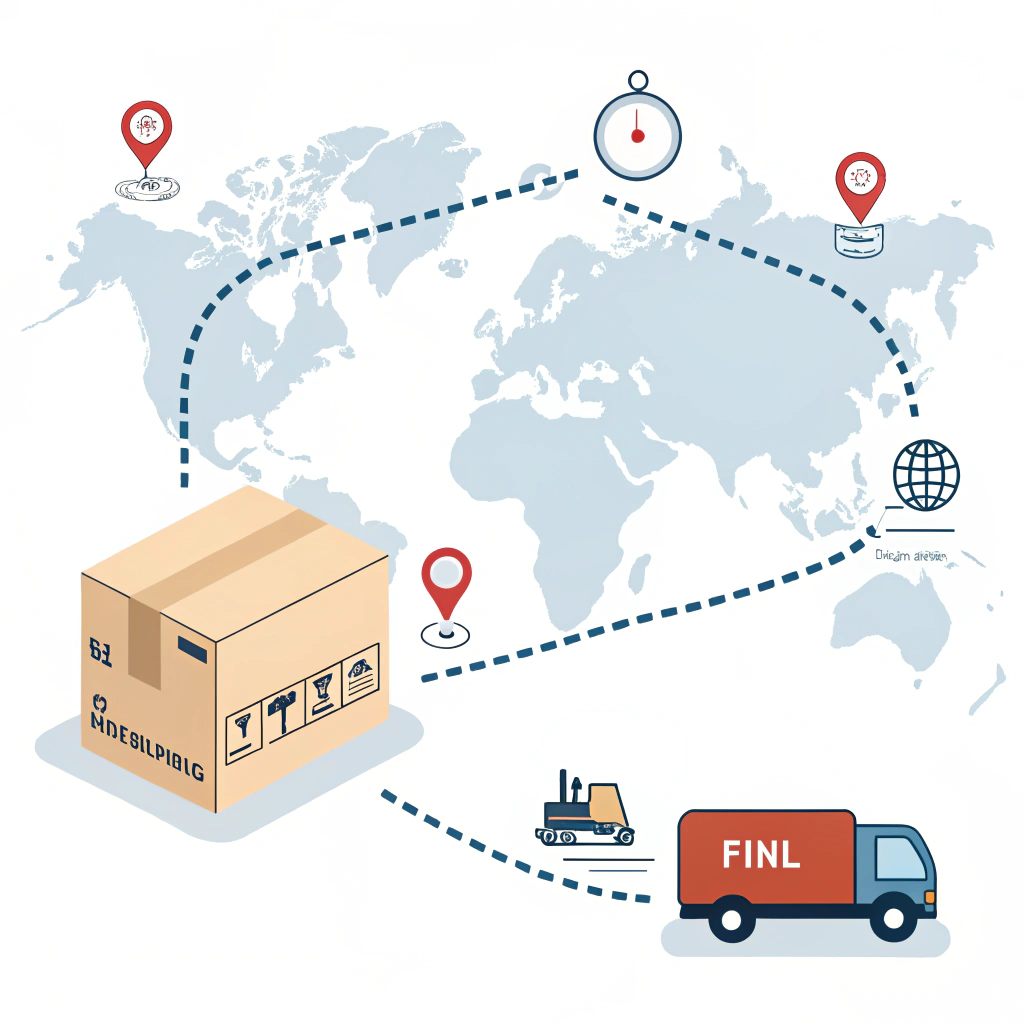
Understanding the top UPS tracking statuses is essential for managing international shipments efficiently. These statuses provide visibility into shipment progress, identify potential delays, and help logistics professionals make informed decisions to keep their supply chain1 running smoothly.
For businesses importing goods internationally, especially from China, monitoring UPS tracking statuses is a daily task. Each update from UPS is a piece of the shipment journey puzzle. Yet, without a clear understanding of what these statuses actually mean, logistics managers risk misinterpreting the shipment's condition and may delay critical operational responses.
This article decodes the Top 10 UPS Tracking Statuses typically seen in international shipments. We explain the meaning behind each status, why it appears, and how you can use this information to optimize your supply chain1 performance.
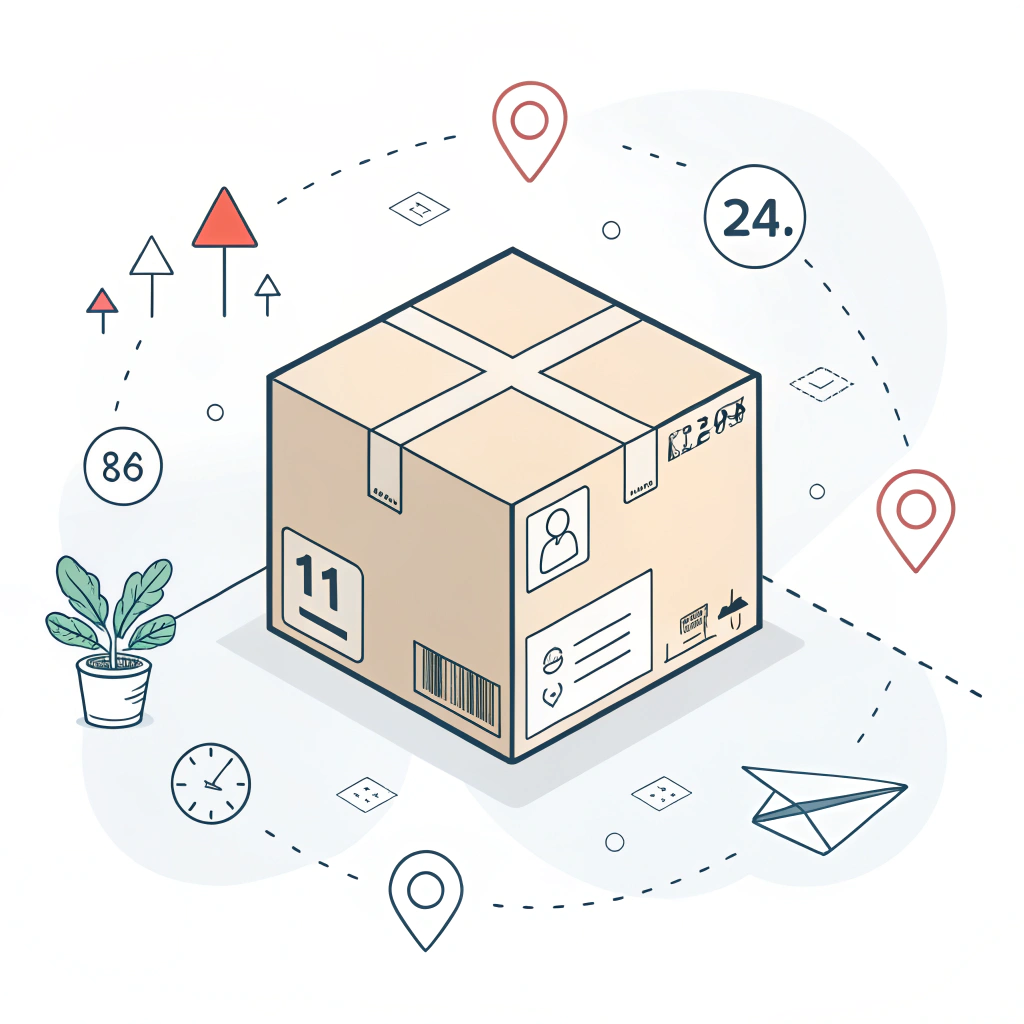
What it means: UPS has received the shipment information, such as package weight, dimensions, and billing details, but the actual parcel has not been handed over yet.
Why it matters: At this stage, your shipment is documented but not yet in UPS’s possession. It signals the beginning of the UPS tracking process.
Action tip: Confirm with your shipping partner or warehouse the package pickup time to ensure alignment with the shipping schedule.
What it means: UPS has physically received the package from the sender, and it is now in transit within the UPS network.
Why it matters: This is the first physical movement indicator and confirms your shipment has officially entered the UPS system.
What it means: The shipment is moving through UPS facilities en route to the destination. Each facility update indicates progress via UPS sorting hubs or customs processing centers2.
Why it matters: These updates provide transparency throughout the transit process and are key to estimating delivery timelines.
Potential delays: Customs clearance or regional operational slowdowns can prolong stays at facilities.
What it means: The shipment is undergoing customs inspection3 either at the origin, destination, or a transit country.
Why it matters: Customs clearance can be a bottleneck that causes extended hold times. It’s vital for international shipments to have accurate documentation to minimize clearance delays.

What it means: The package has left the local UPS facility and is on the delivery vehicle en route to the final destination.
Why it matters: This status indicates the shipment will be delivered that business day, barring unforeseen issues.
What it means: The shipment has reached the recipient or the designated delivery location.
Additional notes: Sometimes, delivery is made to a reception, security office, or neighbor per delivery instructions.
What it means: A problem has occurred that may delay delivery, such as incorrect address, recipient unavailable, or customs issues.
Why it matters: This status alerts you to take immediate action to resolve the issue, whether by correcting shipment data or contacting UPS support.
What it means: The shipment is being held at a UPS facility or customs due to an issue needing customer intervention, like payment of duties or documentation provision.
Why it matters: Failure to promptly respond could lead to shipment return or extended delays.
What it means: The shipping label was voided, and the shipment may have been canceled or postponed.
Why it matters: Confirm the status with your logistics provider to avoid missed shipments.
What it means: A previously reported delivery exception has been resolved, and the shipment is back in the shipping process.
Why it matters: This status signals positive progress after resolving issues, improving delivery certainty.
| Status | Meaning | Action Required |
|---|---|---|
| Label Created | Shipment data received, no package yet | Confirm pickup readiness |
| Picked Up | UPS has the package | Track transit progress |
| In Transit/Facility | Package moving through UPS network | Monitor for delays |
| Customs Clearance | Undergoing customs processing | Ensure documentation accuracy |
| Out for Delivery | On delivery vehicle for final delivery | Prepare recipient or site |
| Delivered | Package delivered | Confirm receipt |
| Delivery Exception | Delivery problem encountered | Investigate and resolve |
| Held at Location | Shipment held, customer input needed | Provide required info or payment |
| Label Cancelled | Shipment plan cancelled | Verify shipment status |
| Exception Cleared | Issue resolved, shipment back in transit | Continue normal monitoring |
- Set up automated alerts: Use UPS tracking notifications or third-party supply chain platforms4 to receive real-time updates, enabling proactive management.
- Prepare customs documents in advance: To prevent clearance delays, ensure all required paperwork is complete and accurate at shipment creation.
- Respond quickly to exceptions: Address delivery exceptions immediately to avoid costly delays or shipment returns.
- Communicate with partners: Share tracking status insights with suppliers and customers to enhance transparency and build trust.
- Leverage freight forwarder5 expertise: Collaborate with experienced freight forwarders like Shenzhen King-Hor Supply Chain Co., Ltd to navigate customs complexities and optimize delivery speed.
UPS tracking typically includes these stages: Label Created (shipment info received), Shipped/On the Way (package accepted and moving in transit), Out for Delivery (package on vehicle for delivery), Delivered (package received), Delivered to UPS Access Point, and Exception (issues affecting delivery). Each stage signals a key point in the shipment's progress and helps stakeholders monitor logistics effectively.
UPS offers several service levels, including Ground (1-5 business days, cost-effective for domestic shipments), UPS Standard, UPS Ground Saver, and UPS Worldwide Saver which typically deliver within 1 to 4 business days for international shipments. Selecting the appropriate service level balances cost, delivery speed, and reliability depending on business needs.
UPS tracking numbers generally start with "1Z" followed by a six-character shipper number, a two-digit service indicator, and eight digits identifying the package. The tracking code helps UPS locate and monitor the shipment within their system, providing detailed shipment history and current status accessible to customers and logistics teams.
-
Supply Chain: Reading this article helps you understand how the coordinated flow of goods, information, and finances can improve business efficiency, reduce costs, and mitigate risks in international trade. Back to "supply chain" ↩ ↩2
-
Customs Processing Centers: Learn about the role of specialized facilities where shipments are sorted and inspected, which impacts delivery times and compliance with import/export regulations. Back to "customs processing centers" ↩
-
Customs Inspection: Discover the importance of the customs examination process, how documentation accuracy affects clearance, and tips to avoid delays and penalties. Back to "customs inspection" ↩
-
Supply Chain Platforms: Explore digital tools that automate tracking, provide analytics, and enhance decision-making capabilities in global logistics operations. Back to "supply chain platforms" ↩
-
Freight Forwarder: Understand the role of intermediaries who manage shipment logistics, including handling documentation, customs clearance, and optimizing transit routes. Back to "freight forwarder" ↩