Skip to content
Understanding CPT Incoterms: What International Buyers Need to Know About ‘Carriage Paid To’
The CPT (Carriage Paid To1) Incoterm is a widely used shipping term in international trade that specifies the seller’s responsibility for arranging and paying for transportation of goods up to a named destination. However, risk transfers to the buyer once the goods are delivered to the carrier, requiring buyers to understand their responsibilities clearly to manage costs, risks, and logistics effectively. This article provides practical insights aimed at international procurement professionals to help navigate CPT terms with confidence in their global sourcing operations.
Carriage Paid To (CPT) is one of the Incoterms® 20202 rules defined by the International Chamber of Commerce. Under CPT, the seller arranges and pays for the carriage of goods to a specified place agreed upon in the sales contract, which can be a terminal, port, or inland destination. This term applies to all modes of transport, including sea, air, road, rail, or multimodal combinations.
The critical feature of CPT is that while the seller pays for transportation costs up to the named place, the risk transfers from seller to buyer the moment the goods are handed over to the first carrier. This makes CPT distinct from terms like CIP or CFR/CIF where insurance or freight responsibilities differ.
Understanding the exact point of risk transfer and cost allocation is essential for buyers to plan insurance coverage, customs clearances, and unloading arrangements properly.
| Responsibility | Seller | Buyer |
|---|---|---|
| Export clearance | Yes | No |
| Main carriage (to named place) | Yes | No |
| Freight cost payment | Yes | No |
| Risk transfer point | At delivery to first carrier | From delivery to first carrier |
| Import clearance and duties | No | Yes |
| Unloading costs at destination | No (unless agreed otherwise) | Yes |
| Insurance | Optional (not required) | Recommended |
- Seller’s Obligations: The seller clears goods for export, books and pays for the transport to the agreed destination, and provides necessary shipping documents to the buyer.
- Buyer’s Obligations: The buyer assumes all risks after goods are handed to the carrier, covers import customs clearance, pays applicable taxes and duties, and bears unloading costs at the destination.
This division helps buyers understand when to step in with customs formalities and cost management.
Under CPT Incoterms, the risk transfers from the seller to the buyer at the point when goods are handed over to the first carrier, regardless of the final destination agreed in the contract.
For example, if the seller ships goods from Shenzhen port and delivers them to a trucking company for international shipment, the buyer assumes the risk once goods are on the truck—even though the agreed destination could be an inland warehouse thousands of kilometers away.
Buyers must ensure risk is adequately insured from this stage, as the seller no longer bears responsibility once the carrier takes custody.
- Cost Predictability: Since the seller pre-pays main carriage costs, buyers receive clear pricing up to the named point without negotiating freight separately.
- Simplified Logistics: Sellers take responsibility for arranging freight, reducing the buyer’s operational burden in the origin country.
- Flexibility: CPT works well with multimodal transport, supporting containers via ocean, air freight, or road transit.
- Risk Clarity: Clear point of risk transfer reduces online disputes about damage liability during transit.
- Import Customs Clearance: Buyers should be prepared to manage import procedures, pay duties or taxes, and handle local compliance at the destination.
- Insurance Coverage: Since risk transfers early, buyers should consider purchasing cargo insurance3 starting at the first carrier pickup point.
- Unloading Responsibilities: CPT does not obligate the seller to unload cargo at the final destination, so clarify who bears these costs.
- Contractual Precision: Agreements should specify the exact named place for carriage paid to avoid confusion or disputes.
- Documentation: Buyers require timely provision of transport documents, such as the bill of lading4 or air waybill, from the seller to claim goods.
| Aspect | CPT | CIP | FOB | CIF |
|---|---|---|---|---|
| Transport Modes | All modes, multimodal | All modes, multimodal | Sea and inland waterway | Sea and inland waterway |
| Seller Freight Payment | Yes | Yes | No | Yes |
| Risk Transfer Point | At first carrier | At first carrier | When goods cross ship's rail | When goods cross ship's rail |
| Insurance | Optional | Seller must insure | Buyer responsibility | Seller must insure |
| Import Clearance | Buyer responsibility | Buyer responsibility | Buyer responsibility | Buyer responsibility |
Buyers should choose according to their risk appetite, insurance needs, and logistics capabilities.
Suppose a European buyer orders electronics from Shenzhen. Under CPT Shenzhen warehouse, the Chinese seller hires a freight forwarder, books sea freight to Hamburg port, and pays all carriage costs to that point.
The risk transfers once the goods are handed over to the freight forwarder in Shenzhen. On arrival in Hamburg, the buyer arranges import customs clearance, pays VAT and duty, and manages unloading from the port to their warehouse.
This setup allows European buyers to control import obligations while leveraging the seller’s strengths in managing complex freight.
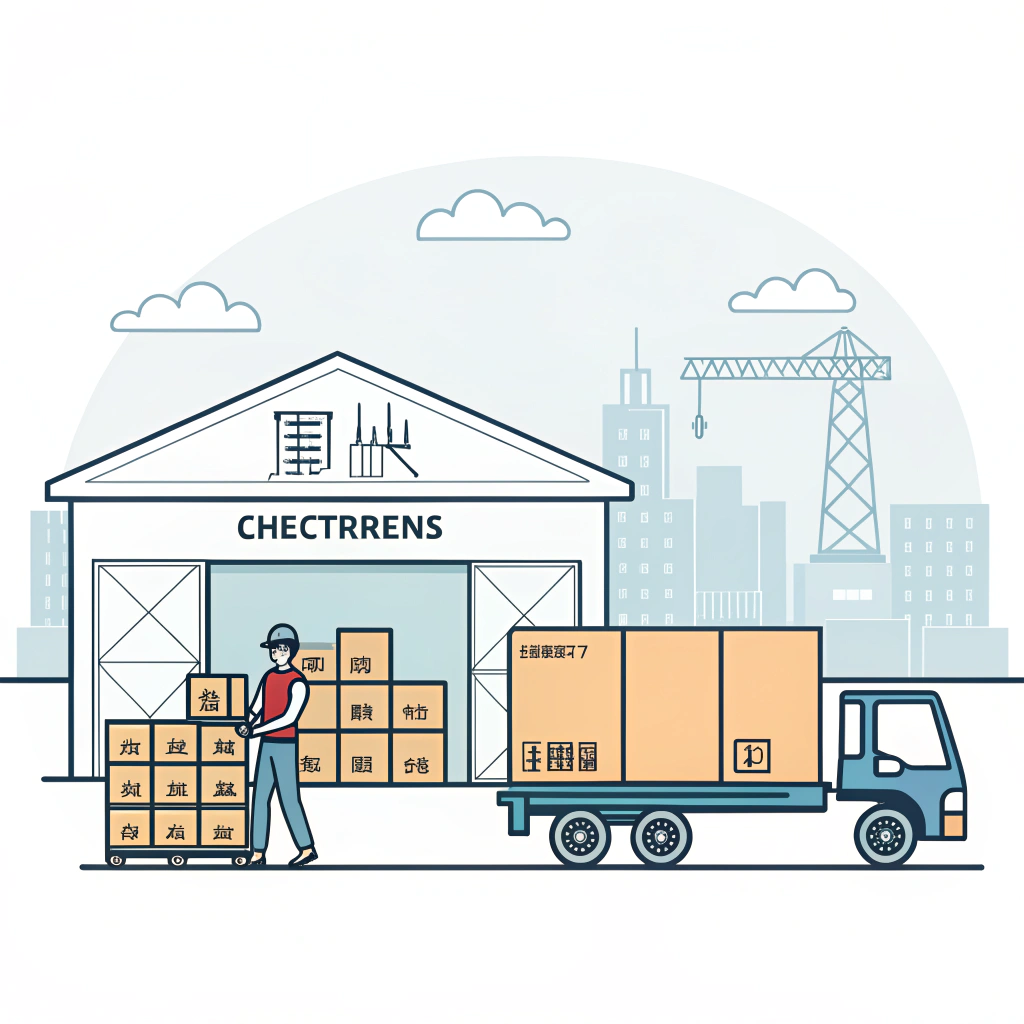
CPT Incoterms offer a balanced approach where sellers handle freight payments and arrangements, but buyers take ownership of the goods’ risk early and manage import duties and local delivery costs.
For procurement and logistics managers, it is critical to:
- Clearly define the named place of delivery in contracts.
- Understand the early risk transfer point and arrange insurance accordingly.
- Budget for import clearance and unloading costs.
- Coordinate with sellers to obtain timely shipping documents.
- Assess whether CPT aligns with your company’s logistics and risk management capabilities or whether alternatives like CIP or DAP are more suitable.
Selecting the right Incoterm can reduce delays, avoid cost overruns, and ensure smooth cross-border transactions.
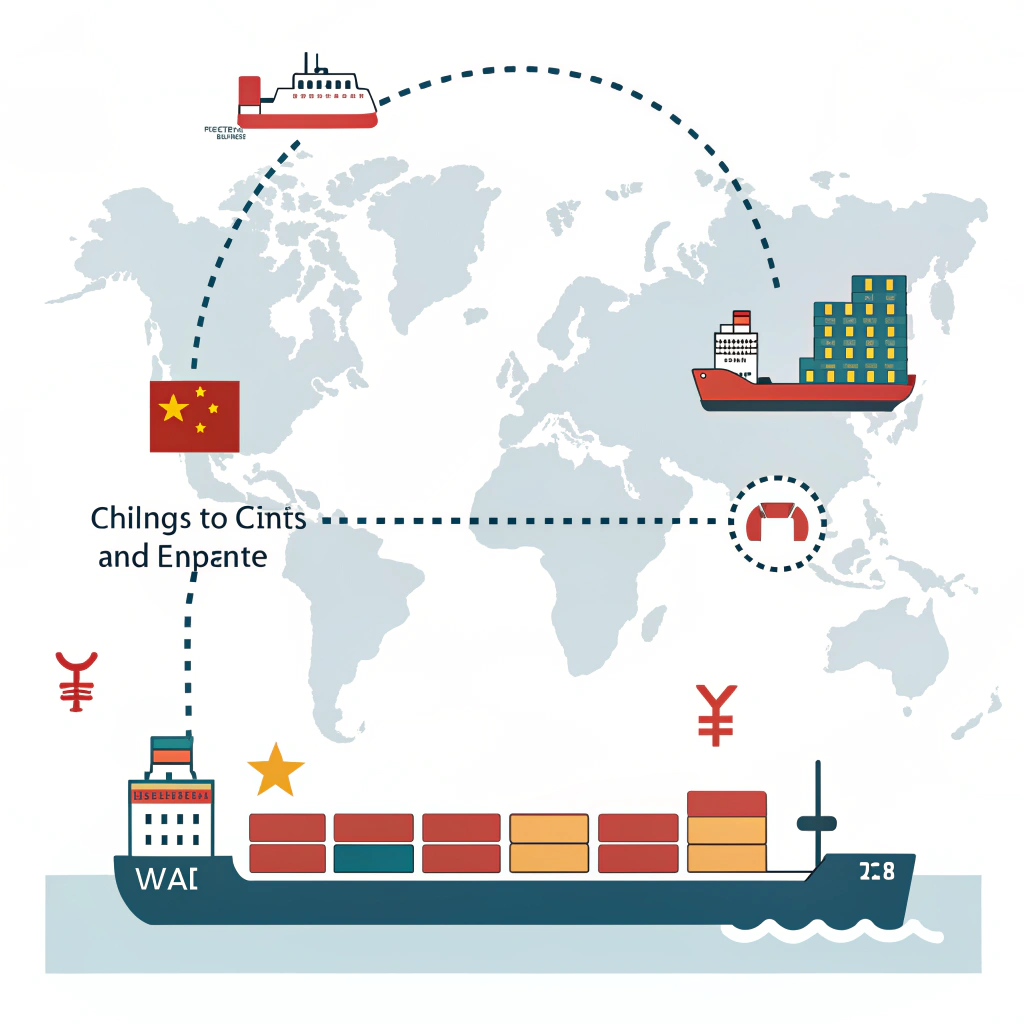
- Engage freight forwarders familiar with CPT rules in China-origin shipments for transparent communication.
- Request detailed freight cost breakdowns from sellers, including inland transport and terminal handling.
- Confirm who is responsible for extra charges (demurrage, customs inspections) to avoid surprises.
- Ensure contracts specify who will handle export and import customs documents.
- Make contingency plans for goods insurance starting from the pick-up point.
By following these steps, international buyers can optimize service levels, minimize risks, and maintain cost control.

What are the buyer's responsibilities under CPT Incoterms?
Under CPT, the buyer is responsible for unloading costs at the destination (unless otherwise paid by the seller), any costs incurred in transit within the buyer’s country, import duties, taxes, and all costs related to import clearance. The buyer also assumes the risk once goods are delivered to the first carrier.
Who pays for CPT Incoterms?
The seller pays for transportation costs to the named destination specified in the contract under CPT Incoterms. This includes export handling, freight charges, and carriage to the agreed place such as a port or buyer’s inland facility.
What is the CPT Incoterms rule?
Under the CPT Incoterms rule, the seller arranges and pays for transportation of goods to a named destination and assumes risks until delivery to the carrier. Once handed over to the carrier, the risk passes to the buyer, who handles import clearance and costs thereafter.
-
Carriage Paid To (CPT): Reading about CPT provides buyers with insights into seller and buyer responsibilities, focusing on transportation costs and risk transfer points in international shipping. Back to text ↩
-
Incoterms® 2020: Understanding the official set of International Commercial Terms published by the International Chamber of Commerce helps readers grasp global shipping and trade contract standards. Back to text ↩
-
Cargo Insurance: Learning about cargo insurance informs buyers how to protect their goods financially during transit, especially since risk transfers early under CPT. Back to text ↩
-
Bill of Lading: Exploring the bill of lading explains this critical shipping document's role in the transfer of goods ownership, proof of shipment, and customs clearance. Back to text ↩