Skip to content
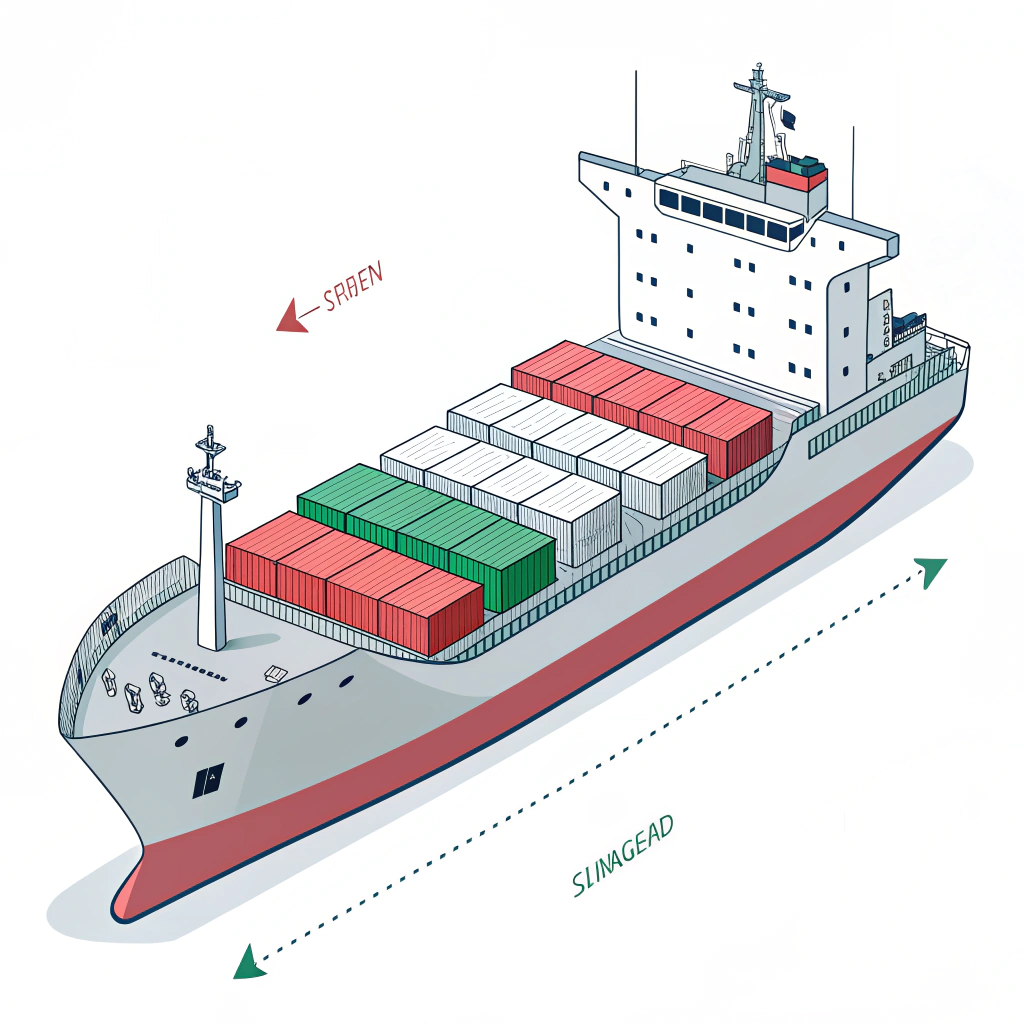
Ships use “port” and “starboard” so crews and partners always mean the same side of the vessel, no matter which way a person is facing. If you face the bow (front), port is the left side and starboard is the right side. These terms are fixed and do not change with your orientation. They align with global standards like the COLREGs1: port is shown with a red navigation light, starboard with a green light. For global shippers, using port/starboard in instructions, manifests, and terminal handoffs prevents costly mistakes during loading, pickup, and berthing.
What “Port” and “Starboard” Mean (and Why They Don’t Change)
- The basics:
- Bow: the front of the ship.
- Stern: the back of the ship.
- Port: the ship’s left side when you face the bow.
- Starboard: the ship’s right side when you face the bow.
- Why not “left” and “right”? Left/right changes depending on where a person stands or looks. Port and starboard are ship-fixed directions tied to the bow, so crews, pilots, terminals, and shippers use the same language in every situation.
- Where the words come from:
- Starboard comes from “steer-board,” the right-side steering oar on early boats.
- Port is the side they brought to the port (harbor) to avoid crushing the steering oar—so the harbor side became “port.”
How to Identify Port and Starboard on a Real Vessel
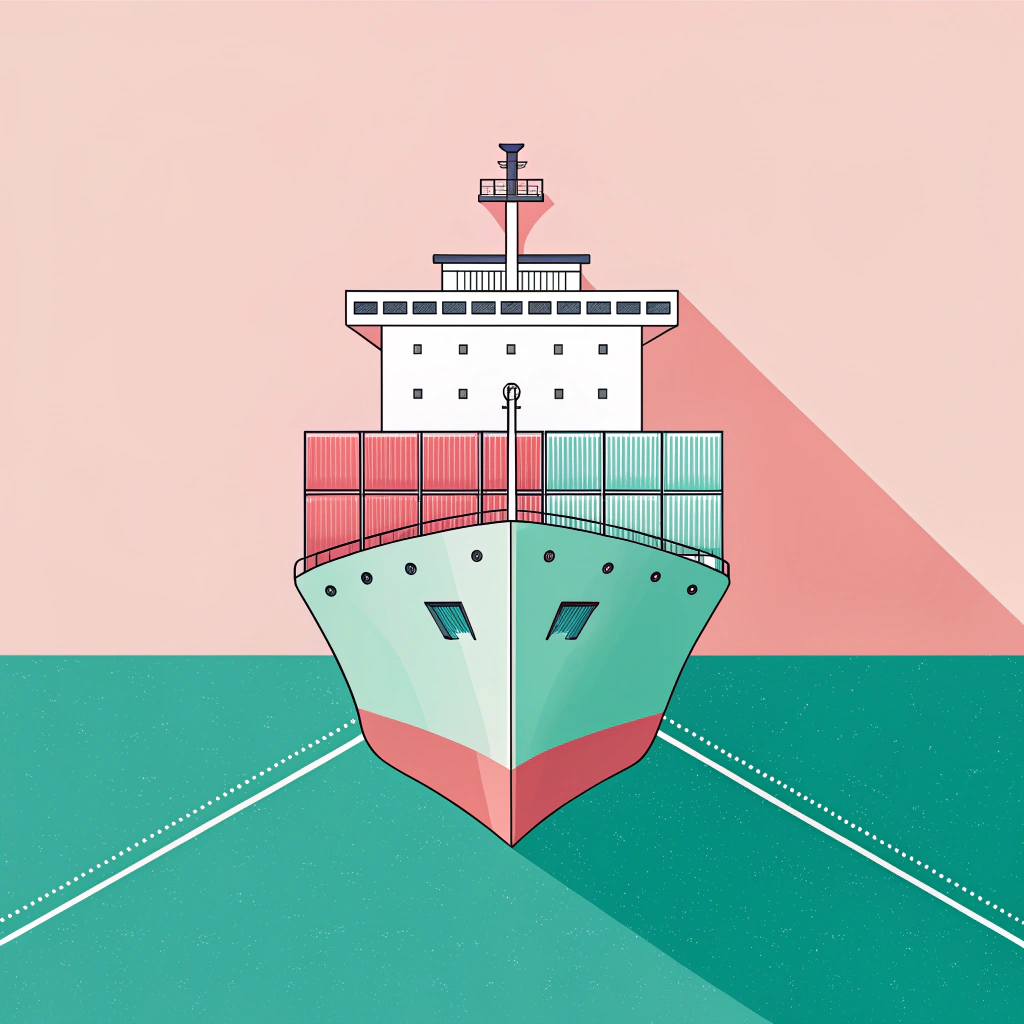
- Navigation lights: red for port, green for starboard. At night, this tells other vessels which side they see and how the ship is moving.
- Painted or marked areas: many ships mark “P” (port) and “S” (starboard) on decks, ladders, and equipment.
- Bridge/helm commands: officers use “Port 10” or “Starboard 20” to order rudder angles. The words never mean “turn left/right,” they mean “apply rudder to the port/starboard side.”
- On the quay: pilotage2 and berthing plans often say “port side to berth” (the ship’s port side will be against the pier) or “starboard side to berth.”
Quick visual cues for teams and drivers:
| Cue | Port (Left) | Starboard (Right) | Where You See It |
|---|---|---|---|
| Navigation light | Red | Green | Bow and sides at night |
| Deck markings | P or “PORT” | S or “STBD” | Decks, ladders, access points |
| Berthing note | “Port side to” | “Starboard side to” | Arrival message, pilot’s plan |
| Walkie talkie shorthand | “Port” | “Starboard” | Yard, lashing teams, crew radios |
Why These Terms Matter for Global Shippers
- Precision in loading and stowage
- Balanced stowage reduces risk. Heavy boxes spread across port vs. starboard keeps the vessel stable. Lashing teams follow a stowage plan3 with bay/row/tier coordinates that assume consistent side language.
- Example: “Load 4 pallets DG Class 3 into Bay 18, Tier 02, port side” is clear to the ship team anywhere in the world.
- Clean paperwork and manifest instructions
- Using port/starboard in pickup notes and discharge instructions cuts errors between forwarders, terminals, and trucking teams.
- Example wording: “Discharge port side only; stage at shore-facing lane 4.” This tells the terminal which side to offload and where to stage cargo for trucks.
- Faster pilotage and berthing
- Pilots plan tug orders and mooring lines with side-specific commands. “Port side to berth” sets how lines are run and where gangways go.
- If your consignee needs shore power or specialized equipment, noting the side helps the terminal pre-position gear.
- Clear bridge commands and communication protocols
- Crew speak in “port/starboard,” not left/right, to avoid misunderstandings under pressure.
- You won’t give helm orders as a shipper, but understanding the language helps you read captain’s notices, arrival messages, and stowage diagrams.
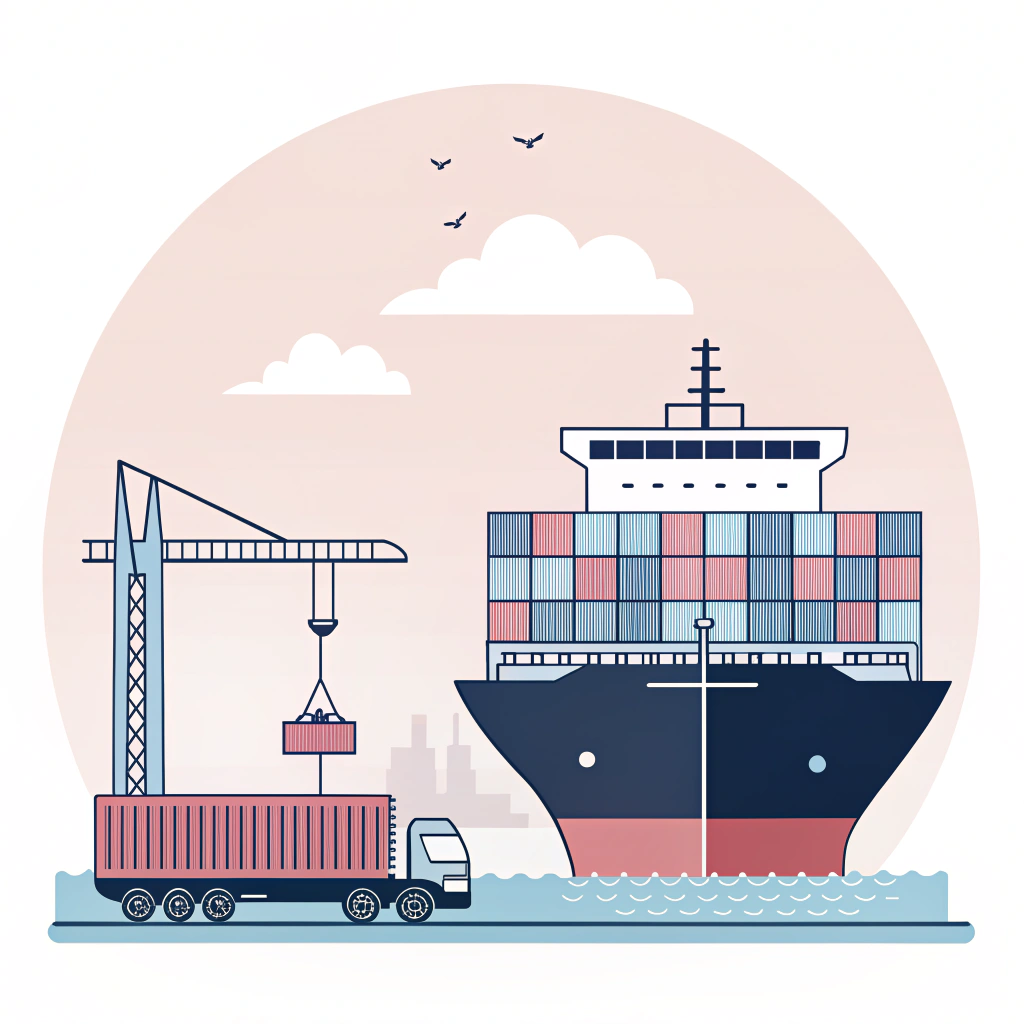
Practical Scenarios: Say It This Way
- Ro-Ro (roll-on/roll-off) cargo
- “Deliver to Deck 2, lane 5, starboard side.” Tells drivers exactly which lane and side to use inside the vessel.
- Container discharge
- “Unhook and stage port side, row 3, near reefer rack.” Reduces hunting time for reefer plugs and inspections.
- Project cargo lift-on/lift-off
- “Crane pick from quay, place midships, starboard side for lashings.” Aligns crane movements with lashing teams.
- Truck gate instructions
- “Use Dock B; queue on the port-facing side.” If a dock is labeled relative to the vessel, this avoids crossed traffic.
How Confusion Creates Cost
- Wrong-side pickup
- A driver waits on the wrong side of the yard because someone wrote “left” instead of “port.” The truck misses its slot, gets charged waiting time.
- Mis-stow or mis-lash
- Heavy cargo loaded too far to starboard because “right side” was misread. Result: rework, delay, and potential safety findings.
- Berthing delay
- A pre-arrival note says “left side to berth.” The pilot wants “port side to berth” and asks for confirmation, slowing the approach and tug assignment.
Common mistake, impact, and how to prevent it:
| Mistake | Operational Impact | Prevention |
|---|---|---|
| Using “left/right” in instructions | People face different ways; truck queues or gear staged on wrong side | Always say “port/starboard” and reference the bow |
| Not specifying side for discharge | Re-handling and terminal congestion | Write “Discharge port side” or “Discharge starboard side” in booking notes |
| Ignoring navigation light cues at night | Misidentifying vessel heading | Train teams: red=port, green=starboard; confirm with AIS4/terminal |
| Ambiguous dock notes | Missed time slots | Add a sketch and side labels; repeat in both text and diagram |
| No cross-check with stowage plan | Weight imbalance or lashing errors | Match your PO/SO to the ship’s bay/row/tier with side callouts |
Five-Minute Orientation Drill for Teams
- Stand on the quay and point to the bow and stern of a berthed vessel.
- Say out loud: “Facing the bow, port is left, starboard is right.” Repeat three times.
- Find the navigation lights on safety posters; memorize red=port, green=starboard.
- Read a sample stowage plan. Identify one port-side and one starboard-side bay.
- Rewrite any “left/right” notes in your SOPs to “port/starboard.”
- Add a one-line check to your pickup templates: “Side: port/starboard (relative to bow).”
- Role-play a radio call: “Stage palletized cargo on port side, lane 2; confirm when ready.”
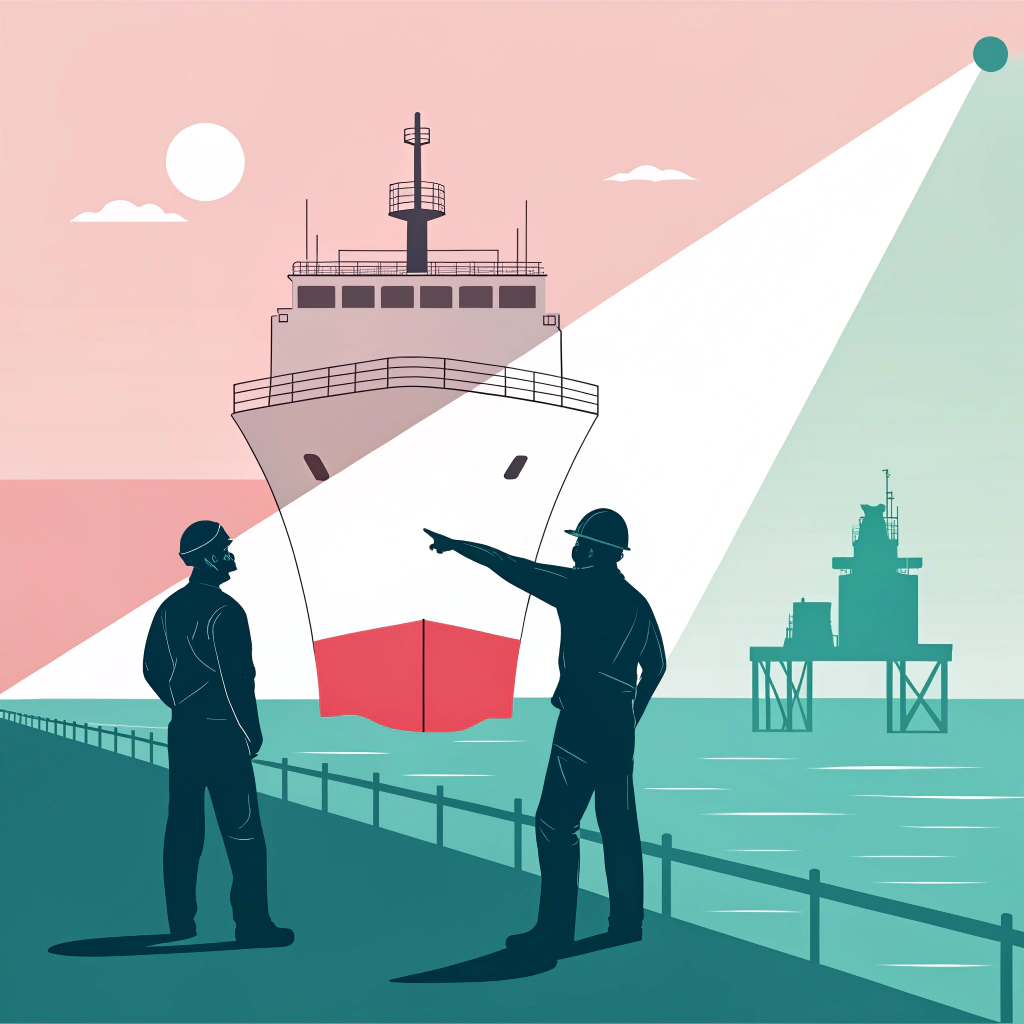
Standards That Anchor the Practice
- COLREGs1 (International Regulations for Preventing Collisions at Sea)
- They standardize navigation behavior and light colors: red shows the port side, green shows the starboard side. This lets vessels and pilots read each other at night and in restricted visibility.
- SOLAS5 basics (Safety of Life at Sea)
- Not about which side is which, but it enforces safety management systems. Clear, consistent side language reduces human error in drills, musters, and cargo operations under your ship’s SMS.
- Terminal and vessel protocols
- Lashing manuals, pilotage plans, and berthing checklists all use port/starboard. If your instructions use the same terms, your shipment integrates seamlessly with shipboard procedures.
Where This Shows Up in Your Documents
- Booking requests: “Request starboard-side discharge at POD; reefer rack availability needed.”
- Delivery orders: “Truck pickup at quay: port-side staging area.”
- Pre-arrival notes: “Crane positioning and gangway on starboard side; hazardous cargo inspection on port side.”
- Yard maps: Mark port/starboard for vessel-facing operations. If equipment is labeled “shore-facing,” clarify “shore-facing port side” versus “shore-facing starboard side.”
Bridge the Language Gap with Simple Templates
- Use this pattern in emails and EDI/portal fields:
- Side: Port or Starboard (relative to bow)
- Location: Bay/Row/Tier [numbers], side [Port/Starboard]
- Action: Discharge/Load/Stage/Inspect
- Time window: [UTC/local] with berth number
- Example:
- “Load to Bay 12, Tier 03, port side. Stage empties starboard side, row 2. Port side to berth, gangway at midships.”
Final Takeaway
- Port = left, starboard = right when facing the bow. The terms are ship-fixed, backed by global standards, and reinforced by red/green lights.
- For global shippers, using port/starboard in stowage plans, manifests, and terminal instructions prevents miscommunication and delays.
- Make it your SOP: replace left/right with port/starboard, reference the bow, and train teams with visual cues and radio-ready phrasing. Clarity here pays off in faster handoffs and fewer costly mistakes.
People Also Ask
What happens if you confuse port and starboard?
Confusing the sides leads to wrong pickups, mis-stow, and berthing delays. A driver may wait on the wrong side, cargo may be staged or lashed incorrectly, and pilots may need to re-coordinate. Remember: facing the bow, port is left and starboard is right. These names don’t change with your orientation.
What is the port and starboard rule?
For two sailing vessels, the boat on a starboard tack (wind on its starboard/right side) has right of way; the boat on a port tack must give way. If both are on the same tack, the windward (upwind) boat gives way. For power-driven vessels crossing, the vessel that has the other on her starboard side must give way, avoiding crossing ahead when possible.
-
COLREGs: Read to grasp international collision-avoidance rules, light/shape signals, and right‑of‑way priorities, so your instructions and night operations align with global standards and reduce risk of incidents. ↩ ↩2
-
Pilotage: Learn how marine pilots plan approaches, tug use, and berthing, enabling clearer side-specific requests and smoother coordination with ports to minimize delays and rework. ↩
-
Stowage plan: Understand bay/row/tier mapping, weight distribution, and lashing logic to write precise load/discharge notes, cut handling errors, and improve vessel stability and turnaround. ↩
-
AIS: See how the Automatic Identification System provides vessel identity, position, course, and speed, helping teams verify headings at night, coordinate pickups, and avoid misidentification. ↩
-
SOLAS: Review the safety framework and SMS requirements to reinforce consistent side language in procedures and drills, improving compliance and reducing human-error incidents in cargo ops. ↩