Skip to content
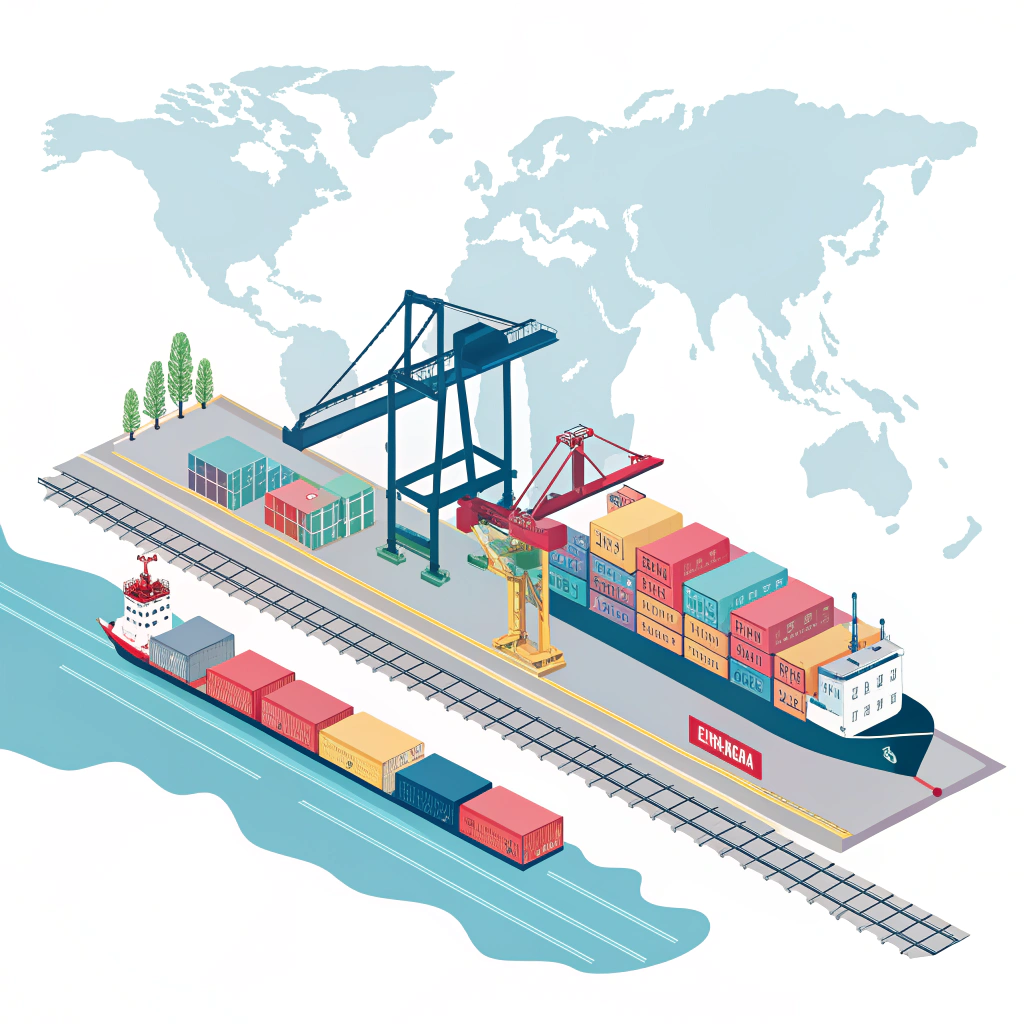
Mexico's strategic geographical position and extensive coastline have established it as a vital hub in global logistics. Among its many ports, the top 10 Mexican ports1 stand out for their critical roles in facilitating international trade, offering key gateways for importers and exporters worldwide. These ports not only provide efficient handling of container cargo but also offer connectivity through intermodal transport2, enabling overseas buyers to optimize supply chains, reduce transit times, and manage costs effectively.
This guide highlights the leading Mexican ports, providing overseas buyers and B2B procurement teams with essential insights to make informed logistics decisions when shipping goods through Mexico.
Mexico has over a hundred seaports along its Pacific and Atlantic coasts, but only a select few handle the largest volumes and most strategic freight. These top ports integrate advanced infrastructure, deepwater berths, and intermodal connections (rail and road), making them hubs for regional and global trade lanes.
For overseas buyers sourcing from Mexico or Latin America, choosing the right port directly impacts shipping efficiency, customs processing, and overall supply chain cost. Understanding each port’s capabilities and connectivity helps avoid delays, heavy demurrage charges, or inland freight complications.
Below is a detailed look at the leading ports, their capacities, and unique advantages for international freight forwarding.
| Port Name | Location | Coast | Key Features | Major Trade Routes | Capacity (TEUs/Yr) |
|---|---|---|---|---|---|
| Port of Manzanillo | Colima | Pacific | Largest container port, deepwater access, private investments | Asia-Pacific, North America, Europe | ~3.4 million TEUs |
| Port of Lázaro Cárdenas | Michoacán | Pacific | Modern facilities, extensive rail links, expanding capacity | Asia-Pacific, US, Latin America | ~1.5 million TEUs |
| Port of Veracruz | Veracruz | Gulf | Oldest major port, significant bulk cargo handling | US East Coast, Europe, Caribbean | ~760,000 TEUs |
| Port of Altamira | Tamaulipas | Gulf | Industrial complex nearby, focus on petrochemicals and container cargo | US Gulf Coast, Latin America | ~1.2 million TEUs |
| Port of Ensenada | Baja California | Pacific | Cruise and commercial port, convenient for Northern Mexico exports | Pacific Rim, North America | ~250,000 TEUs |
| Port of Progreso | Yucatán | Gulf | Competitive for trade with US East Coast and Caribbean | US East Coast, Caribbean, Central America | ~350,000 TEUs |
| Port of Coatzacoalcos | Veracruz | Gulf | Petrochemical hub, specialized cargo terminals | Domestic and international petrochemical trade | Smaller container volumes |
| Port of Guaymas | Sonora | Pacific | Niche for agricultural and industrial exports | Asia, US West Coast, regional trade lanes | Small container volume |
| Port of Salina Cruz | Oaxaca | Pacific | Oil exports, growing general cargo capabilities | Asia-Pacific trade route | Small container volume |
| Port of Mazatlán | Sinaloa | Pacific | Fishing and agricultural exports focus | Pacific Rim, US West Coast | Small container volume |
Ports like Manzanillo and Lázaro Cárdenas handle millions of TEUs annually, accommodating some of the largest container vessels. Deepwater access reduces vessel waiting times and allows faster cargo discharge, critical for tight delivery schedules.
Strong rail and highway networks link these ports to Mexico’s industrial heartlands and the US border. Lázaro Cárdenas offers direct rail routes to US Midwest markets, while Veracruz connects east-coast traffic efficiently. This intermodal system supports just-in-time inventory and reduces inland transportation costs.
Many key ports have streamlined customs procedures and authorized economic operator status, facilitating faster clearance. This reduces detention risks and supports compliance with international trade regulations3.
Several ports serve as consolidation points for mixed cargoes from Latin America and Asia. Freight forwarders consolidate shipments here to optimize space and reduce freight costs for overseas buyers.
Selection depends on your goods’ origin, destination, and cargo type. The table below outlines typical scenario-based port recommendations.
| Buyer Scenario | Recommended Port(s) | Justification |
|---|---|---|
| Asian imports to US & Canada | Manzanillo, Lázaro Cárdenas | Pacific access, large capacity, efficient customs |
| Bulk and petrochemical exports | Veracruz, Altamira | Specialized terminals and bulk handling |
| Northern Mexico agricultural exports | Ensenada, Guaymas | Proximity to export production zones |
| Caribbean and US East Coast trade | Veracruz, Progreso | Gulf coast access, reliable shipping lines |
| Small volume mixed cargo | Mazatlán, Salina Cruz | Flexible handling for diverse cargo types |
-
Plan for seasonal peaks: Mexican ports can experience congestion during peak export seasons; early booking with freight forwarders is essential.
-
Use port consolidation services: Leverage consolidation for mixed or small shipments to reduce costs and simplify customs.
-
Confirm intermodal options: Verify rail and trucking connections available at your chosen port to ensure seamless inland delivery.
-
Understand customs regulations: Ensure pre-clearance and compliance documents are ready to avoid clearance delays.
-
Partner with experienced local freight forwarders: Local knowledge of port operations, regulations, and logistics services shortens transit times and mitigates risks.
An overseas electronics importer sourcing from Mexico chose the Port of Manzanillo due to its strong connections to Pacific shipping lines and efficient customs clearance. By consolidating shipments at Manzanillo and using rail links to the US Midwest, the importer cut transit time by 3 days and lowered inland trucking costs by 15%. This enhanced on-time delivery reliability and customer satisfaction.
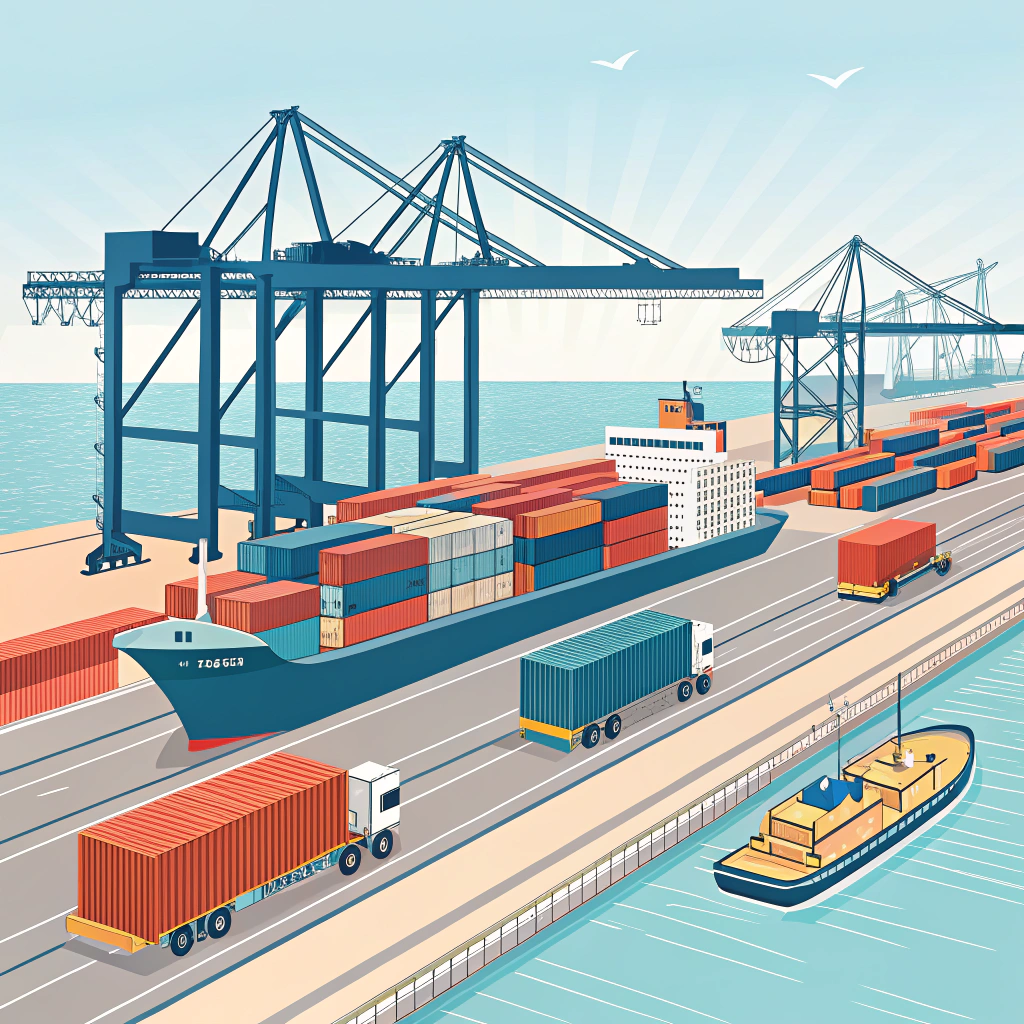
Mexico’s top 10 ports1 are linchpins in global freight operations, each offering unique advantages—from vast capacity and trade lane access to specialized commodity handling. Overseas buyers should evaluate ports based on shipment origin, destination, cargo type, and logistics partner capabilities.
Action steps for overseas buyers:
- Analyze your supply chain routes and estimate shipping volumes.
- Choose ports with strong intermodal links and container throughput for efficiency.
- Collaborate with reliable freight forwarders possessing local expertise.
- Plan shipments well in advance to navigate seasonal congestion.
- Use port consolidation to optimize freight costs and reduce customs complexity.
By selecting the optimal Mexican port, importers can secure competitive advantages in transit time, cost control, and supply chain resilience.
Who are the top 5 freight forwarders in the world?
The leading global freight forwarders as of 2025 include Kuene+Nagel, DHL, DSV, DB Schenker, and Expeditors International. These companies offer extensive worldwide networks and comprehensive logistics services, making them valuable partners for navigating complex international shipping routes, including those through Mexico.
What is the largest shipping port in Mexico?
The Port of Manzanillo4 is the largest shipping port in Mexico. Located on the Pacific Coast, it handles nearly half of the container shipments entering the country. Its deepwater access, extensive private investments, and strong connections to Asia-Pacific and North American trade lanes make it Mexico’s primary maritime gateway.
How many shipping ports are there in Mexico?
Mexico boasts over 117 seaports5 along its 7,145 miles of coastline. These ports serve as crucial trade hubs, supported by highways, railways, and airports, making them instrumental in both regional and global supply chains.
-
Top 10 Mexican ports: Reading about the top 10 Mexican ports provides insight into key maritime hubs driving international trade, helping businesses select the best ports for efficient import-export operations. Back to text ↩ ↩2
-
Intermodal transport: Exploring intermodal transport explains how combining rail, road, and sea freight can optimize supply chains, reduce costs, and improve delivery times. Back to text ↩
-
International trade regulations: Understanding international trade regulations helps businesses navigate customs, legal compliance, and reduce risks in global shipping. Back to text ↩
-
Port of Manzanillo: Learning about the Port of Manzanillo details its role as Mexico’s primary container port, highlighting infrastructure, trade connections, and strategic importance. Back to text ↩
-
117 seaports in Mexico: Reviewing the count and distribution of Mexico’s seaports offers perspective on the country's maritime capacity and regional trade capabilities. Back to text ↩