Skip to content


Think of a highway closure that sends every truck onto a much longer detour. The Red Sea crisis has created a similar problem for China shipping: vessels avoiding the Suez Canal sail around Africa, consuming more fuel and tying up ships for longer.
The difference can be substantial. In April 2024, UNCTAD described an additional 12 sailing days between Shanghai and Rotterdam. Those extra days eventually reach exporters and importers through freight bills, inventory costs, and delivery uncertainty. UNCTAD’s route analysis
Who pays for the detour—and how can buyers control the impact?
Red Sea shipping disruption: what changed?
Attacks by Yemen’s Houthi movement on commercial shipping escalated in late 2023, prompting major carriers to divert services away from the Red Sea and Suez Canal. Ships sailing between Asia and Europe instead rounded the Cape of Good Hope. UNCTAD’s disruption assessment
However, saying every carrier has avoided Suez continuously would be inaccurate. In September 2026, Maersk reported a return to Suez for its AE19 and AE15 services with Hapag-Lloyd, while emphasizing that this did not represent a wider return across the East-West network. Maersk’s September 2026 update
For buyers, the practical lesson is to check the specific service and sailing, rather than assume an entire trade lane follows one route.
Why the Red Sea crisis increases shipping costs
The cost transmission chain is straightforward: longer voyages raise operating expenses, reduce available capacity, and increase the cost of moving and holding goods.
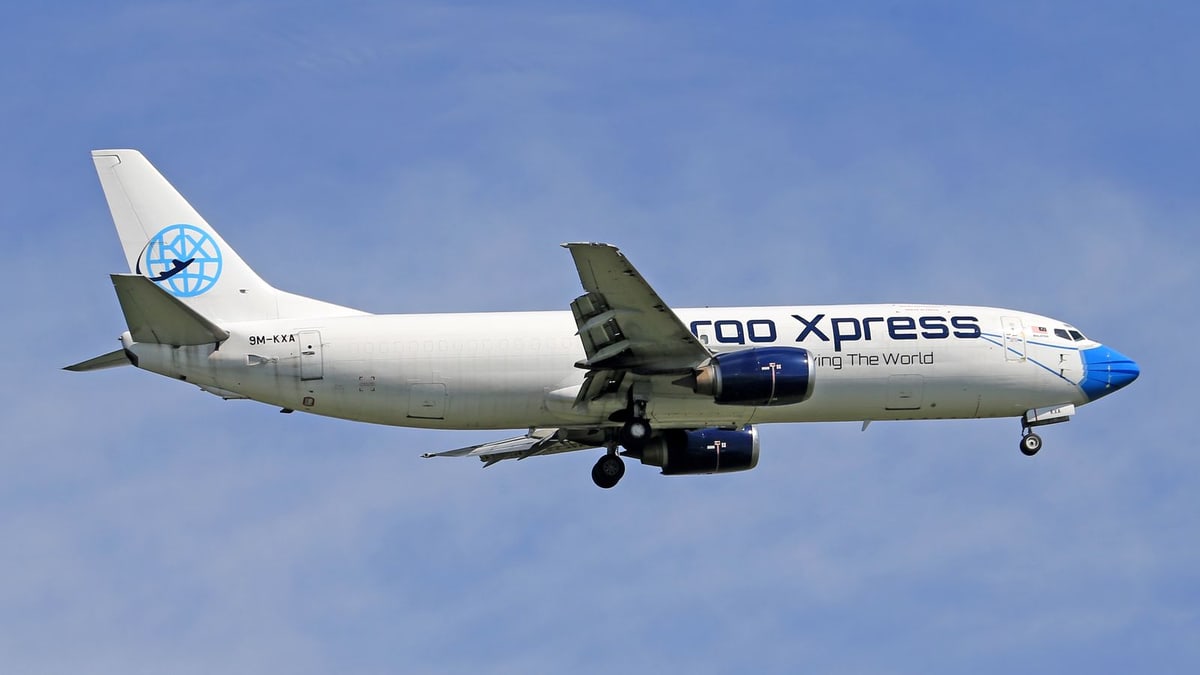
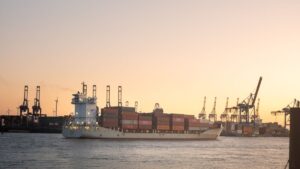
Photo: Pexels, Pexels License, by Pexels contributor
More sailing days mean more fuel
A Cape diversion lengthens the voyage. Fuel consumption also rises when vessels increase speed to recover lost time. There is no universal daily fuel figure: vessel size, speed, loading, and weather all matter.
Maersk’s May 2024 assessment described additional transit times of one to three weeks on affected routes and higher fuel costs from faster sailing. Maersk’s operational assessment
Longer rotations absorb capacity
A vessel taking longer to complete its round trip cannot return as quickly for the next loading. Maintaining weekly departures therefore requires more ships. Empty containers also take longer to return to export markets.
In the same May 2024 assessment, Maersk estimated that approximately 6–7% additional industry capacity was needed to handle regular cargo volumes. This was a dated operational estimate, not a permanent percentage applicable to every route.
Insurance and surcharges add pressure
Security risks can increase insurance costs for exposed voyages, reinforcing the incentive to divert. The actual insurance impact depends on the route and coverage; it should not be treated as an identical charge on every container. UNCTAD’s insurance and trade-cost assessment
Carrier quotations may also include disruption, contingency, fuel, or peak-season surcharges. Their names, amounts, and applicability vary. Maersk’s published notices illustrate how these charges change by trade and effective date. Carrier surcharge notices
Ask whether each charge is already included before comparing quotations. Adding a surcharge twice can distort the buying decision.
China to Europe shipping cost: the direct impact
China–Europe services traditionally using Suez face direct exposure when diverted. The consequences extend beyond the ocean freight rate:
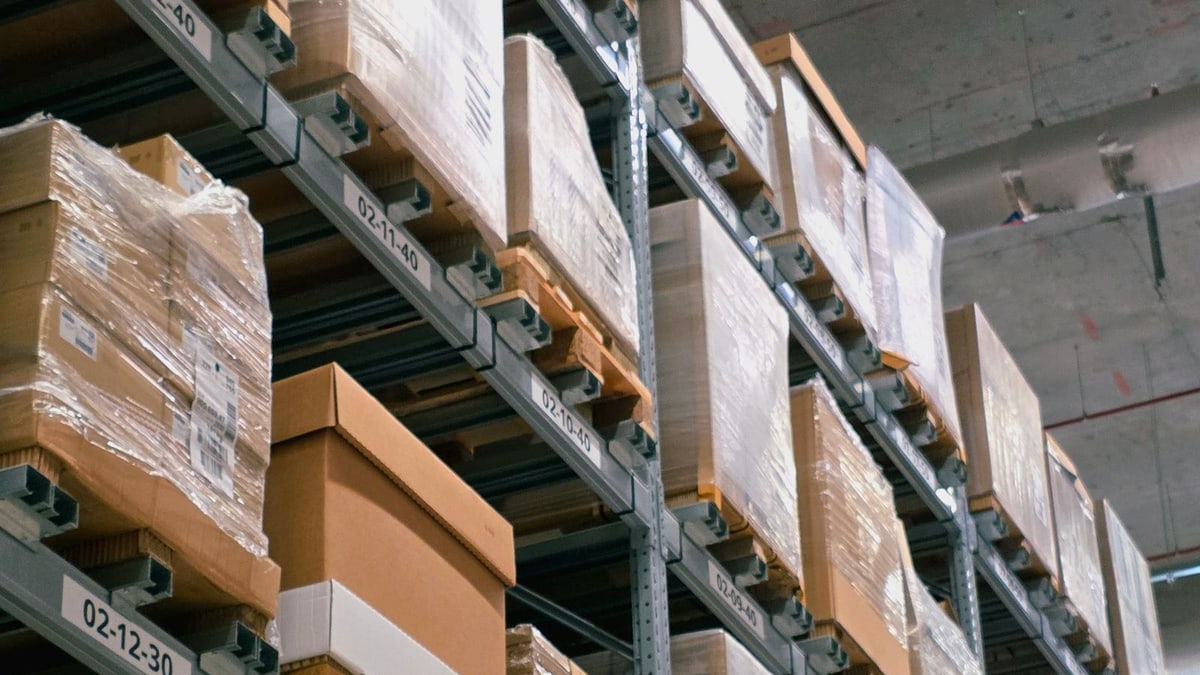
Photo: Pexels, Pexels License, by Pexels contributor
- Longer replenishment cycles: inventory stays in transit for more days.
- Additional working capital: buyers fund goods before they become available for sale or production.
- Greater scheduling pressure: missed arrival windows can disrupt warehouse bookings and factory plans.
A 10–15-day allowance can serve as an initial planning scenario for a diverted shipment, but it must be checked against the carrier’s published schedule. Do not add it again if the quoted transit time already includes the Cape routing.
For Christmas merchandise or Amazon replenishment, work backward from the required stock-available date. Include unloading, clearance, inland delivery, and receiving time. A vessel’s arrival date is not the date products become available to customers.
Earlier ordering can also concentrate demand into busy booking periods. Share forecasts before cargo is ready, especially for repeat industrial components or seasonal stock.
China to US freight rates: West Coast versus East Coast
The US impact depends on the actual routing.

Photo: Pexels, Pexels License, by Pexels contributor
West Coast: Services to Los Angeles and Long Beach normally cross the Pacific without entering the Red Sea. They avoid the direct Cape detour, although competition for ships and containers can transmit disruption across the wider network.
East Coast: Services to New York or Savannah may use Panama or a route through Suez. Suez-dependent sailings can face direct diversion effects; Panama services have different exposure. Hapag-Lloyd’s disruption guidance listed several Asia–US East Coast services among affected routes. Hapag-Lloyd’s routing FAQ
| Trade lane | Red Sea exposure | Cost and timing implication |
|---|---|---|
| China to Europe | Direct on Suez-dependent services | Cape diversions extend voyages and raise operating costs |
| China to US West Coast | Usually indirect | No direct Red Sea detour; network pressure can affect rates |
| China to US East Coast | Depends on service | Confirm Suez, Cape, or Panama routing before budgeting |
Fixed increases such as “25% above pre-crisis rates” are unreliable without a dated benchmark, port pair, equipment type, and matching quotation scope. Demand, fuel prices, and capacity changes also affect the final rate.
Managing freight budgets through continued uncertainty
Build a repeatable purchasing process around four actions:
- Book against realistic lead times. Confirm routing, cargo cutoff, and estimated arrival. Set inventory buffers according to the cost of a stockout.
- Compare complete quotations. Request ocean freight, surcharges, origin and destination charges, inland transport, validity, and exclusions. For contracts, clarify which charges can still change.
- Price alternatives selectively. Assess China–Europe rail, emergency air freight, or US West Coast entry with inland rail against your cargo, destination, and deadline.
- Assign one coordination owner. Choose a forwarder able to coordinate sailing updates, clearance arrangements, and final delivery milestones.
The Red Sea crisis makes China shipping costs a continuing planning variable. A blanket forecast that high rates must last through 2027 is not a sound purchasing assumption. Review actual bookings and alternative scenarios regularly.
When requesting a quotation from King-Hor, provide cargo dimensions, weight, commodity, ready date, destination, and required delivery window so the discussion starts with your shipment’s requirements.
FAQ
How much longer does Cape routing take?
Often around one to two additional weeks, although the difference varies by service. Confirm whether the carrier’s quoted schedule already includes the diversion.
Does the crisis affect all US shipments equally?
No. West Coast services usually avoid direct exposure. East Coast exposure depends on whether the service uses Suez, Panama, or the Cape.
Is there a standard Red Sea surcharge?
No. Charges vary by carrier, trade, equipment, and effective date. Request an itemized quotation with clear inclusions.
Should Amazon sellers move everything by air?
Compare the cost of a stockout with the air-freight premium. A small emergency shipment may cover demand while the remaining inventory travels by sea.
Will Suez reopening immediately reduce freight rates?
Not necessarily. Carriers must adjust schedules and equipment positioning, while demand and other operating costs continue to influence prices.