Ex Works (EXW) is one of the Incoterms 20201 rules defining international trade responsibilities. Under EXW, the seller’s obligation is minimal — they simply make the goods available at their premises. The buyer bears the full burden of arranging pickup, inland transportation in the origin country, export customs clearance, and subsequent shipping. This can cause logistical challenges, especially for companies new to international shipping or without local presence in China.
A freight forwarder2 acts as an expert intermediary, helping buyers navigate the complexities of EXW shipments by coordinating logistics, managing export documentation, arranging customs clearance, and organizing inland transport from supplier locations. This ensures smoother operations, reduces risks of delays or extra charges, and optimizes freight costs.
In this article, we will explain how EXW shipping works, outline the responsibilities of buyer and seller, and detail how freight forwarders support your company in handling Ex Works pickup and export operations.
EXW stands for Ex Works, a shipping term from Incoterms 2020. It states that the seller fulfills their responsibility by making goods available at their factory, warehouse, or another agreed location. The buyer must handle everything from that point onwards, including:
- Organizing pickup from the supplier’s premises
- Handling inland transportation3 to the port or airport
- Completing all export customs procedures
- Arranging international freight to the final destination
- Managing import clearance and delivery
This places most logistical and financial risks on the buyer side. EXW is favored when buyers want maximum control over the shipment and often when they have their own logistics capabilities or partners at the origin.
Though EXW gives buyers full control, this often introduces several pain points, particularly when shipping out of China:
- Coordinating pickup from multiple suppliers without direct local presence
- Managing complex export customs clearance, including documentation and compliance
- Handling inland trucking, which requires local know-how and permits
- Risk of misunderstandings with suppliers about the pickup time and readiness
- Increased administrative workload and potential delays
For many companies, especially SMBs sourcing from China, these challenges can cause shipment delays, unexpected costs, or customs compliance issues.
Freight forwarders specialize in managing international shipments end to end and are invaluable for companies running EXW shipments from China.
| Service Aspect | How a Freight Forwarder Helps |
|---|---|
| Supplier Pickup | Organizes reliable local trucking to pick goods directly from factory. |
| Export Customs Clearance | Prepares and submits all required export documents; liaises with Chinese customs authorities. |
| Consolidation | Combines items from multiple suppliers or buyers for cost-effective shipments. |
| Freight Booking & Coordination | Books space with ocean or air carriers and coordinates shipment timing. |
| Documentation Handling | Manages commercial invoices, packing lists, export declarations, and more. |
| Risk Management | Advises on compliance, export restrictions, and reduces the risk of penalties or detention. |
| Inland Trucking Expertise | Provides warehousing, repacking, and local delivery as part of door-to-door solutions. |
By outsourcing these tasks, buyers avoid pitfalls in coordinating with multiple suppliers and regulatory bodies in a foreign country.
- Expertise in Chinese export process: Navigating customs regulations and export rules is challenging without local knowledge. Freight forwarders ensure compliant and fast clearance.
- Time savings: They handle coordination with suppliers and trucking companies, preventing delays.
- Cost optimization: Forwarders consolidate shipments and negotiate with carriers for better rates.
- Single point of contact: Buyers get clear visibility and control without juggling multiple vendor relationships.
- Reduced risk: Forwarders ensure proper documentation and avoid export compliance issues that could cause fines or shipment detention.
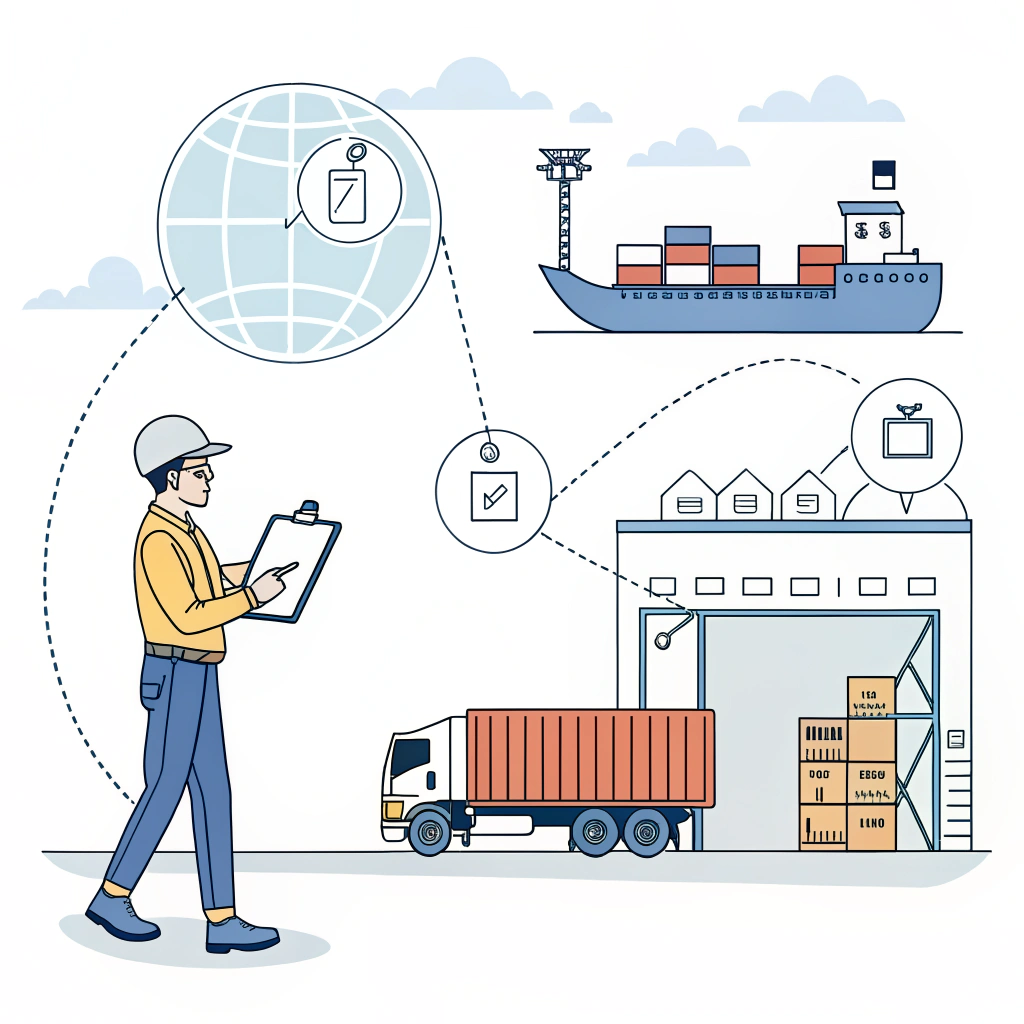
- Quotation and Booking: Buyer requests freight forwarder to quote EXW shipment based on product details and pickup address.
- Supplier Coordination: Forwarder contacts supplier to schedule pickup; confirms goods availability and packaging condition.
- Local Pickup and Transport: The forwarder's trucking team picks goods at seller premises and moves them to a consolidation warehouse or port.
- Export Documentation: Forwarder prepares commercial invoice, packing list, and export declaration forms required by Chinese customs.
- Customs Clearance: Freight forwarder submits documentation and coordinates clearance with customs authorities.
- Freight Booking: Forwarder books space with shipping carrier (ocean/air/express) based on buyer requirements.
- Shipping & Tracking: Goods are shipped to destination; forwarder provides regular updates.
- Import Handling: Forwarder often assists the buyer or their customs broker at the destination with clearance and local delivery.
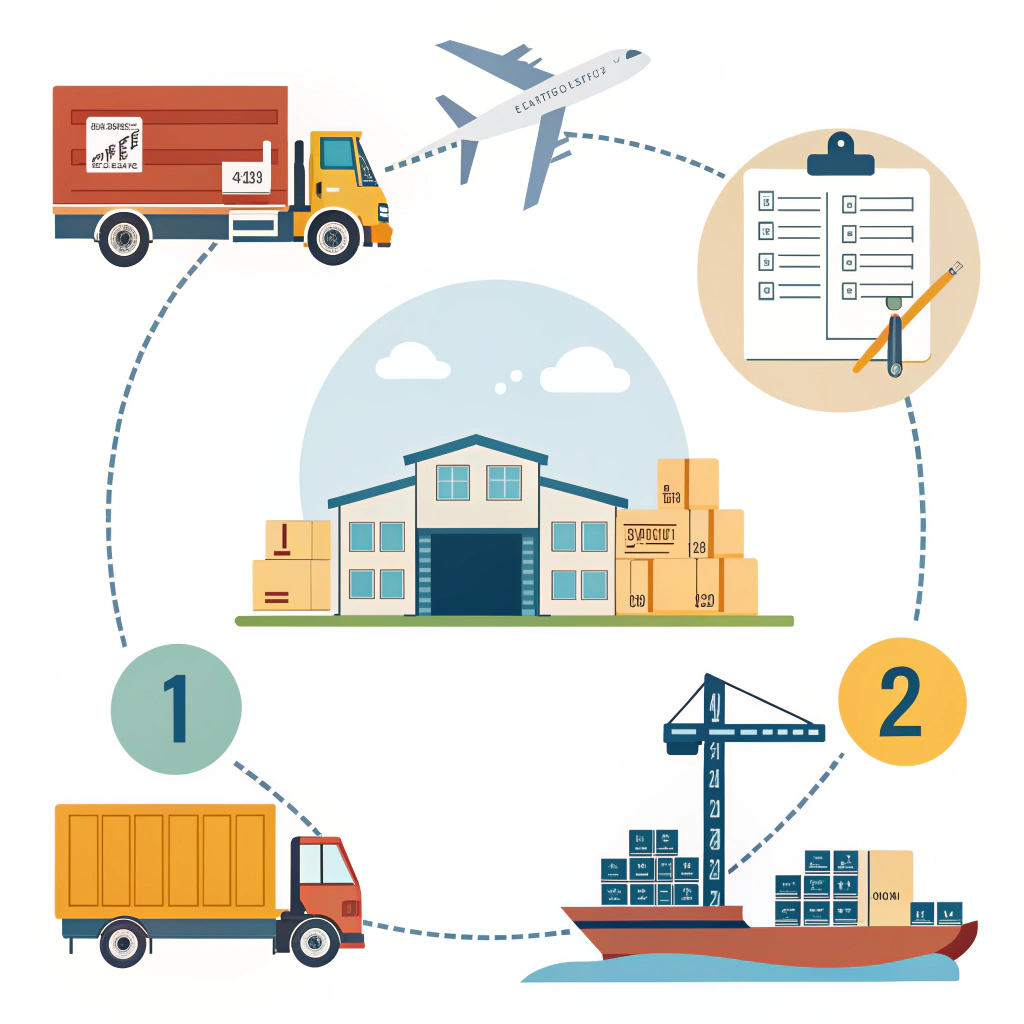
Under standard EXW terms, export clearance is the buyer’s responsibility. However, in practice, many buyers and freight forwarders negotiate detailed service agreements where forwarders assist or fully manage export customs formalities on behalf of the buyer. This requires clear communication and documentation.
Since pickup depends on supplier readiness, the freight forwarder must proactively communicate with the supplier to:
- Confirm pickup date and time
- Verify packaging meets export standards
- Ensure shipment is complete and matches the order
Buyer involvement in this coordination is minimal when working with an experienced forwarder.
EXW pricing excludes all transport costs beyond the factory gate. Buyers should budget for:
- Inland trucking and pickup fees
- Export brokerage charges
- Freight forwarding service fees
- Customs duties and taxes at destination (if applicable)
A freight forwarder can help optimize the total landed cost through consolidation and efficient routing.
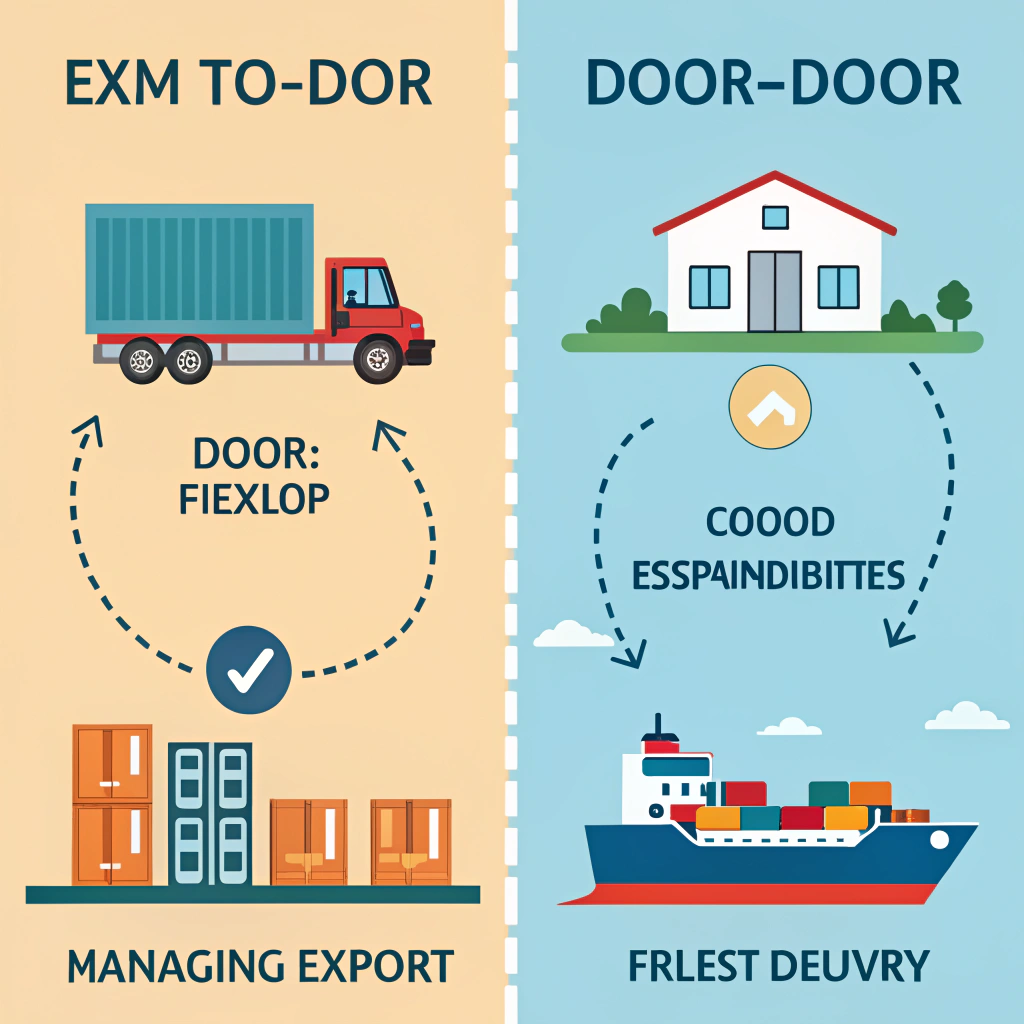
| Aspect | EXW Shipping | Door-to-Door Shipping |
|---|---|---|
| Seller Responsibility | Just make goods available at origin | Full shipment management through delivery |
| Buyer Responsibility | Coordinating pickup, export, freight, and import | Minimal; usually entrusts everything to seller/shipping company |
| Control Over Export | Buyer has full control | Seller or forwarder controls export formalities |
| Complexity | High due to multiple coordinated steps | Lower, single contract and point of contact |
| Use Case | Buyers with logistics capacity or local presence | Buyers preferring hands-off shipping solution |
Choosing EXW often reflects a desire for cost control and flexibility but necessitates partnering with experienced freight forwarders to navigate challenges efficiently.
- EXW shipping places most responsibilities on the buyer, including inland pickup, export clearance, and freight booking.
- Companies sourcing from China without local offices or logistics teams often struggle with these tasks.
- Freight forwarders serve as trusted partners who organize supplier pickups, manage export documentation, handle customs clearance, and optimize freight consolidation.
- For smooth EXW shipments, buyers should select forwarders with strong China expertise, transparent communication channels, and flexible service options.
- Carefully negotiate the scope of export clearance responsibilities and costs before shipment.
- Consider the tradeoff between EXW and door-to-door terms based on your company’s logistics capacity and control preferences.
Partnering with a professional freight forwarder not only reduces risks and delays but also streamlines your supply chain, allowing you to focus on your core business while enjoying international shipment peace of mind.
How does EXW shipping work?
EXW requires the seller to make goods available at premises, while the buyer arranges transport and export. The buyer handles pickup, export customs clearance, freight booking, and subsequent shipping costs.
What is the role of a freight forwarder in exporting?
Freight forwarders organize shipments by working with carriers, customs, and local agents to ensure smooth transport. They act as logistics coordinators managing documentation, transport bookings, and compliance.
Who is responsible for export clearance under EXW?
Typically, the buyer is responsible for export clearance under EXW, which involves handling customs paperwork and approvals. This responsibility can be complex and may require the buyer or their freight forwarder to take charge in the seller’s country.
-
Incoterms 2020: Understanding Incoterms 2020 helps readers grasp standardized international rules that define buyer and seller responsibilities in global trade.
↩ Back to "Incoterms 2020" ↩ -
Freight forwarder: Exploring the role of freight forwarders clarifies how these intermediaries simplify complex logistics tasks, ensuring timely and compliant shipments.
↩ Back to "freight forwarder" ↩ -
Inland transportation: Learning about inland transportation informs readers on managing the crucial step of moving goods from supplier premises to ports or airports, a core responsibility under EXW.
↩ Back to "inland transportation" ↩