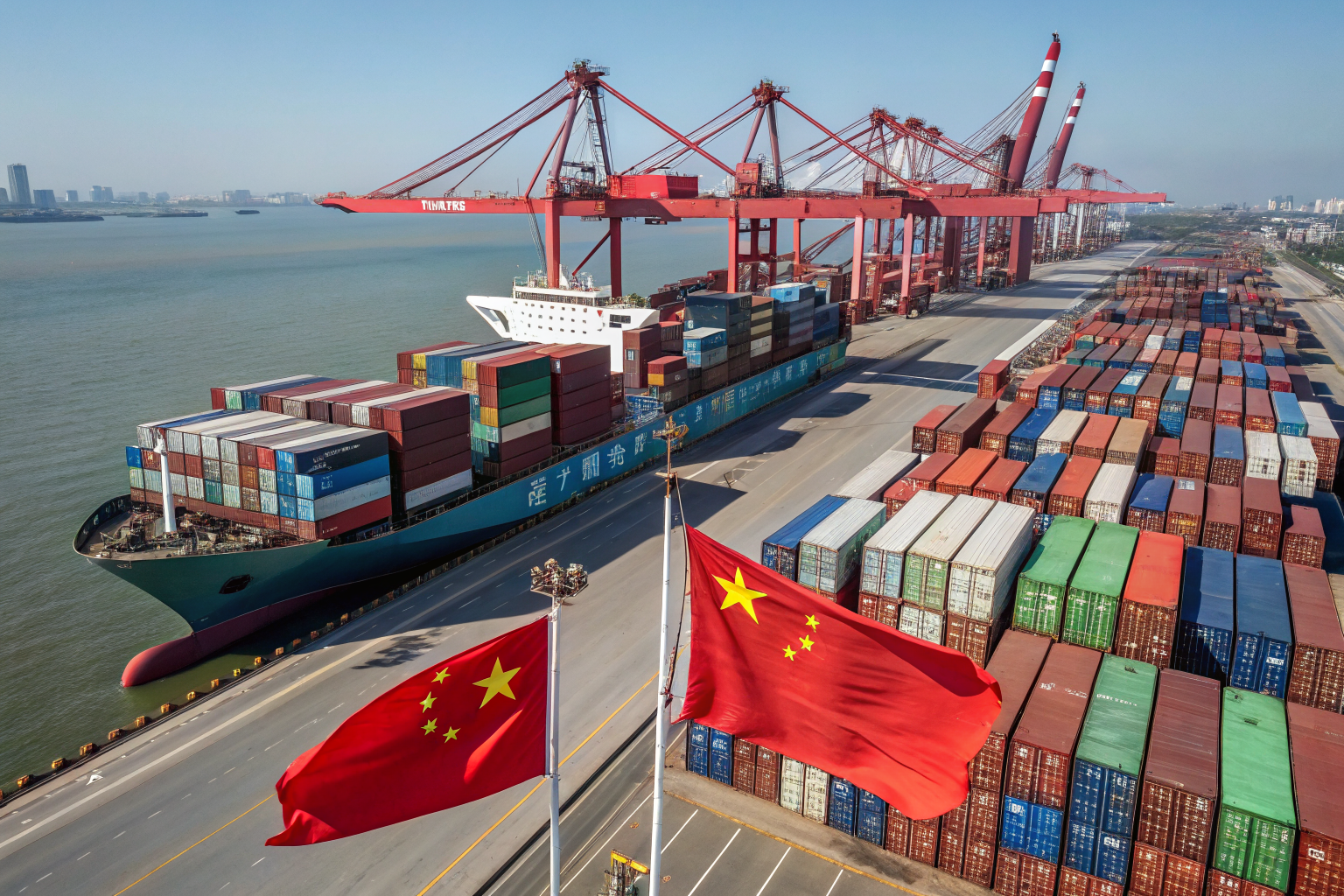
Sea freight from China to the USA typically costs between $800-$3,500 per 20-foot container (FCL) or $50-$150 per cubic meter (LCM) for less-than-container loads, with transit times ranging from 15-40 days depending on the port pair and shipping route selected. The total cost and timeline depend on factors including origin/destination ports, container type, cargo volume, seasonality, and additional services like customs clearance and inland transportation.
For US importers and Amazon FBA sellers shipping products from China, understanding sea freight logistics is essential for managing costs and planning inventory. King-Hor Supply Chain has facilitated ocean freight shipments for over 1,000 clients since 2015, connecting Chinese suppliers with American businesses through strategic offices in Shenzhen, Los Angeles, and Hong Kong.
Understanding Sea Freight Rates from China to USA
Ocean freight rates fluctuate based on multiple variables, with container availability, fuel costs, and seasonal demand being the primary drivers. The shipping industry experienced significant rate volatility in recent years, though prices have stabilized compared to pandemic-era peaks.
Current market rates for major China-USA routes typically fall within these ranges:
| Route | 20' Container (FCL) | 40' Container (FCL) | 40' HC Container | Transit Time |
|---|---|---|---|---|
| Shanghai to Los Angeles | $1,200-$2,000 | $1,500-$2,800 | $1,600-$3,000 | 15-18 days |
| Shenzhen to Los Angeles | $1,100-$1,900 | $1,400-$2,600 | $1,500-$2,800 | 16-20 days |
| Ningbo to New York | $2,200-$3,500 | $2,800-$4,500 | $3,000-$4,800 | 28-35 days |
| Qingdao to Seattle | $1,000-$1,800 | $1,300-$2,400 | $1,400-$2,600 | 17-22 days |
| Guangzhou to Long Beach | $1,100-$1,900 | $1,400-$2,700 | $1,500-$2,900 | 18-23 days |
Beyond base ocean freight charges, importers should budget for additional costs including:
- Origin charges: Documentation fees, port handling, and container loading ($200-$400)
- Destination charges: Port fees, container unloading, and terminal handling ($400-$800)
- Customs clearance: Broker fees and documentation ($150-$300)
- Inland transportation: Trucking from port to final destination (varies by distance)
- Insurance: Typically 0.3-0.5% of cargo value
King-Hor Supply Chain offers transparent, all-inclusive pricing that accounts for these variables, helping importers avoid unexpected costs. With our LA warehousing facilities, we provide seamless FBA door-to-door services that handle every step from Chinese factory to Amazon fulfillment center.
What Route Do Cargo Ships Take from China to the US?
Cargo ships from China to the US primarily follow trans-Pacific routes that cross the Pacific Ocean directly, with the specific path determined by the origin port in China and destination port in America. The most common routes include the Northern Pacific route (China to West Coast) and the longer trans-Pacific route through the Panama Canal (China to East Coast).
Northern Pacific Route (China to US West Coast)
This route serves the majority of China-USA ocean freight volume, connecting major Chinese ports like Shanghai, Shenzhen, Ningbo, and Qingdao with West Coast destinations including Los Angeles, Long Beach, Oakland, Seattle, and Tacoma. Ships typically follow a direct great circle route across the Northern Pacific Ocean, taking advantage of favorable currents and minimizing distance.
The journey crosses approximately 6,000-7,000 nautical miles depending on specific port pairs, with vessels traveling at average speeds of 18-22 knots. This route accounts for roughly 65% of all containerized cargo moving from China to the United States.
Panama Canal Route (China to US East Coast)
For shipments destined to East Coast and Gulf Coast ports like New York/Newark, Savannah, Charleston, Houston, and Miami, cargo ships travel southward along the Asian coast, cross the Pacific to Central America, transit through the Panama Canal, and continue into the Atlantic Ocean. This route covers approximately 10,000-12,000 nautical miles and requires 10-15 additional days compared to West Coast deliveries.
The Panama Canal can accommodate vessels carrying up to 14,000 TEUs (Twenty-foot Equivalent Units) after recent expansion projects, though larger "Megamax" vessels must use alternative routes around South America or break cargo into smaller feeder ships.
What Is the Shortest Sea Route from China to USA?
The shortest sea route from China to the USA is from Southern Chinese ports (Shenzhen, Guangzhou, or Hong Kong) to Los Angeles/Long Beach, covering approximately 6,500 nautical miles with transit times of 15-18 days under optimal conditions. This direct trans-Pacific crossing represents the most efficient ocean freight connection between the world's two largest economies.
Several factors make this route particularly advantageous for time-sensitive shipments:
- Direct sailing schedules: Daily departures from major carriers ensure frequent service
- Minimal port calls: Many services operate as direct sailings without intermediate stops
- Infrastructure efficiency: Both Chinese and California ports feature advanced container handling capabilities
- Established shipping lanes: Heavy traffic volume ensures regular, reliable service
For Amazon FBA sellers working with tight inventory planning, this route provides the optimal balance between cost savings versus air freight and reasonable delivery timelines. King-Hor's strategic positioning with offices in Shenzhen and Los Angeles enables us to provide enhanced service on this critical trade lane, offering nine years of expertise in managing time-sensitive shipments.
Alternative Fast Routes
Other relatively short sea routes include Shanghai to Seattle (approximately 5,800 nautical miles, 16-19 days) and Qingdao to Long Beach (approximately 6,200 nautical miles, 17-20 days). These northern routes occasionally offer faster transit during specific seasons when weather conditions favor the more direct great circle path.
What Are the Top 3 Imports from China to the US?
The top three import categories from China to the United States are electrical machinery and equipment (including computers and telecommunications), machinery and mechanical appliances, and furniture and bedding, collectively representing over $180 billion in annual trade value. These product categories dominate container shipments on trans-Pacific routes and drive demand for reliable ocean freight services.
1. Electrical Machinery and Equipment ($120+ Billion Annually)
This category encompasses computers, smartphones, telecommunications equipment, semiconductors, and consumer electronics components. Approximately 35-40% of all Chinese imports to the USA fall within this classification, making it the single largest product segment. These goods typically require careful handling due to their value and fragility, with many shippers opting for higher-grade containers and comprehensive marine insurance.
2. Machinery and Mechanical Appliances ($45+ Billion Annually)
Industrial machinery, manufacturing equipment, power generation systems, and various mechanical components constitute the second-largest import category. This segment has grown as American manufacturers increasingly source components and sub-assemblies from Chinese suppliers to maintain competitive pricing while focusing on final assembly and specialized production domestically.
3. Furniture and Bedding ($35+ Billion Annually)
The furniture category includes home furnishings, office furniture, mattresses, and decorative items. E-commerce growth, particularly through Amazon and other online retailers, has significantly expanded this trade segment. Amazon FBA sellers represent a substantial portion of furniture imports, requiring specialized services including palletization, FBA labeling, and direct delivery to fulfillment centers.
King-Hor Supply Chain specializes in handling all three categories, with particular expertise in Amazon FBA door-to-door logistics. Our customs clearance team understands the classification requirements, duty rates, and compliance standards for these product types, ensuring smooth import processing.
Sea Freight Timeline: What to Expect
A complete sea freight shipment from Chinese factory to US destination typically requires 30-50 days for West Coast deliveries and 45-65 days for East Coast destinations. This timeline includes several distinct phases:
- Factory to port transportation (2-4 days): Inland trucking from manufacturer to Chinese port
- Port processing and loading (2-5 days): Documentation, customs export clearance, and container loading
- Ocean transit (15-35 days): Actual sailing time depending on route
- US port discharge (2-4 days): Vessel unloading and container availability
- Customs clearance (1-5 days): ISF filing, customs examination if required
- Final delivery (1-7 days): Trucking to warehouse or Amazon FBA center
Peak season (August-October) and holiday periods may add 5-10 days to these timelines due to port congestion and vessel space constraints. Working with an experienced freight forwarder like King-Hor, which has served over 1,000 clients since 2015, helps mitigate delays through proactive planning and alternative routing when necessary.
Choosing Between FCL and LCL Shipping
Full Container Load (FCL) shipping provides dedicated container space for a single shipper, offering better security, faster transit, and lower per-unit costs for shipments exceeding 15 cubic meters. Less-than-Container Load (LCL) consolidates multiple shippers' cargo into shared containers, making it cost-effective for smaller volumes but adding 3-7 days to overall transit time for consolidation and deconsolidation.
The break-even point typically occurs around 15-18 cubic meters, where FCL and LCL costs converge. Beyond this volume, FCL becomes increasingly economical while providing additional benefits including reduced handling and lower damage risk.
Additional Services to Consider
Comprehensive freight forwarding extends beyond basic ocean transportation to include value-added services that streamline the import process. King-Hor Supply Chain offers integrated solutions including:
- Customs clearance: Expert brokerage services ensuring compliance with US import regulations
- LA warehousing: Strategic storage facilities near major ports for inventory management
- FBA preparation: Labeling, palletization, and direct delivery to Amazon fulfillment centers
- Air freight options: Faster alternatives for urgent shipments or inventory replenishment
- Cargo insurance: Comprehensive coverage protecting against loss or damage
- Supplier coordination: Factory pickup and quality control verification in China
These integrated services prove particularly valuable for Amazon sellers and B2B importers managing complex supply chains across multiple product lines and suppliers.
Get Your Free Sea Freight Quote Today
Whether you're an established importer or launching your first Amazon FBA product, King-Hor Supply Chain delivers reliable, cost-effective ocean freight solutions from China to the USA. With 9+ years of experience, strategic offices in Shenzhen, Los Angeles, and Hong Kong, and a proven track record serving over 1,000 satisfied clients, we provide the expertise and infrastructure your business needs to succeed in international trade.
Contact King-Hor Supply Chain today for a free, no-obligation quote on your next China-to-USA shipment. Our team will analyze your specific requirements and recommend the optimal routing, container type, and service level to meet your timeline and budget. Let us handle the logistics complexity while you focus on growing your business.