Skip to content
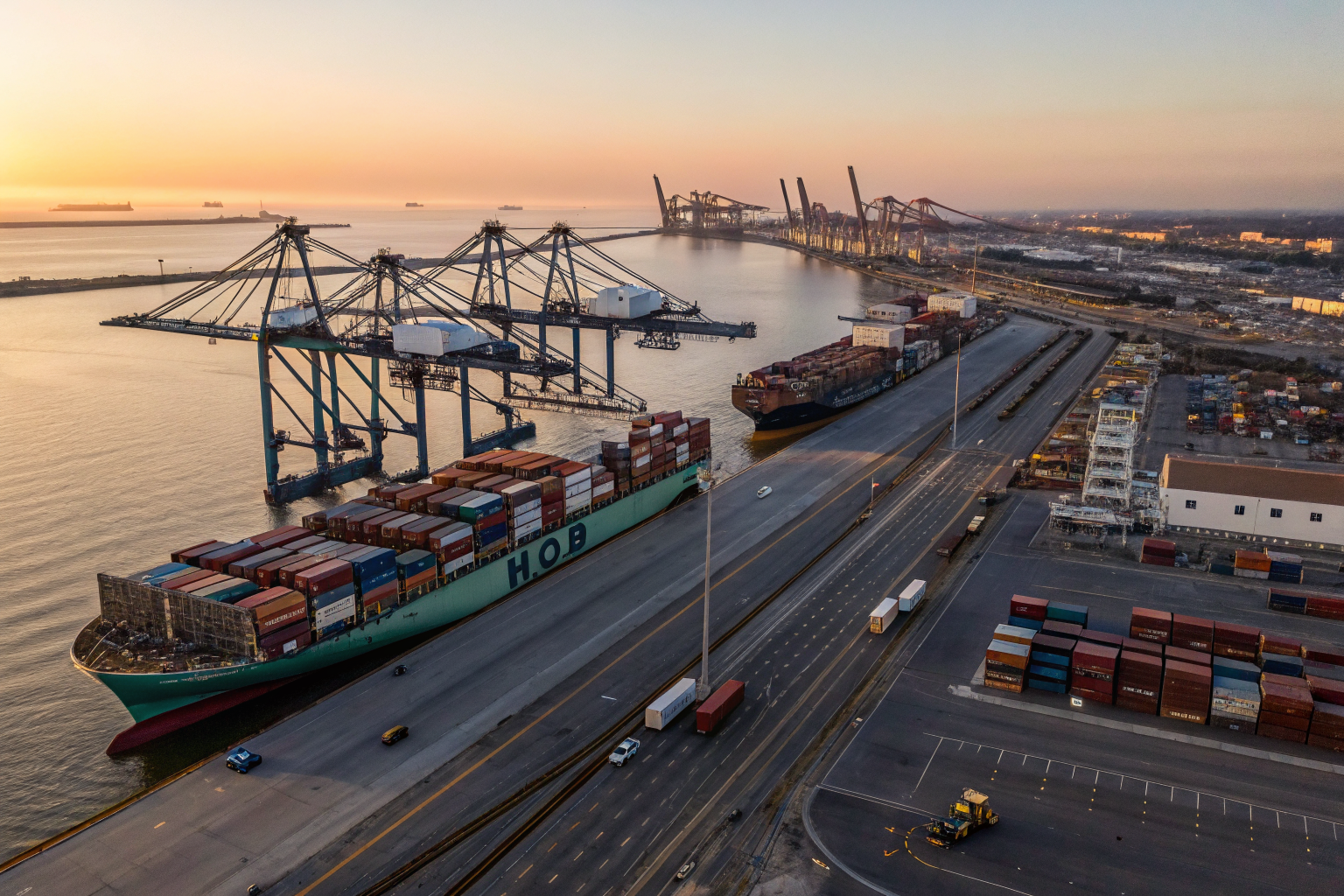
The import duty calculator for China-to-USA shipments in 2026 requires understanding the current tariff structure, which now averages 19.3% on Chinese goods compared to 3.1% in 2018—a seismic shift that has fundamentally reshaped landed cost calculations for US importers.
Why Import Duties Changed So Dramatically
Import duties on Chinese goods increased nearly six-fold due to Section 301 tariffs, Section 232 steel and aluminum duties, and ongoing trade policy adjustments. The "de minimis" threshold of $800 remains intact for now, but enforcement has tightened significantly with enhanced customs scrutiny.
What this means for your business: every shipment now requires precise duty calculation before departure, not after arrival. Importers who relied on rough estimates in 2018 now face cash flow disruptions, delayed clearances, and unexpected costs that erode margins by 15-25%.
The critical shift: Customs and Border Protection (CBP) has implemented the Automated Commercial Environment (ACE) enhancements, requiring more detailed product classification upfront. Misclassification penalties have increased, with average fines now reaching $12,400 per violation.
How to Calculate Your 2026 Import Duties Accurately
Calculate your 2026 import duties by identifying your product's HTS code, applying the current tariff rate, adding Section 301 duties if applicable, then including MPF (0.3464% of value, minimum $32.71, maximum $538.40) and HMF (0.125% of value).
Here's the step-by-step breakdown:
- Determine your HTS code: The 10-digit Harmonized Tariff Schedule code classifies your product. Use the CBP HTS search tool or consult a licensed customs broker.
- Check base tariff rate: Most Chinese goods face standard MFN rates, though some categories carry higher statutory rates.
- Apply Section 301 additional duties: Currently 7.5% to 25% depending on product category and exclusion status.
- Add fees: MPF and HMF apply to nearly all formal entries.
- Calculate total landed cost: Include freight, insurance, and all duties/fees.
Example calculation for $50,000 FOB shipment:
| Cost Component | Calculation | Amount |
|---|---|---|
| Product value | FOB invoice | $50,000 |
| Freight & insurance | Ocean freight + 110% coverage | $3,200 |
| Customs value (CIF) | Product + freight + insurance | $53,200 |
| Base tariff (4% HTS rate) | 4% of $53,200 | $2,128 |
| Section 301 duty (25%) | 25% of $53,200 | $13,300 |
| MPF | 0.3464% of $53,200 (capped) | $184.28 |
| HMF | 0.125% of $53,200 | $66.50 |
| Total duties & fees | $15,678.78 | |
| Total landed cost | $68,878.78 |
This represents a 29.5% effective duty burden—far exceeding pre-2018 levels and demanding strategic supply chain restructuring.
What Importers Must Do Differently in 2026
Importers must shift from reactive to proactive duty management, implementing HTS code audits, exploring tariff engineering, and establishing bonded warehouse arrangements to defer duty payments.
Immediate Actions Required
- Audit your HTS classifications: 23% of importers carry misclassified products, according to CBP data. A professional classification review typically recovers 8-15% in overpaid duties.
- Evaluate tariff engineering: Minor product modifications can shift HTS codes to lower-rate categories. King-Hor's customs clearance team has helped clients achieve 12-18% duty reductions through strategic classification reviews.
- Consider Foreign Trade Zones (FTZ): Our Los Angeles warehousing facility offers FTZ status, allowing duty deferral until goods enter US commerce and potential inverted tariff savings.
Structural Supply Chain Changes
The duty landscape has accelerated nearshoring and diversification trends, but China remains dominant for many categories. Smart importers are optimizing rather than abandoning Chinese sourcing:
| Strategy | Implementation | Potential Savings |
|---|---|---|
| First Sale for Export | Price goods at manufacturer level, not exporter | 10-30% on dutiable value |
| Bonded warehousing | Defer duties until withdrawal | Cash flow improvement; 0-24 month deferral |
| Section 301 exclusions | Apply for product-specific exclusions | 7.5-25% duty elimination |
| Country of origin optimization | Substantial transformation in intermediary countries | Variable; requires legal review |
Transit Times and Cost Implications for 2026
Ocean freight from China to Los Angeles now averages 14-18 days transit time, with total door-to-door timelines of 25-35 days including customs clearance and inland distribution.
Air freight remains critical for time-sensitive shipments, with 3-5 day transit times from Shenzhen or Hong Kong to LAX. However, duty calculations apply identically regardless of transport mode—air freight's higher per-kilogram value often increases absolute duty obligations.
King-Hor's integrated service model addresses these complexities:
- Ocean freight FCL/LCL with guaranteed space allocations through 9+ years of carrier relationships
- Air freight solutions for urgent inventory replenishment
- FBA door-to-door services managing duties, clearance, and Amazon appointment scheduling
- Customs clearance by licensed brokers with 99.2% first-pass acceptance rate
- Los Angeles warehousing with 150,000 sq ft of FTZ and duty-paid capacity
Our 1000+ client base includes Amazon sellers, industrial distributors, and direct-to-consumer brands—all navigating identical duty challenges with tailored solutions.
Common Calculation Errors That Trigger Penalties
The most frequent errors—undervaluation, incorrect HTS codes, and missing origin documentation—now carry enhanced penalties under CBP's 2024 enforcement guidelines.
Red flags to eliminate:
- Related party pricing: Transactions between affiliated entities require transfer pricing documentation. CBP challenges have increased 34% year-over-year.
- Assists and royalties: Design work, tooling, and intellectual property payments often require addition to customs value. Failure to declare constitutes undervaluation.
- Freight component separation: International freight must be included in customs value; post-importation domestic freight may be excluded with proper documentation.
Building Resilience: The 2026 Imperative
Resilient importers treat duty calculation as a strategic function, not an administrative afterthought. This requires investment in technology, expertise, and supplier relationships that support transparent documentation.
King-Hor's platform provides real-time duty estimates integrated with freight quotes, eliminating the gap between shipping decision and landed cost reality. Our Shenzhen, Los Angeles, and Hong Kong offices coordinate 24/7 coverage across time zones, ensuring classification questions resolve before containers sail.
The bottom line: Import duty calculation in 2026 demands precision, speed, and strategic foresight. The importers thriving amid tariff volatility have invested in expertise and infrastructure that transforms compliance from cost center to competitive advantage.
Ready to optimize your China-to-USA import duties? King-Hor's licensed customs brokers and freight specialists provide free landed cost analysis for your specific products. Request your complimentary quote with HTS code verification and duty minimization recommendations tailored to your 2026 shipping volume.