Skip to content
Amazon collect shipping is often described as simply putting multiple Amazon-bound shipments together. In practice, it is more than cargo collection. For Amazon sellers, importers, and procurement teams moving smaller batches, it is a routing and consolidation decision that can affect cost, transit time, warehouse delivery planning, and the risk of unnecessary inland moves.
When a shipment is not large enough to fill a full container, the forwarder may need to combine cargo from different sellers, SKUs, and FBA warehouse destinations. The professional work is not only finding space in a container. It is checking where the goods are going, how urgent they are, and whether the container should move through the U.S. West Coast, the East Coast, or another routing plan.
What Amazon Collect Shipping Usually Means
In freight forwarding for FBA, collect shipping usually means cargo from different suppliers, sellers, or purchase orders is collected, checked, consolidated, and shipped together before being separated again for delivery to Amazon fulfillment centers.
A typical Amazon collect shipping forwarder may need to manage:
- Different SKUs from one or more suppliers.
- Cartons and pallets going to different Amazon warehouse addresses.
- Mixed small-volume shipments that cannot justify a full container alone.
- Cargo staging before container loading.
- Ocean freight, port arrival, deconsolidation, and inland delivery.
- Delivery coordination based on Amazon appointment or receiving requirements.
The main purpose is to create a more efficient shipping plan for small and medium batches. Instead of each seller or order moving separately at a higher unit cost, compatible shipments can be grouped. But the grouping must still make operational sense.
[[IMAGE_1]]
Why FBA Shipments Make Consolidation More Complex
Amazon FBA cargo is different from a standard warehouse-to-warehouse shipment because the final delivery points are often split. One seller may create a shipment plan that sends part of the goods to California and another part to New Jersey, Texas, Illinois, or other fulfillment centers. Another seller in the same container may have a completely different warehouse allocation.

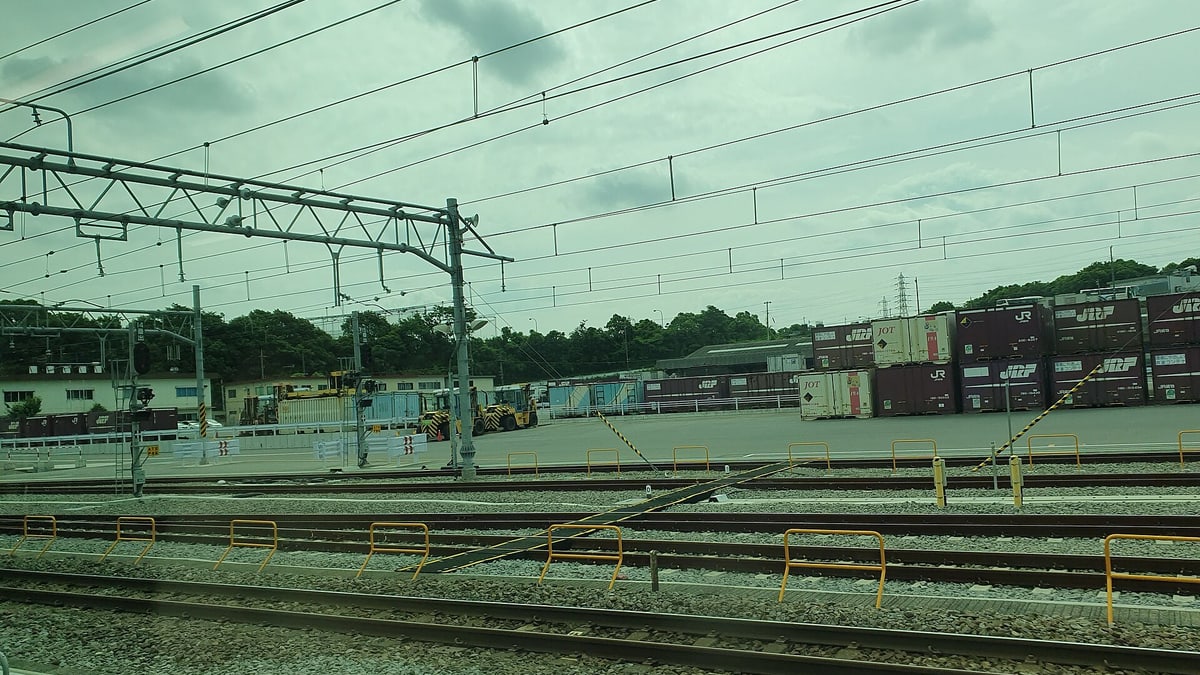
Photo: Wikimedia Commons, CC BY-SA 3.0, by Haguruma
That means the forwarder should not treat every small FBA shipment as a simple LCL booking. The forwarder needs to understand the destination mix inside the container.
If most cargo in a container is going to the U.S. East Coast, it may be more reasonable to ship the container to an East Coast port, unload it there, and deliver to nearby Amazon warehouses. If most cargo is going to the West Coast, the container may be better routed through a West Coast port before inland transfer.
This is where professional judgement matters. A lower ocean freight cost does not always mean the lowest total landed cost. A faster sailing does not always mean the best delivery plan. The right answer depends on cargo volume, Amazon warehouse distribution, urgency, inland trucking distance, and how the seller values time versus cost.
West Coast Routing: Why It Is Often Used
For many Asia-to-U.S. shipments, the U.S. West Coast is attractive because the ocean transit is generally shorter than an all-water service to the East Coast. If the goods are mainly destined for West Coast Amazon warehouses, this can be a natural routing choice.

Photo: Wikimedia Commons, CC BY-SA 3.0, by Haguruma
West Coast routing can also be selected for some East Coast-bound cargo when speed is a priority. In that case, the cargo moves by ocean to a West Coast port and then continues inland by truck or rail. This may shorten the ocean portion of the journey, but the inland cost can be higher.
A practical forwarder should explain this tradeoff clearly. The seller needs to know whether the plan is designed for cost saving, faster availability, or a balance of both.
Common reasons to choose West Coast entry include:
- The majority of FBA destinations are in the western United States.
- The seller needs a faster ocean leg for urgent replenishment.
- Cargo can be efficiently deconsolidated and dispatched inland.
- The container mix supports West Coast unloading without excessive cross-country repositioning.
The key point is that West Coast entry is not automatically the best choice. It is best when the destination pattern and service requirement support it.
East Coast Routing: When It May Be Better
If most cargo in a consolidated container is going to East Coast Amazon warehouses, shipping directly to an East Coast port may reduce inland complexity. The ocean journey may be longer, but the final delivery legs may become shorter and more logical.
This can be especially relevant when the container contains many shipments bound for fulfillment centers in the eastern or central United States. Sending that cargo through the West Coast could create long inland movements, additional handling, and higher domestic transportation costs.
A forwarder should look at the full route, not just the port of discharge. For Amazon sellers, the real question is not only where the container arrives. It is where the goods must finally be delivered, when they need to arrive, and how many separate deliveries must be arranged after unloading.
The Role of SKU and Warehouse Planning
Amazon collect shipping becomes more effective when shipment information is prepared early. The forwarder needs the FBA warehouse addresses, SKU breakdown, carton details, pallet requirements, and urgency level before finalizing the consolidation plan.
For example, two shipments may look compatible because they are both small. But if one shipment must move quickly to an East Coast warehouse and the other is low-priority cargo for a West Coast warehouse, putting them together may not be the best operational decision.
Useful information to provide includes:
- FBA shipment IDs and warehouse addresses.
- SKU and carton count by destination.
- Carton dimensions and gross weight.
- Palletization requirements, if any.
- Required delivery window or replenishment urgency.
- Whether the shipment can accept slower routing for cost control.
Better information allows the forwarder to build a more accurate plan. Poor information often creates last-minute changes, split deliveries, and avoidable cost.
[[IMAGE_2]]
What a Capable Forwarder Should Actually Do
A forwarder supporting Amazon collect shipping should do more than quote ocean freight. The service should include cargo coordination, consolidation logic, documentation checking, routing selection, and delivery planning.
At a practical level, the forwarder should be able to:
- Review the destination pattern across all cargo in the container.
- Decide whether West Coast or East Coast entry is more suitable.
- Separate urgent cargo from cost-sensitive cargo when needed.
- Plan loading according to destination and deconsolidation sequence.
- Check packing lists and commercial documents for consistency.
- Coordinate customs clearance and port-side handling.
- Arrange inland delivery after container unloading.
- Communicate routing tradeoffs before shipment departure.
This is the difference between simple cargo collection and professional FBA logistics planning. A low quote without routing explanation can become expensive later if the container is unloaded in the wrong region or if inland delivery is poorly organized.
Questions to Ask Before Choosing an Amazon Collect Shipping Forwarder
Before using an amazon collect shipping forwarder, sellers should ask direct operational questions. The answers usually reveal whether the provider understands FBA consolidation or is only selling a basic freight service.
Useful questions include:
- How do you decide whether the container should arrive at a West Coast or East Coast port?
- Do you review the full Amazon warehouse address mix before loading?
- Can you handle shipments with different SKUs and different FBA destinations?
- How do you separate urgent cargo from cost-saving cargo?
- What documents do you need before consolidation?
- How do you plan inland delivery after deconsolidation?
- What happens if Amazon assigns warehouses in different regions?
- Can you explain the cost and time tradeoff of each routing option?
The goal is not to find a forwarder who always recommends one route. The goal is to find a forwarder who can explain why a route fits the cargo.
Cost Saving Versus Speed: The Real Decision
Collect shipping is often used to reduce cost, especially when cargo volume is not enough for a full container. But FBA sellers also care about stock availability. Running out of inventory can be more damaging than paying a higher inland cost for urgent replenishment.
That is why a shipment plan should separate cargo priorities. Some goods can move through the most economical route. Other goods may need faster ocean service to the West Coast followed by inland transfer. The forwarder should help the seller compare these options in practical terms.
For industrial buyers and procurement teams, the same logic applies. A shipment for a scheduled production need may require a different routing plan from spare stock or non-urgent replenishment cargo.
Good collect shipping is not only about filling a container. It is about matching cargo priority with route design.
[[IMAGE_3]]
Common Mistakes in Amazon Collect Shipping
Several problems appear repeatedly in FBA consolidation:
- Choosing the port only by ocean freight cost.
- Ignoring the final Amazon warehouse distribution.
- Mixing urgent and non-urgent cargo without a clear plan.
- Sending mostly East Coast cargo through the West Coast without checking total inland cost.
- Sending mostly West Coast cargo through the East Coast because of a generic schedule.
- Providing incomplete SKU, carton, or FBA destination details.
- Treating Amazon delivery as a normal warehouse delivery.
These mistakes can create delays, extra handling, and higher total cost. They can also make communication difficult after the cargo has already departed.
Conclusion: Collect Shipping Requires Real Planning
Amazon collect shipping can be a useful option for sellers and importers with smaller FBA batches, mixed SKUs, and multiple warehouse destinations. It can help reduce cost by consolidating compatible cargo, but it only works well when the forwarder understands routing, destination patterns, urgency, and inland delivery planning.
For some shipments, the best plan may be to route through the U.S. West Coast, especially when most cargo is West Coast-bound or speed is important. For others, an East Coast routing may make more sense because the final Amazon warehouses are concentrated there. The professional value of the forwarder is in making that decision based on the shipment, not on a fixed habit.
Before booking, provide clear shipment data and ask how the consolidation plan will be built. A capable forwarder should be able to explain the route, the reason behind it, and the tradeoff between cost and time.
FAQ
What is Amazon collect shipping?
It is a freight forwarding arrangement where Amazon-bound cargo, often from different SKUs, suppliers, or sellers, is collected and consolidated before being shipped and delivered to FBA warehouses.
Is collect shipping the same as normal LCL shipping?
Not exactly. Normal LCL focuses on sharing container space. Amazon collect shipping also needs FBA warehouse planning, deconsolidation, and final delivery coordination.
Why does the forwarder need my Amazon warehouse addresses?
The warehouse addresses determine whether the cargo is mainly West Coast, East Coast, or mixed. This affects port selection, inland delivery cost, and transit planning.
Is West Coast routing always faster?
The ocean leg from Asia to the U.S. West Coast is often shorter, but final delivery may still require inland transportation. The total timeline depends on the final FBA destination.
When is East Coast routing better?
It may be better when most cargo in the container is going to East Coast or nearby inland Amazon warehouses, reducing the need for long domestic transfer.
Can different SKUs be consolidated together?
Yes, if carton details, destination labels, documentation, and handling requirements are clear. The forwarder should plan loading and separation carefully.
What should I prepare before asking for a quote?
Prepare carton count, dimensions, gross weight, SKU details, FBA shipment information, warehouse addresses, and any urgency or palletization requirements.
How do I know if my forwarder can support it?
Ask how they choose the port, how they review the destination mix, and how they manage deconsolidation and inland delivery. Clear operational answers are a good sign.