Skip to content
Importers often ask whether a freight forwarder can guarantee a delivery date for sea freight from China. The honest answer is: it depends on the requirement, the route, the cargo readiness, and how much schedule risk the buyer can tolerate.
Sea freight is built around estimated transit time, vessel schedules, port operations, customs clearance, and inland delivery capacity. A forwarder can plan tightly, reserve space, select a faster route, and reduce avoidable delays. But a fixed delivery promise must be handled carefully, because ocean shipping always includes variables outside one company’s control.
For King-Hor, the practical starting point is not simply “Can you guarantee it?” The better question is: “What delivery date is truly required, and what delay can the business still accept?” Once that is clear, the shipping plan becomes much more realistic.
First, Define Whether the Deadline Is Hard or Flexible
Before choosing a vessel, port, or trucking plan, the buyer should define the real delivery requirement. Many shipments sound urgent at first, but the actual commercial need may be more flexible after discussion.
A useful freight planning conversation starts with three questions:
- What is the latest date the goods must be received?
- How many days of delay can the business accept without serious impact?
- Is the priority lower cost, faster arrival, lower cargo handling risk, or a balance of all three?
For example, an Amazon seller may need inventory delivered before a seasonal promotion. A procurement team may need industrial parts before a factory maintenance window. A distributor may need goods before a customer delivery commitment. These are different kinds of urgency, and they should not automatically receive the same shipping solution.
If the deadline is a target date, a standard ocean freight plan with a reasonable buffer may be enough. If the deadline is a hard business requirement, the routing and budget need to reflect that. This is where the phrase guaranteed delivery date sea freight should be used carefully. It is possible to build a plan that strongly supports a required date, but it is rarely responsible to treat sea freight like a courier service with an unconditional delivery guarantee.
Why Sea Freight Dates Are Usually Estimated
Ocean shipping dates are based on schedules, but those schedules can shift. Even when the cargo is ready, the container is loaded correctly, and the booking is confirmed, several factors can affect the final delivery date.
Photo: Wikimedia, by-sa, by Haguruma
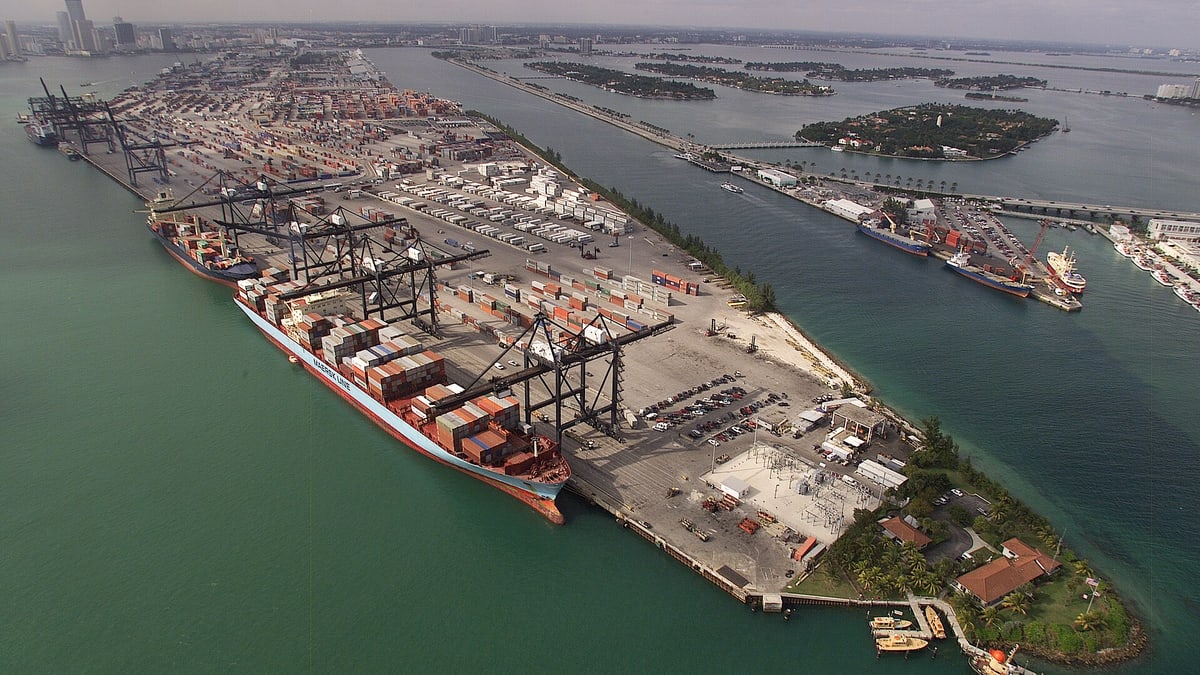
Photo: Wikimedia Commons, Public domain, by James R. Tourtellotte
Common variables include:
- Vessel departure changes
- Rolled containers when capacity is tight
- Port congestion at origin or destination
- Customs inspection or documentation issues
- Weather and operational disruption
- Inland rail or truck availability
- Warehouse appointment delays
A 3-4 day difference from the expected timeline is normal in many sea freight situations. This does not always mean something went wrong. It often reflects the way port operations, vessel arrival windows, customs release, and trucking appointments interact.
For buyers, the key is to avoid planning with zero buffer. If a factory, warehouse, Amazon appointment, or customer delivery window depends on the cargo, the schedule should include realistic breathing room.
Example: U.S. East Coast Delivery Before the End of September
Consider a buyer on the U.S. East Coast. The goods are ready in China, and the supplier says the cargo can be picked up and loaded into a container. The buyer asks to use a vessel sailing on July 15 and wants to receive the goods before the end of September.
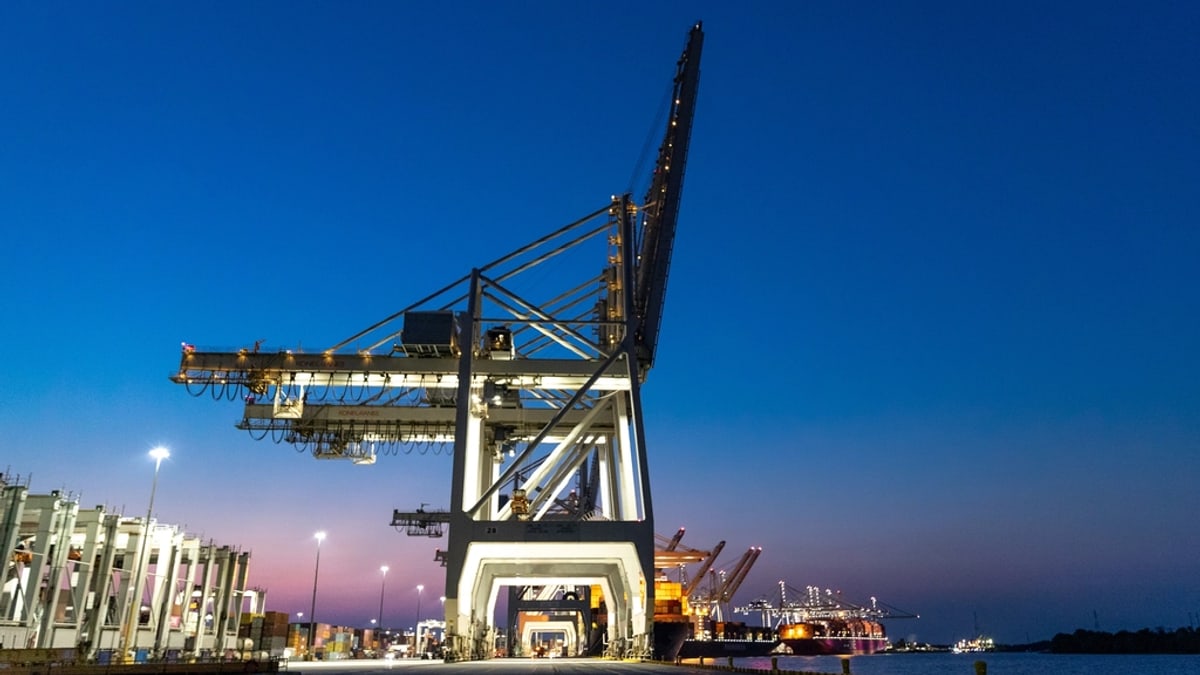
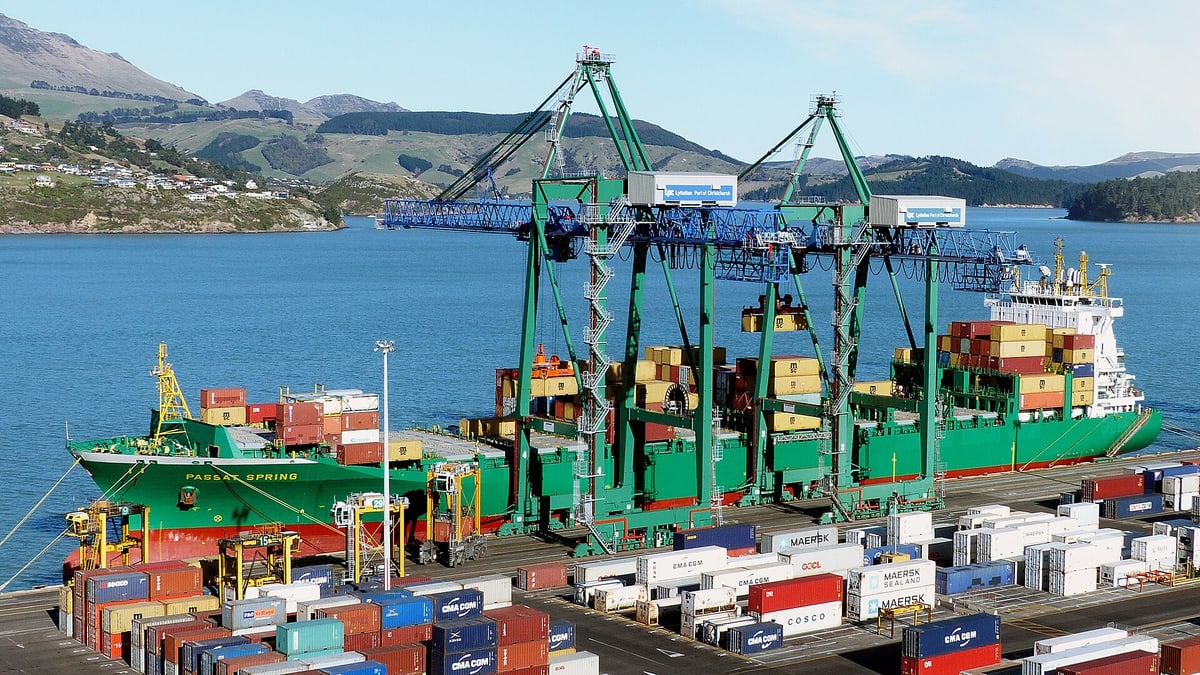
Photo: Openverse, CC0
This is a practical requirement. In many cases, an East Coast direct service can support that deadline, provided there is no container roll and the booking is managed properly. The freight forwarder should focus on:
- Confirming cargo readiness before booking
- Securing a suitable vessel schedule
- Using a direct East Coast service when appropriate
- Checking whether the space is protected or more likely to be rolled
- Preparing customs documents early
- Coordinating destination delivery before arrival
In this situation, the buyer is not asking for an unrealistic transit time. The schedule has room for normal ocean freight variation. A forwarder can help arrange the shipment with a strong chance of meeting the required date, especially if the container space is protected and the cargo is handled promptly at both ends.
Still, the wording matters. The forwarder should not overpromise. A responsible answer would be: based on the sailing date, route, and normal transit conditions, this plan is suitable for the end-of-September requirement, assuming no unusual disruption or container roll.
Example: Delivery Required Within 30 Days
Now consider a different request. The cargo is ready in China, but the buyer says it must be received within 30 days.
For many China-to-U.S. East Coast shipments, a standard direct ocean service may not be the right choice if the buyer truly needs delivery within 30 days. In that case, the forwarder may need to consider a faster solution, such as shipping by fast ocean service to Los Angeles or another U.S. West Coast port, then using long-distance inland trucking to the final destination.
This type of plan may support a much shorter overall timeline, but the tradeoffs are important:
- The cost is usually higher than a standard all-water route.
- The shipment has more logistics steps.
- Inland trucking over a long distance adds coordination risk.
- Fragile products may face more handling and movement risk.
- The buyer must be ready to make fast decisions on documents, customs, and delivery appointments.
This is why the cheapest route and the fastest route are usually not the same route. If a supplier or forwarder claims to offer a very low price and an unusually fast delivery date, the buyer should review the details carefully. There may be hidden assumptions, weak space protection, unrealistic transit estimates, or missing destination charges.
How to Build a Practical Sea Freight Delivery Plan
A strong plan begins with the required delivery date and works backward. The forwarder should not simply choose the lowest ocean rate and hope the schedule works. For time-sensitive cargo, the process should be more structured.
1. Confirm Cargo Readiness
The vessel schedule only matters if the goods are truly ready. The buyer should confirm:
- Finished production date
- Packing completion date
- Carton and pallet details
- Whether inspection is required
- Loading address and pickup contact
- Export documents from the supplier
A shipment can miss a sailing because the goods are “almost ready” for several days. For urgent cargo, that difference can be costly.
2. Set the Latest Acceptable Delivery Date
There should be one clear date that matters. “As soon as possible” is not enough for planning. The forwarder needs to know whether the goods must arrive before a sales event, production deadline, retail delivery appointment, Amazon receiving window, or customer commitment.
3. Add a Delay Tolerance
A buyer should state whether a delay of 3 days, 7 days, or 14 days is acceptable. This tolerance changes the shipping recommendation.
If 3-4 days is acceptable, a standard ocean plan may still work. If no delay is acceptable, the buyer may need a faster route, earlier sailing, partial air freight, or split shipping.
4. Select the Route Based on the Deadline
The route should match the business requirement. For example:
- East Coast direct vessel: often suitable when the deadline has enough buffer and lower handling is preferred.
- West Coast fast service plus inland truck: useful when speed is more important than cost and handling risk.
- Standard ocean with planned buffer: suitable when cost control matters and the date is flexible.
- Split shipment: useful when part of the cargo is urgent and the rest can move by normal sea freight.
The best solution depends on the cargo, the destination, the value of time, and the buyer’s risk tolerance.
What a Freight Forwarder Can Control
A forwarder cannot control every part of ocean shipping, but a good forwarder can control many important details.
A forwarder can help by:
- Checking realistic vessel options
- Booking suitable space
- Communicating cargo cut-off times
- Coordinating pickup and loading
- Reviewing commercial invoice and packing list consistency
- Preparing customs clearance early
- Tracking vessel movement and arrival updates
- Coordinating destination truck delivery
These actions reduce preventable delays. They also give the buyer better visibility, which is often just as important as speed.
What a Freight Forwarder Cannot Honestly Guarantee
Some delays are outside the forwarder’s direct control. These include vessel schedule changes, port congestion, customs inspection, weather disruption, terminal delays, and destination appointment availability.
This does not mean the forwarder has no responsibility. It means the delivery plan should be built with realistic assumptions. A professional forwarder should explain where the risk is, not hide it behind a simple promise.
For buyers, the warning sign is a quote that sounds perfect but contains no operational detail. If the answer is only “Yes, guaranteed,” ask what route is being used, whether the space is protected, what the estimated arrival and delivery windows are, and what happens if the container is rolled.
Conclusion: The Right Question Is Not Only “Can You Guarantee It?”
For sea freight from China, delivery dates should be planned carefully but discussed honestly. A freight forwarder can often create a strong plan to meet a required receiving date, especially when the buyer provides the deadline early and allows a reasonable buffer.
If the required date is realistic, such as receiving U.S. East Coast cargo before the end of September from a mid-July sailing, a direct East Coast service may be enough. If the buyer needs delivery within 30 days, a faster West Coast route plus inland trucking may be needed, with higher cost and more handling risk.
There is no route that is always cheap, fast, low-risk, and guaranteed at the same time. The right logistics plan depends on the buyer’s real deadline, acceptable delay, cargo type, and budget. Clear communication at the beginning is the best way to avoid expensive surprises later.
FAQ
Can a freight forwarder guarantee a sea freight delivery date?
A forwarder can plan around a required date and reduce avoidable delays, but sea freight is usually based on estimated schedules. Any guarantee should be discussed carefully.
Is 3-4 days of delay normal in sea freight?
Yes. A few days of variation can be normal because vessel arrival, port handling, customs release, and trucking appointments may shift.
What should I tell my forwarder if my shipment is urgent?
Share the latest acceptable delivery date, the delay tolerance, cargo readiness date, destination address, and whether cost or speed is the main priority.
Is direct U.S. East Coast service better than West Coast plus trucking?
It depends on the deadline. Direct East Coast service can reduce handling and may be suitable with enough buffer. West Coast plus trucking may be faster but usually costs more.
Why is a 30-day delivery request harder for sea freight?
A 30-day requirement may not leave enough time for standard ocean transit, customs, and final delivery, especially to inland or East Coast destinations.
Should fragile cargo use a fast West Coast plus truck route?
Not always. Long-distance trucking and extra logistics steps may increase handling risk. Fragile cargo needs careful route selection and packaging review.
What does “rolled container” mean?
It means the booked container does not load on the planned vessel and is moved to a later sailing. This can affect the delivery timeline.
How can buyers reduce delivery date risk?
Prepare cargo and documents early, choose the route based on the real deadline, allow a realistic buffer, and confirm booking details before shipment.