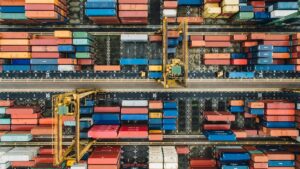
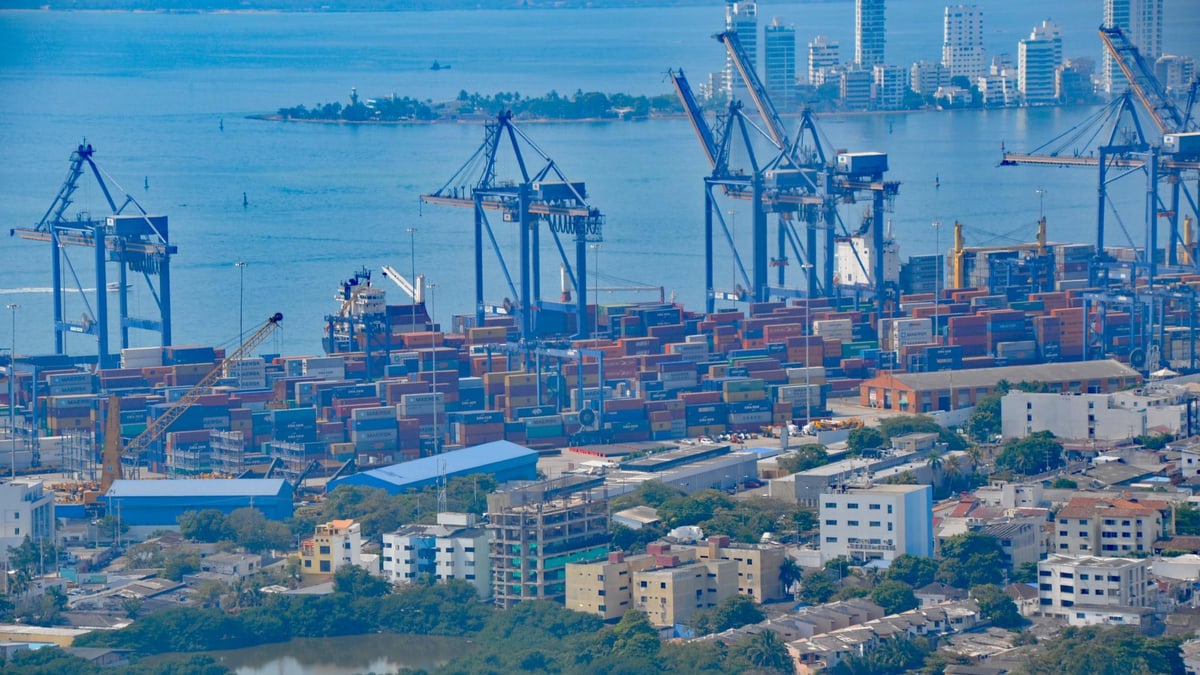
A port strike can turn a routine China freight shipment into a chain of delays, extra charges, and missed delivery windows. When terminal labor stops or slows, containers may remain on vessels, sit inside congested terminals, or wait outside the port on delayed ships.
For overseas importers, Amazon sellers, procurement teams, and industrial buyers, the practical response is not simply to wait for the strike to end. The priority is to identify exposure early, understand which costs and milestones are at risk, and evaluate whether cargo can move through an alternative port.
What Happens at a Port During a Strike?
Modern container terminals depend on coordinated labor to operate cranes, move containers, inspect cargo, manage gates, and support vessel loading and discharge. A strike can interrupt several or all of these activities.
Depending on the scope of the labor action, a terminal may experience:
- Suspended or reduced vessel loading and unloading
- Limited container movements within the terminal
- Closed or restricted truck gates
- Delayed customs or inspection appointments
- Longer queues for vessels waiting for a berth
- Missed rail, barge, or trucking connections
- Accumulating import and export containers
Even a short disruption can create a backlog that takes days or weeks to clear. Once the terminal becomes congested, normal operations do not immediately restore the original schedule. Workers, cranes, truckers, warehouses, and equipment must process both newly arriving cargo and the accumulated backlog.
How a Port Strike Affects China Freight
The port strike China freight impact depends on where the disruption occurs and what stage the shipment has reached. Cargo still at a supplier in China has more routing options than a container already loaded on a vessel bound for the affected port.
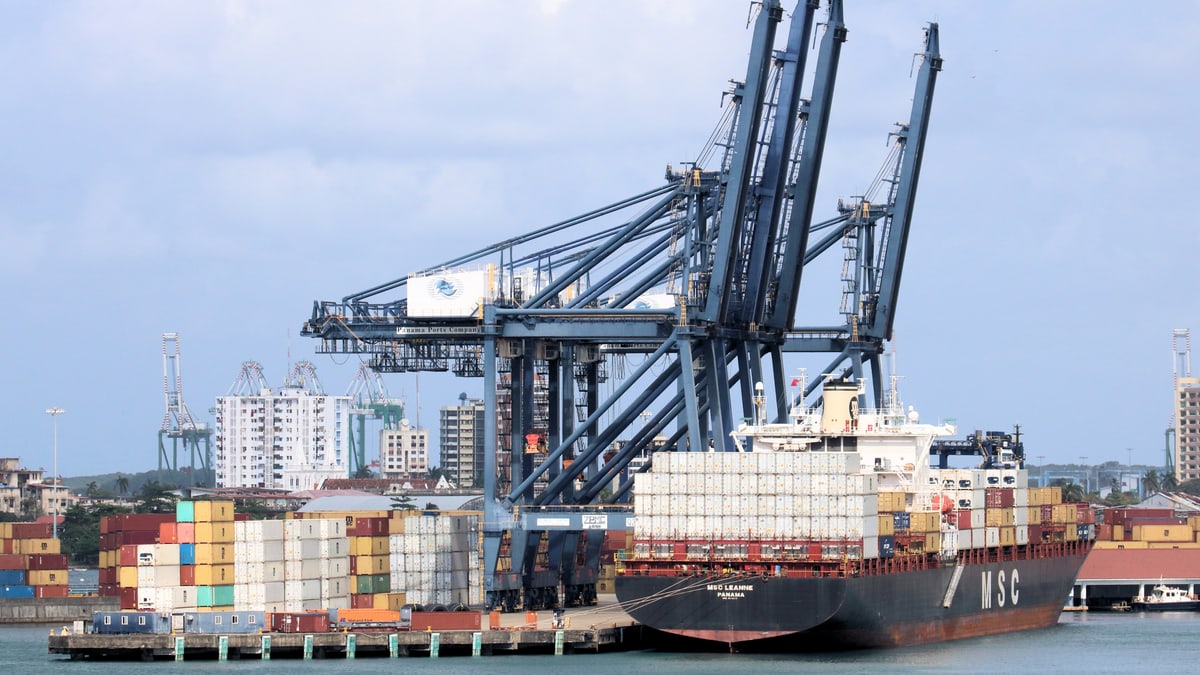
Photo: Wikimedia, by-sa, by Paul Harrison
Containers May Be Trapped at the Terminal
If a container has been discharged but cannot leave the terminal, it may remain in the port until truck gates reopen and an appointment becomes available. The consignee may have completed customs clearance and arranged delivery, but the physical container still cannot move.
This creates a separation between documentation status and operational status. A shipment can be legally cleared yet remain unavailable for pickup.
Vessels May Wait Outside the Port
When berths cannot process ships, arriving vessels may anchor offshore or slow their voyage. Each waiting vessel adds to the queue. Shipping lines may then omit the affected port, change the port rotation, or discharge cargo at another terminal when operationally possible.
These decisions are controlled by the carrier and may be made after the vessel has departed. Importers should therefore monitor carrier notices rather than relying only on the original bill of lading schedule.
Delivery Dates Become Uncertain
A strike affects more than the estimated arrival date. It can disrupt terminal pickup, chassis availability, trucking capacity, warehouse receiving appointments, production schedules, and downstream deliveries.
For Amazon sellers, the result may be a missed replenishment window or low inventory. For industrial buyers, the consequences may include delayed components, interrupted installation work, or production planning changes. Procurement teams may also need to coordinate revised receiving dates across multiple departments.
The Main Cost Risks
A port strike does not automatically produce every possible charge. Costs depend on the carrier, terminal rules, free-time terms, container status, and local conditions. However, several exposures should be reviewed immediately.
Demurrage and Terminal Storage
Demurrage or terminal storage may apply when an import container remains inside the terminal beyond the permitted free period. Whether charges are assessed during a labor disruption can depend on the applicable tariff, contract, jurisdiction, and the availability of container pickup.
Importers should keep records showing terminal closures, rejected appointments, carrier notices, and attempts to collect the container. These records can be important when reviewing or disputing invoices.
Detention and Equipment Delays
Detention generally relates to keeping carrier equipment outside the terminal beyond the allowed period. It may become relevant after a container is finally collected, especially if warehouses and empty-return depots are also congested.
An importer should confirm where the empty container can be returned and whether the nominated depot is accepting equipment before dispatching a truck.
Trucking and Warehouse Charges
Truckers may charge for waiting time, failed pickup attempts, rescheduled appointments, or additional distance. Warehouses may also charge for missed receiving slots, labor rescheduling, or short-notice unloading.
The safest approach is to avoid sending a truck until container availability and terminal access are confirmed. Repeated speculative pickup attempts can add cost without improving cargo movement.

When an Alternative Port Can Reduce the Risk
One of the most useful risk-management options is to route new shipments through a nearby port that is not participating in the strike. For example, if Miami is affected and the shipment profile permits it, Jacksonville may be evaluated as an alternative gateway.
This is not an automatic substitution. The freight forwarder should compare the complete route, including:
- Carrier services and sailing frequency
- Whether the alternative port is operating normally
- Ocean transit time and transshipment requirements
- Distance from the port to the final destination
- Trucking capacity and inland cost
- Customs clearance and inspection arrangements
- Warehouse receiving capability
- Container free time and return locations
- Cargo cutoff dates and supplier readiness
A port that is open but poorly connected to the destination may create a different bottleneck. The correct comparison is therefore door to door, not port to port.
The Decision Must Be Made Early
Rerouting is easiest before booking or before the container enters the origin terminal. Once cargo is loaded and the bill of lading route is confirmed, changing the destination can require carrier approval, documentation amendments, operational feasibility checks, and additional charges.
Cargo already on the water may have fewer options. In that situation, the forwarder should verify whether the carrier plans to wait, omit the port, or discharge elsewhere. Importers should not arrange an independent diversion based only on news reports.
A Practical Port-Strike Response Plan
A structured response helps teams avoid rushed and inconsistent decisions.
1. Map Every Exposed Shipment
Create a list of purchase orders and containers connected to the affected port. Record the booking number, container number, vessel, estimated arrival, cargo status, customs status, free-time terms, and final delivery requirement.
Separate shipments into four groups: not booked, booked but not gated in, loaded at origin, and already at the destination terminal. Each group requires a different response.
2. Verify the Operational Scope
Confirm whether the action affects one terminal, an entire port, several ports, or a wider coast. Check carrier advisories, terminal gate notices, appointment systems, and local operational updates. A general news headline may not accurately describe access to a specific container.
3. Protect the Most Time-Sensitive Cargo
Prioritize shipments tied to production shutdown risks, retail launches, contractual delivery dates, or low inventory. If cargo has not departed, compare alternative ports and sailing options before less urgent freight.
Air freight may be evaluated for a small quantity of critical goods, but it should be treated as a separate cost-and-capacity decision rather than a universal replacement for ocean freight.
4. Review Free Time and Document Evidence
Ask the carrier or forwarder to confirm applicable free time and current container availability. Save screenshots, notices, appointment rejections, emails, and invoices. Do not assume that all strike-related charges will be waived automatically.
5. Reconfirm Inland Capacity
When the terminal reopens, demand for trucking and warehouse appointments may surge. Reserve capacity based on realistic container availability, and keep receiving teams informed of changing dates. Confirm empty-return instructions before the final delivery is completed.
How to Prepare Before the Next Disruption
Port labor risks are difficult to predict precisely, but shipment planning can reduce the consequences. Importers should avoid depending on a single gateway when reasonable alternatives exist, especially for recurring or time-sensitive cargo.
Maintain basic routing data for primary and secondary ports, including carrier coverage, inland distance, broker capability, warehouse options, and typical equipment-return arrangements. Review upcoming labor negotiations and carrier notices before peak shipping periods. Purchase orders should also include enough lead time to absorb normal variability.
For strategically important goods, consider splitting volume across sailings or gateways. This may increase coordination work, but it prevents every container from being exposed to the same terminal disruption.
Conclusion
During a port strike, the immediate problems are operational stoppage, container accumulation, vessel queues, and uncertain delivery timing. These conditions can lead to terminal storage, equipment, trucking, and warehouse costs while disrupting inventory or production plans.
The most effective response begins before cargo reaches the affected gateway. Identify exposed shipments, verify terminal-level conditions, compare complete door-to-door alternatives, and reroute eligible cargo through a nearby operating port when the timing and economics make sense. For containers already in transit, close monitoring, documentation, and coordinated inland planning are essential.
FAQ
Can a freight forwarder reroute a shipment after a strike begins?
Sometimes. Rerouting is most practical before the container enters the origin terminal. Changes after loading require carrier approval and may involve documentation, operational, and cost implications.
Will all containers incur demurrage during a port strike?
Not necessarily. Charges depend on free time, tariffs, contracts, local rules, and whether pickup was possible. Keep evidence of closures and unsuccessful collection attempts.
Can customs clearance continue while a terminal is closed?
Documentation processing may continue in some cases, but clearance does not guarantee physical access to the container. Inspections can also be delayed if cargo cannot be moved.
Should I send a truck as soon as the vessel arrives?
No. Confirm that the container has been discharged, released, available, and covered by a valid terminal appointment before dispatching a truck.
Is the nearest alternative port always the best choice?
No. Compare carrier service, sailing time, inland distance, trucking capacity, customs arrangements, warehouse access, and total door-to-door cost.
What happens if the carrier skips the affected port?
The carrier may retain the cargo onboard or discharge it at another port. Obtain written routing instructions and confirm how the container will reach its final destination.
How can Amazon sellers reduce port-strike exposure?
Maintain inventory visibility, book with sufficient lead time, identify secondary gateways, and prioritize critical replenishment shipments before the disruption reaches its peak.