Skip to content

Buying freight insurance does not mean every damaged shipment will be reimbursed. For importers, Amazon sellers, procurement teams, and industrial buyers, the important questions are what the policy protects, which losses it excludes, and when coverage ends.
This guide explains freight forwarder insurance coverage, the difference between cargo and liability policies, and the practical steps that protect your ability to claim.
Cargo Insurance vs. Freight Forwarder Liability Insurance
These policies protect different interests:
- Cargo insurance protects the insured interest in the goods against covered physical loss or damage. Settlement depends on the insured value, deductible, limits, and policy conditions.
- Freight forwarder liability insurance protects the forwarder against covered legal liability arising from its services, potentially including operational errors or omissions.
A forwarder's insurance does not automatically entitle you to the shipment's full value. Liability must be established, and contractual or legal limits may restrict recovery. Policy limits also vary; they are not universally low, but they should never be treated as equivalent to cargo protection. TT Club distinguishes cargo cover from forwarder liability cover.
Before booking, ask whether the insurance offered covers your goods or only the forwarder's liability.
What Cargo Insurance May Cover
Under broad all-risks wording, accidental physical loss or damage during the insured transit may include:
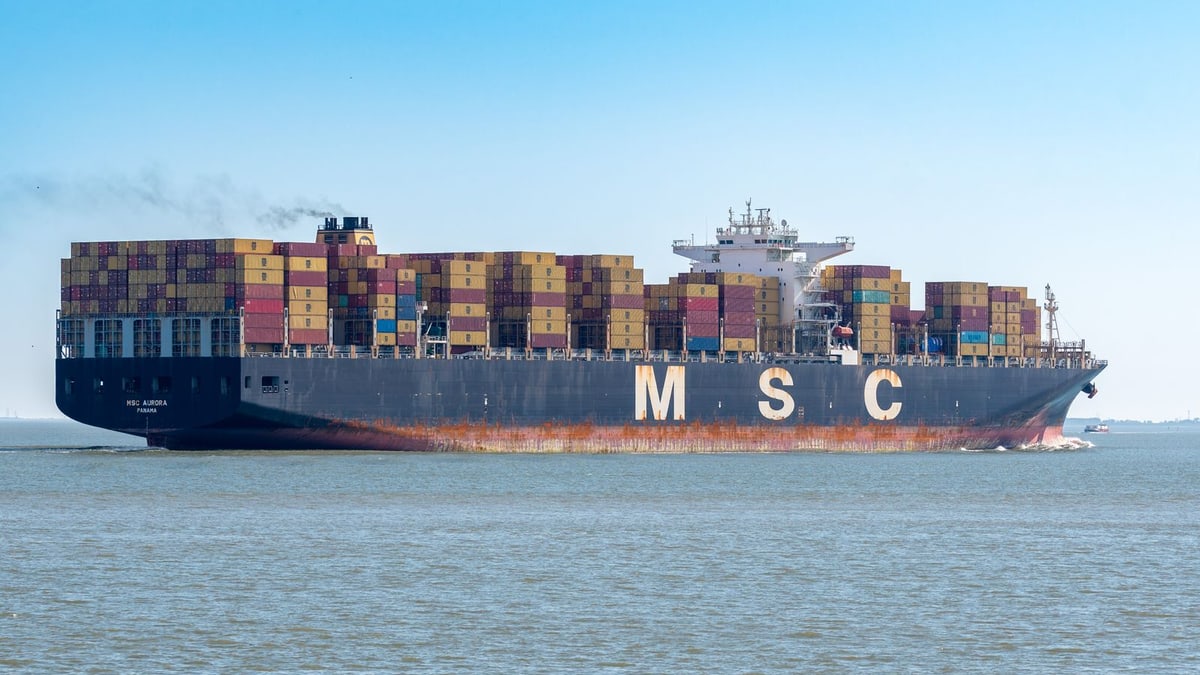
Photo: Pexels, Pexels License, by Pexels contributor
- Natural disasters: typhoons, floods, earthquakes, or severe storms that damage the goods.
- Transport accidents: vessel grounding, collisions, truck overturning, or fire.
- Theft and missing packages: stolen cargo or packages lost during transit, subject to evidence and policy terms.
- Handling accidents: a crate dropped during lifting or goods damaged during covered loading and unloading.
- Accidental packaging damage affecting the contents: an external impact breaks suitable packaging and damages the product inside.
For example, machinery damaged when a forklift drops a properly packed crate may qualify. Machinery damaged because its crate could not withstand ordinary handling presents a different claim.
What Standard Cargo Insurance Usually Excludes
The cause of the loss matters as much as the visible damage. Common exclusions and coverage gaps include the following.
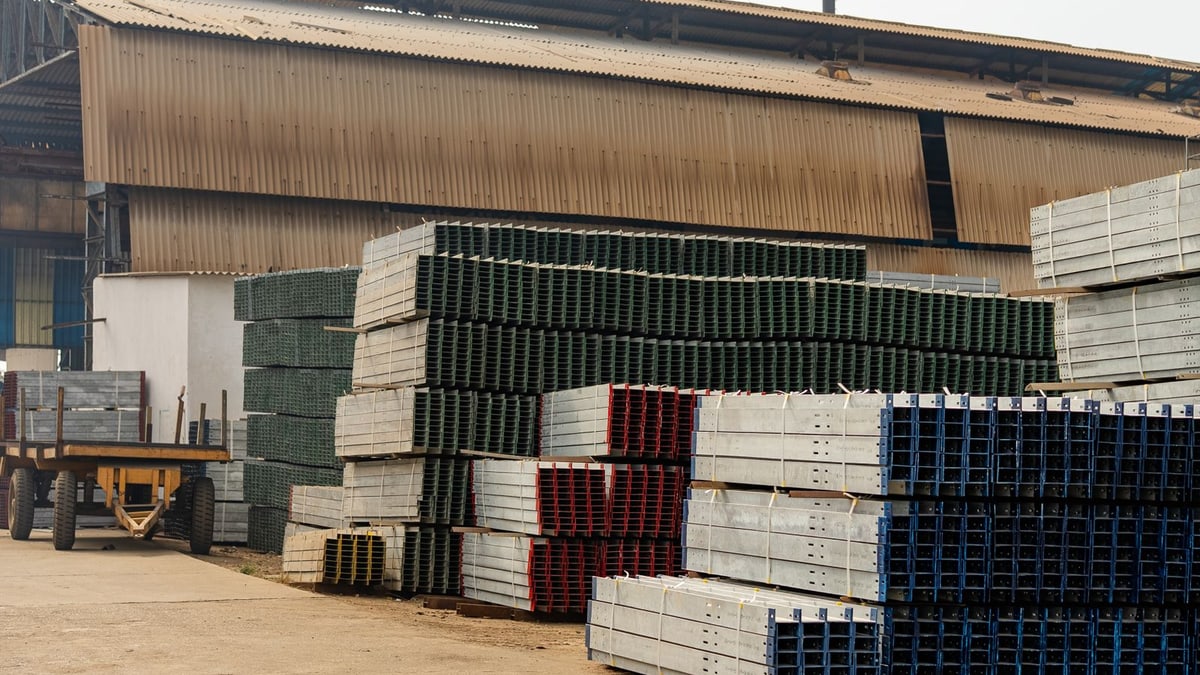
Photo: Pexels, Pexels License, by Pexels contributor
Inherent Defects, Natural Deterioration, and Poor Packing
Ordinary shrinkage, normal weight loss, inherent deterioration, and manufacturing defects generally fall outside standard protection. Examples include fruit naturally losing moisture or a product failing because of defective workmanship.
Damage caused by inadequate packing completed before coverage begins is commonly excluded. Weak cartons, insufficient cushioning, or unsuitable securing can undermine a claim. Insurance does not replace packaging designed for the journey.
Damage Before the Insured Transit
A policy covering the journey generally does not pay for damage that already existed before coverage attached. Preloading inspection records and dated photographs help establish the goods' original condition.
Delay and Commercial Losses
Late arrival, customer cancellation, contractual penalties, lost sales, and ordinary market price declines are generally outside standard cargo cover. An Amazon seller missing a seasonal sales window should not expect reimbursement simply because the shipment was insured.
Even when an insured accident causes the delay, the resulting delay loss is generally excluded.
War, Strikes, and Government Action
War and strike risks are normally excluded from basic cargo clauses unless appropriate separate cover is included. Customs detention, confiscation, and fines should not be assumed covered. Adding war or strikes insurance does not automatically insure customs enforcement losses.
Deliberate Misconduct and Inaccurate Declarations
Deliberate misconduct by the insured is excluded. Concealed dangerous goods, misleading product descriptions, or false values can also jeopardize coverage. The consequences of inaccurate disclosure depend on the policy and applicable law; errors do not all produce the same outcome.
All Risks Does Not Mean Every Loss
Read the actual clause version and endorsements. Institute Cargo Clauses (A), commonly described as all risks, still contain exclusions. Clauses (B) and (C) provide narrower protection. Chinese policies described as FPA or WPA also generally offer narrower cover than all risks; compare their wording rather than assuming exact equivalence.
Photo: Pexels, Pexels License, by Pexels contributor
Theft, accidental breakage, and some moisture damage may already fall within broad all-risks protection. Under narrower policies, extensions may be needed. Heat damage and temperature-sensitive cargo require particular attention.
War and strikes cover must be expressly included, whether bundled or separately purchased. Extensions can attract additional premiums. Request written confirmation of each relevant risk instead of assuming every add-on is necessary or automatically included.
When Warehouse-to-Warehouse Coverage Starts and Ends
Warehouse-to-warehouse protection can begin before the vessel sails. Under Institute Cargo Clauses (A) 2009, it starts when goods are first moved at the named origin for immediate loading to commence transit.
It generally ends when unloading finishes at the named final warehouse, but other termination events can occur earlier. These include choosing storage outside ordinary transit; a post-discharge time limit also applies. A delivery signature alone does not define every policy's endpoint. See the Institute Cargo Clauses (A) transit provisions.
For Amazon shipments, check whether the named destination is a preparation warehouse or the fulfillment center. Later transfers, extended port storage, and changed destinations may require insurer agreement.
What to Do When Cargo Arrives Damaged
- Record the condition immediately. Photograph goods, packaging, container numbers, and seals. Note visible damage or shortages on delivery documents.
- Notify the insurer promptly. Follow the certificate's reporting instructions and request survey guidance.
- Prevent further damage. Take reasonable protective measures, while preserving evidence. Seek instructions before disposal, repairs, or salvage sales where practicable.
- Keep the documents. Retain the insurance certificate, bill of lading or air waybill, invoice, packing list, weight records, and inspection reports.
- Notify responsible carriers in writing. Observe applicable deadlines and preserve recovery rights.
Late notification, discarded evidence, or waived carrier rights can reduce or defeat recovery. TT Club's policy wording illustrates these claims duties.
Before You Ship: Confirm the Protection
Declare the goods, value, packaging, dangerous-goods status, route, and planned transshipment accurately. Check the insured party, deductible, exclusions, destination, and extensions before departure.
A forwarder can assist with arranging insurance and assembling claim documents. The insurer assesses coverage under the policy; assistance is not a payout guarantee. Any separate legal liability of the forwarder remains a distinct issue.
FAQ
Does all-risks insurance cover every damaged shipment?
No. Exclusions, transit limits, deductibles, and claim conditions still apply.
Is my cargo protected because my forwarder has insurance?
Not automatically. Confirm that cargo insurance covers your shipment and insured interest.
Can I claim when a customer cancels because delivery is late?
Standard cargo insurance generally excludes delay-related cancellation and lost revenue.
Is theft insurance always an extra purchase?
No. Broad all-risks cover may include theft; narrower policies may need an extension.
Does coverage continue after warehouse delivery?
Usually not after the insured transit ends. Later storage or distribution needs confirmation.
Can poor packaging cause a claim rejection?
Yes. Damage caused by excluded inadequate packing may be declined, even under all-risks cover.