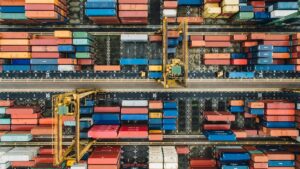

Handling a return shipment from the USA back to China is one of the most stressful situations an importer can face. Whether the issue is a quality dispute with your buyer, a customs hold, or a clearance mistake made by your freight forwarder, the path forward depends entirely on diagnosing the root cause correctly. The wrong move at this stage can mean weeks of demurrage charges, abandoned cargo, or thousands of dollars in unrecoverable losses. This guide walks you through every realistic scenario for a return shipment from USA to China, what triggers each one, who pays, and the exact steps to take so you can recover your goods or at least minimize the damage.
Start by Diagnosing Why the Goods Need to Be Returned
Before you contact a shipping line, a freight forwarder, or your buyer, you need a clear answer to one question: why is this cargo being returned? The reason determines who is legally and financially responsible, what documents you will need, and whether the return is even possible under U.S. Customs and Border Protection (CBP) rules. A return triggered by a buyer's quality complaint is a commercial issue you can negotiate. A return triggered by a CBP inspection is a regulatory issue with strict deadlines. A return triggered by a forwarder mistakenly changing the Importer of Record (IOR) is a liability issue. Each of these requires a completely different playbook, so do not let anyone push you into a generic 'just ship it back' solution before you know which bucket your situation falls into.
Scenario 1: Quality Disputes and Buyer-Initiated Returns
When your U.S. customer wants to send the goods back because of product defects, wrong specifications, or order errors, the process is almost entirely commercial. There is no customs emergency, no inspection clock ticking, and CBP generally does not care who keeps the merchandise as long as the export paperwork is clean. Your first step is to negotiate the return terms directly with your buyer in writing. Settle two things up front: who pays for the return freight (ocean or air), and how the cost of any rework, restocking, or refund will be split. Once both sides sign off, you can arrange the return as a normal export shipment from the U.S. back to China, with your forwarder issuing a new bill of lading and handling Chinese import clearance on arrival. Because there is no government pressure, you can take time to compare LCL versus FCL options, consolidate with other return cargo, or even route the goods to a third country if that makes more commercial sense.
Scenario 2: Customs-Triggered Returns and the 5H / 9H Exam Codes
Customs-triggered returns are far more complex, and in 2026 they are becoming more common as CBP escalates its inspection categories. In most routine exams, CBP will not order an outright return — they will issue a Request for Information, a CF-28 or CF-29 notice, and give the importer time to provide supporting documents, product certifications, or origin proof. The shipment usually clears once you respond properly. The trouble starts when an exam is upgraded to a 5H (intensive contraband or IPR exam) or 9H (high-risk security/compliance exam) category. These are bad news for any importer, but they are especially dangerous for e-commerce sellers who clear cargo under so-called 'ghost importers' — shell IORs with no real office, no staff, no purchase orders, no payment records, and no contracts that match the shipment. When CBP digs into a 5H or 9H exam and the ghost importer cannot produce consistent documentation, the best realistic outcome is permission to re-export the cargo back to China. The seller absorbs 100% of the loss, the U.S. buyer is usually out of the picture entirely, and any duties already paid are generally not refunded.
How to File an Export-in-Bond or Re-Export Request
If CBP grants you the option to return the cargo, timing is everything — and the easiest version of this process happens before the container is discharged at the port. As soon as you know the exam outcome, file a formal re-export request (commonly handled as an Export-in-Bond or a request for permission to export under CBP supervision) and wait for written approval. Once approved, your forwarder coordinates with the steamship line on the specific operational steps: keeping the container on the terminal, arranging a return booking on an outbound vessel to China, generating a new export bill of lading, and filing the required Electronic Export Information (EEI) through AES. If the container has already been discharged or moved to a bonded warehouse, the process gets more expensive — you may face storage, demurrage, drayage back to port, and additional CBP supervision fees. A competent forwarder with a physical presence in Los Angeles, such as King-Hor's LA warehouse and customs team, can often intervene before the container is gated out and save you thousands in avoidable charges.
Scenario 3: When a Freight Forwarder Secretly Changed Your Importer of Record
There is a third scenario that has become disturbingly common in the China-to-USA trade lane, and importers need to know about it. Some forwarders, looking for a shortcut, will quietly change the Importer of Record on a shipment without the buyer's written authorization. This happens most often when the legitimate U.S. buyer has its own company and IOR but the forwarder doesn't want to wait for the proper Power of Attorney (POA) and supporting documents. They substitute a different IOR — sometimes one of their own shell entities — to push the clearance through faster. When CBP later catches a discrepancy and the cargo gets flagged for return, the financial responsibility belongs to the forwarder, not the buyer or seller. U.S. customs clearance legally requires the IOR's authorization via a signed POA and matching commercial documents. If your forwarder skipped that step and your goods are now stuck, document everything in writing immediately, demand a copy of the entry summary (CBP Form 7501), and pursue the forwarder for the full cost of the return, storage, and any duties or penalties.
Documents You Will Need for Any Return Shipment USA to China
Regardless of which scenario you fall into, every return shipment from the USA to China requires a consistent document package. Missing or mismatched paperwork is the single most common reason returns get delayed at either end. Prepare these before you book the return:
- Original U.S. import entry summary (CBP Form 7501) and the original bill of lading
- Written CBP approval to re-export, if the return was customs-triggered
- New commercial invoice and packing list marked clearly as 'Returned Goods — No Commercial Value' or with the correct return valuation
- Electronic Export Information (EEI) filing through AES, including the correct Schedule B code and reason-for-export code
- China import documents: HS code classification, importer's customs registration, and proof that the goods originated in China (to qualify for duty-free re-importation under China's returned-goods provisions)
- Signed authorization or POA between the shipper and the freight forwarder handling the return
- Any inspection certificates, photos, or quality reports if the return is buyer-initiated
How to Prevent Return Shipments in the First Place
The cheapest return shipment is the one you never have to make. The pattern across all three scenarios above is the same: returns get expensive when documentation is sloppy, when corners are cut on clearance, or when the parties involved are not who they claim to be. Compliant importing is genuinely the best insurance policy. That means working with a real IOR, issuing a proper POA to your forwarder, and making sure every document tells the same story — the commercial invoice matches the purchase order, the purchase order matches the wire transfer, the wire transfer matches the bill of lading, and the bill of lading matches what is physically in the container. We call this 'piao piao yi zhi' — every document consistent with every other. When your paperwork is consistent, even a 5H or 9H exam usually ends the same way: CBP verifies the facts, finds no discrepancy, and releases the cargo. King-Hor's customs and compliance team builds shipments around this principle, which is why our clients rarely end up needing return logistics in the first place.
A return shipment from USA to China is never just a logistics problem — it is a diagnosis problem first. Identify whether the trigger is commercial, customs-related, or caused by forwarder misconduct, because each path has different costs, deadlines, and responsible parties. Act fast before the container is discharged, keep your documentation airtight, and never let a forwarder change your IOR without written authorization. If you are already facing a return situation, or you want to set up your next China-to-USA shipment so this never happens to you, reach out to King-Hor Supply Chain. Our teams in Shenzhen, Hong Kong, and Los Angeles handle compliant clearance, re-export filings, and return logistics every week — and we would rather help you avoid the problem than clean it up.