Skip to content

A customs inspection in China does not automatically mean your shipment has a problem. Selection can involve random checks or risk controls triggered by product characteristics and declaration details. Preparation helps your team respond calmly and avoid unnecessary delays.
For overseas importers, Amazon sellers, procurement teams, and industrial buyers, effective customs inspection preparation in China starts before collection. This guide covers export documents, packing, inspection coordination, and common mistakes. Destination-country import clearance requires separate preparation.
Make the Declaration Match the Goods
The first principle is consistency: the declaration and supporting documents must accurately describe what is actually packed.
Before dispatch, ask your supplier and customs broker to cross-check:
- Product names, materials, specifications, and models.
- Quantities and units of measurement.
- Net weight, gross weight, and package count.
- Brands, country of origin, and identifying marks.
- Declared value, currency, and transaction terms.
Use specific descriptions. “Stainless steel pump housing” gives more useful information than “metal accessories.” Have the broker review the HS classification using the product’s function, composition, and technical details.
Check the final packed shipment against the latest documents. A last-minute substitution, extra sample, or missing carton can create a discrepancy even when the original paperwork was correct.
Build a Document Pack Before Collection
Keep one clearly named electronic folder and arrange printed copies when needed locally. Give your forwarder and broker access before the shipment reaches the inspection location.

Photo: Pexels, Pexels License, by Pexels contributor
Core shipment documents
Prepare the commercial invoice, packing list, sales contract, and information needed for the export declaration. Include booking or shipping instructions and available transport documents. A final ocean bill of lading may not yet exist during a pre-loading export inspection.
Add product specifications, photographs, model references, and a short explanation of intended use. For industrial components, drawings can help explain unfamiliar shapes or functions.
Conditional supporting documents
Ask the broker which permits, inspection records, certificates, or supporting evidence apply to the exact goods and trade arrangement. These may include:
- Certificates of origin, where required or requested.
- Brand authorization or other evidence of legitimate sourcing and trademark rights.
- Applicable testing, quarantine, or product inspection documents.
- Export permits for controlled goods.
Do not assume every export needs CCC certification or the same inspection certificate. Requirements depend on the product and applicable rules. China’s declaration rules also require timely explanations or complete supporting materials when Customs requests them. GACC declaration provisions
Pack for Identification and Safe Inspection
Clear packing helps inspectors locate, count, and identify goods without unnecessary unloading.
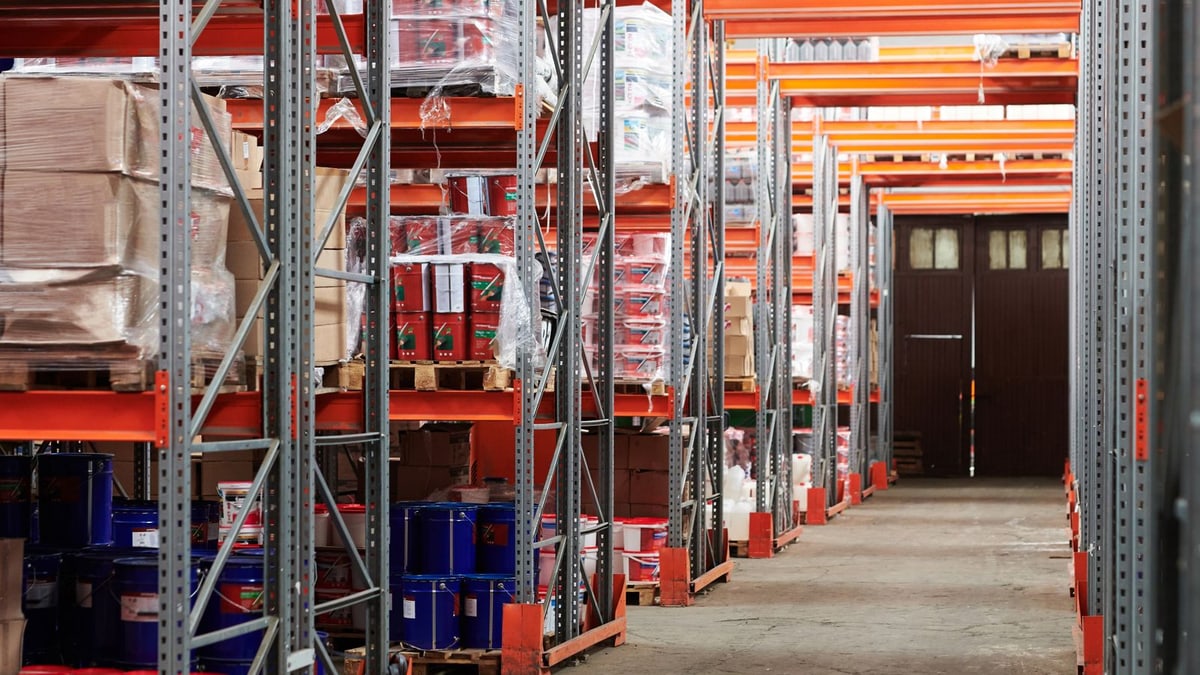
Photo: Pexels, Pexels License, by Pexels contributor
Make carton and pallet numbers correspond to the packing list. Keep destination and shipper or consignee details consistent wherever shown. Remove obsolete shipping marks and unrelated labels, while retaining required safety and transport labels.
Separate different models or products wherever practical. For mixed cartons, use internal dividers, clear labels, and a carton-level contents list. Amazon FNSKU labels can help identify stock, but they should not replace understandable product descriptions.
Use packaging that protects the goods and can be opened and resealed safely. Avoid unnecessary layers or excessive permanent fasteners. For heavy machinery or protective crates, explain safe opening points and any lifting requirements in advance.
Photograph the packed goods, carton marks, and pallet arrangement before dispatch. These records help your broker answer questions and locate selected items.
Check Sensitive Cargo Early
Flag batteries, powered devices, magnets, chemicals, food, cosmetics, medical devices, wood products, and branded goods before booking. Each category needs a product-specific review.
Photo: Pexels, Pexels License, by Pexels contributor
For chemicals and batteries, identify relevant safety data sheets, test documentation, dangerous-goods classification, and transport requirements. An SDS alone does not establish that a shipment meets every requirement. Magnetic cargo may need additional assessment depending on the transport mode.
Food and other regulated products may require quarantine, health, registration, or inspection documents. Confirm requirements for both export from China and entry into the destination market.
Distinguish wood products from wood packaging. ISPM 15 generally covers regulated raw-wood pallets, crates, and dunnage; qualifying processed-wood packaging, such as plywood, is excluded. Compliant treatment is not limited to fumigation. Check applicable treatment and marking requirements. IPPC guidance on ISPM 15
Counterfeit goods cannot be made compliant through better paperwork or packing.
Declare a Supportable Value
Keep purchase contracts, invoices, payment records, and explanations for legitimate discounts available. Your broker should understand what the transaction price includes and apply the relevant declaration rules.
Do not understate value to evade duties or inflate it to support an improper rebate claim. If Customs questions the price, provide evidence and a consistent explanation. Never create replacement invoices merely to make a questioned figure appear credible.
Coordinate the Inspection
When an inspection notice arrives, confirm who will arrange attendance, cargo handling, opening, and resealing. China Customs’ inspection guidance describes these responsibilities for the consignor or its representative. Customs inspection procedure
Do not independently replace, remove, add, or relocate goods under customs control. Follow instructions through your authorized representative.
Keep a supplier contact available to explain materials, composition, operation, and intended use. Answer questions accurately; if something needs checking, verify it rather than guessing. Request progress updates and retain inspection-related records.
Allow for Time, Costs, and Follow-up
Leave several days of planning flexibility where possible, without treating that buffer as a guaranteed inspection duration. Sampling, testing, or missing documentation can extend the process.
Potential third-party charges include handling, unpacking, repacking, storage, and container demurrage or detention. Ask for applicable tariffs, free-time deadlines, and supporting invoices. Clarify responsibility before costs accumulate.
If requirements are satisfied, Customs can release the shipment. Discrepancies may require authorized amendments, additional documents, or further review. Duties or penalties may apply where legally relevant; serious violations can result in detention, confiscation, or refusal of export. Ask the broker about formal review procedures if you dispute a decision.
Prepare Together Before Dispatch
King-Hor helps review documents, coordinate classification checks, flag cargo risks, and follow up during inspection. Share complete product information early so questions can be addressed before departure.
Avoid three assumptions: payment can guarantee bypassing inspection, compliant goods need no paperwork, or the forwarder carries all responsibility. The exporter remains responsible for truthful information, and no forwarder can guarantee customs release.
FAQ
Does inspection mean my goods are illegal?
No. Compliant shipments can also be selected through random checks or risk controls.
Which documents should I prepare first?
Start with the invoice, packing list, contract, declaration information, and product specifications. Confirm additional requirements with your broker.
Does every branded shipment need an authorization letter?
Not universally. Keep evidence of legitimate sourcing and clarify whether authorization or other rights documentation is needed.
Can different products share one carton?
Yes, where appropriate. Separate and label them clearly, and provide an accurate carton-level packing list.
Can my forwarder guarantee release?
No. A forwarder can coordinate preparation and responses; Customs determines release.
What if inspection delays my sailing?
Ask your forwarder to confirm release status, booking alternatives, storage exposure, and container free-time deadlines.