Skip to content

Moving production from China to Vietnam can reduce costs for some products, but a cheaper factory quotation does not guarantee a cheaper shipment. Imported components, additional customs procedures, inventory, and quality problems can consume the savings.
For importers, Amazon sellers, and procurement teams researching vietnam vs china manufacturing 2025, the practical question remains: which location delivers acceptable quality at the lowest total landed cost? Treat historical tariff comparisons as background; check the rules applicable when your goods enter the destination market.
Why Vietnam attracts manufacturers
Vietnam’s appeal includes competitive labor costs and access to multiple trade agreements. The U.S. International Trade Administration identifies both as manufacturing investment drivers. However, neither guarantees a lower cost for your particular product. Vietnam market overview
Labor-intensive, repeatable production can benefit when wages represent a meaningful share of conversion costs. Basic garments, footwear, and straightforward furniture are candidates worth evaluating.
Compare labor cost per acceptable finished unit, including productivity, training, overtime, and defects. A lower hourly wage matters less if production takes longer or requires more rework.
Moving assembly can add another freight leg
Vietnamese production may still depend on Chinese fabrics, hardware, components, tooling, or packaging. The World Bank identifies significant dependence on Chinese inputs across several export industries. The exposure varies by product and factory. World Bank analysis
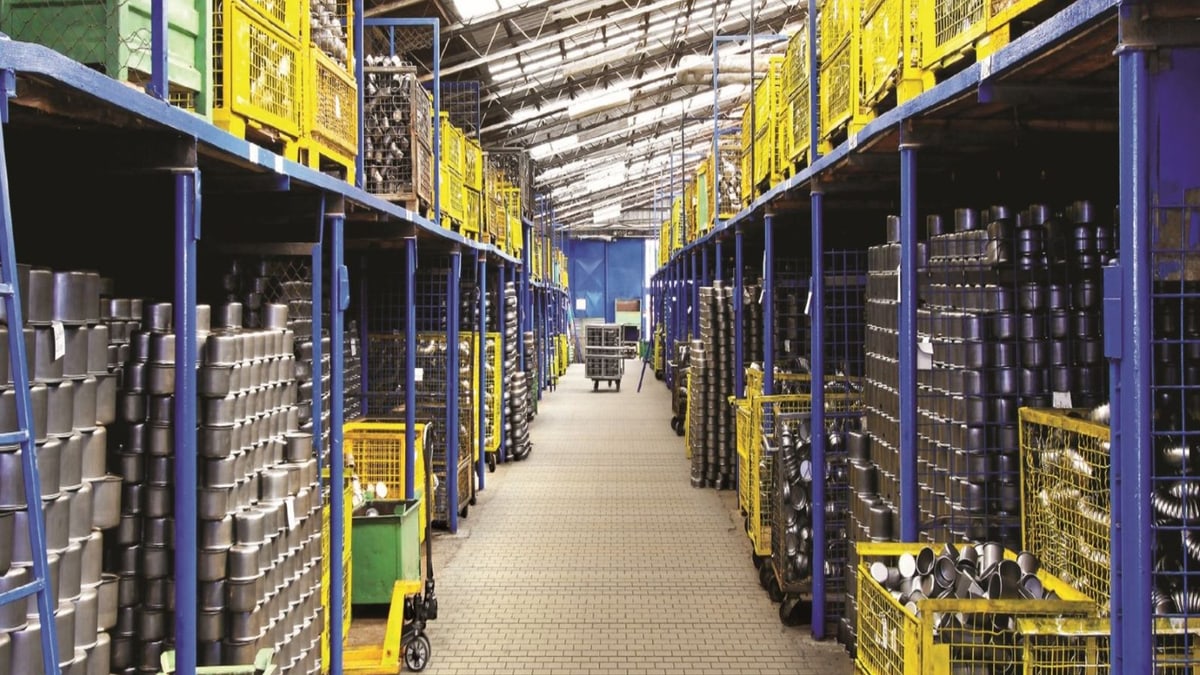
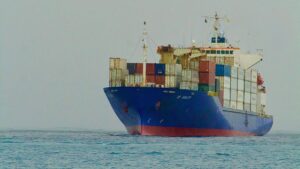
Photo: Pexels, Pexels License, by Pexels contributor
Map the actual material flow before accepting a quotation:
- Collection and consolidation at Chinese suppliers.
- Chinese export clearance and cross-border road or sea freight.
- Vietnamese import clearance, handling, and possible storage.
- Delivery to the Vietnamese factory.
- Finished-goods collection, export clearance, and international shipping.
Ask which inputs are genuinely available locally and which suppliers already meet your specifications. A locally purchased component may itself be imported, leaving upstream exposure unchanged.
Compare quotations on the same Incoterm, named place, and scope. Avoid counting input freight twice if it is already included in the factory price.
Assess the route, not just the country
For northern factories, examine connections through Hai Phong and the relevant China–Vietnam border crossings. For southern factories, assess access to the Ho Chi Minh City area and Cai Mep port options.
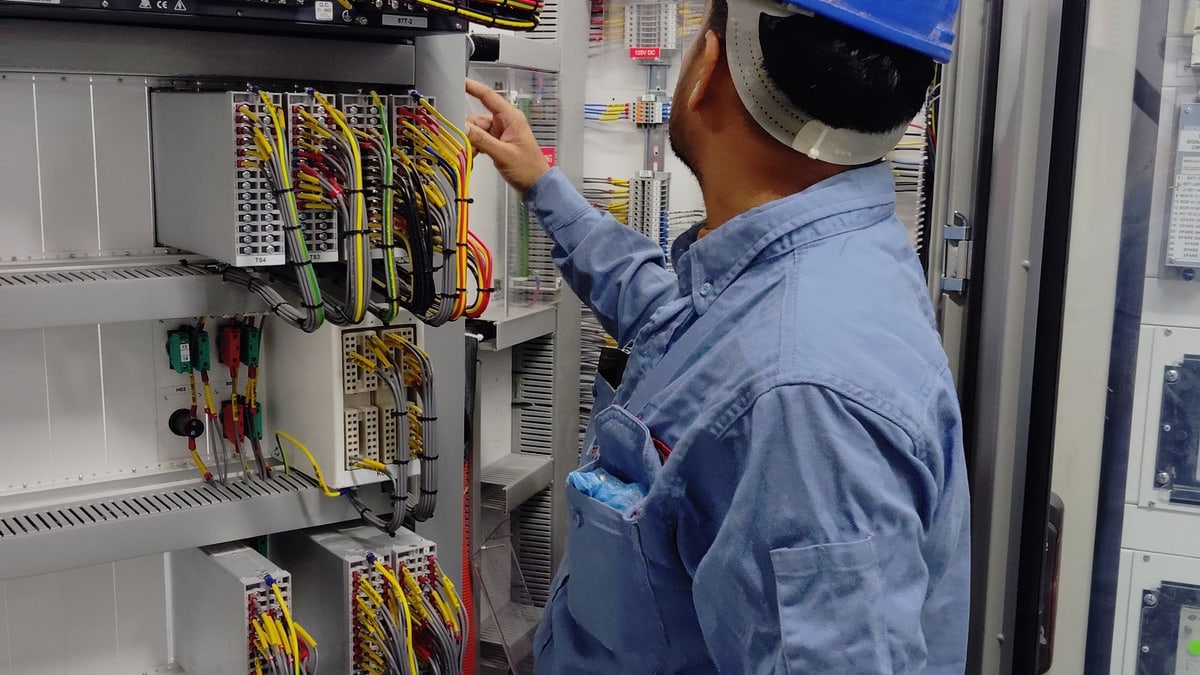
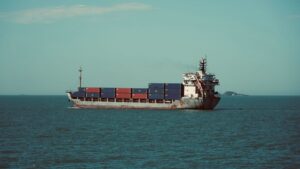
Photo: Pexels, Pexels License, by Pexels contributor
Request a route-specific assessment of trucking availability, road congestion, sailing frequency, transshipment, and terminal arrangements. Conditions differ by factory, port, carrier, and season; blanket claims that every Vietnamese route is slower are unhelpful.
Cross-border materials also require clearance on both sides. Documentation errors or inspections can delay production before the finished-goods booking even begins.
Build the schedule backward from the required warehouse arrival. Include material availability, production, quality release, customs, port cutoffs, and destination delivery. Amazon sellers should also allow for fulfillment-center receiving variability.
Vietnamese assembly does not automatically establish origin
A Vietnamese export address or certificate alone does not settle every importing country’s origin requirements.
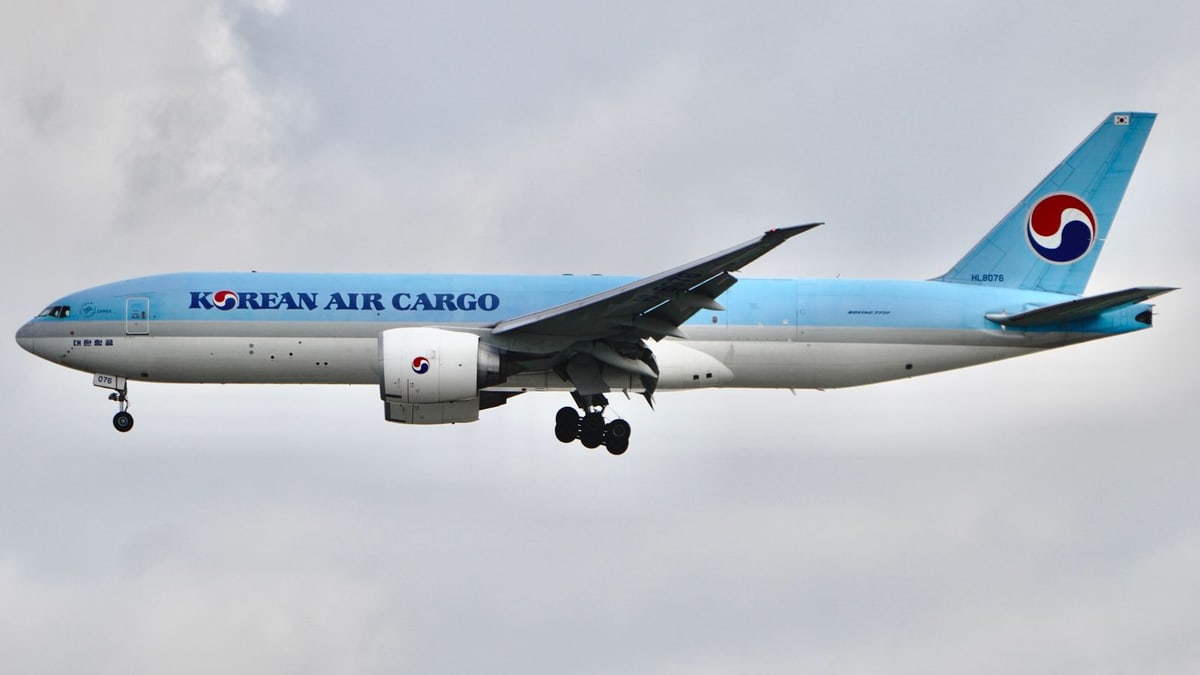
Photo: Pexels, Pexels License, by Pexels contributor
For preferential tariffs, check the specific trade agreement and product rule. Requirements may concern tariff classification changes, qualifying materials, regional value content, or specified processing. The EU–Vietnam agreement contains its own origin protocol. Agreement texts and origin rules
For many U.S. nonpreferential determinations, substantial transformation is central, although special rules apply to some products. One CBP motor-assembly ruling reached different origin conclusions for different manufacturing scenarios, illustrating why the actual operations matter. CBP origin ruling
Do not assume that Chinese inputs automatically prevent Vietnamese origin, either. Obtain the bill of materials, supplier records, and manufacturing process description. Have a qualified customs adviser assess the applicable rules and any separate trade-remedy exposure before budgeting tariff savings.
Calculate total landed cost per saleable unit
Use identical specifications, order quantities, delivery points, and quality standards for both sourcing options.
| Cost category | What to include |
|---|---|
| Production | Materials, conversion, tooling allocation, packaging |
| Input logistics | China pickup, export formalities, freight to Vietnam |
| Vietnam operations | Import handling, applicable input duties, trucking, storage |
| Finished-goods shipping | Export charges, ocean or air freight, insurance |
| Destination costs | Applicable duties, brokerage, handling, final delivery |
| Inventory and disruption | Financing, buffers, inspections, defects, rework, expedited freight |
Account separately for recoverable taxes and their cash-flow impact. Confirm whether any processing or duty-relief arrangement actually applies.
Net benefit = production savings + verified duty savings − additional logistics, inventory, quality, and transition costs.
Run a normal scenario and a disruption scenario. Include tooling duplication and supplier qualification, then spread those costs over a realistic sales volume. Switching becomes difficult to justify when the apparent saving disappears after one delayed material shipment or rejected batch.
Match products to supplier capabilities
Vietnam deserves consideration for stable designs, repeat orders, substantial volumes, and flexible replenishment windows—especially where verified tariff treatment improves the economics.
China can remain attractive when an established supplier cluster supports complex components, frequent engineering changes, small trial orders, and rapid replenishment.
These are screening criteria, not national guarantees. Vietnam has sophisticated manufacturers, and Chinese suppliers also impose minimum order quantities. Compare actual factories on MOQ, sample turnaround, change requests, inspection results, and capacity commitments.
For industrial buyers, qualification requirements may outweigh modest unit savings. For seasonal sellers, missing the selling window may outweigh both labor and duty advantages.
Conclusion: pilot a China-plus-Vietnam supply chain
A selective second supply chain can be more practical than a complete relocation. Consider Vietnamese production for predictable base products while retaining proven Chinese capacity for complex or urgent orders.
Pilot one product family through the complete shipping cycle. Measure actual saleable-unit cost, defects, inventory days, and delivery performance before expanding.
Give your freight forwarder the component origins, factory addresses, cargo details, volumes, and destination requirements. Ask for coordinated plans covering both inbound materials and outbound finished goods, with clear cost inclusions and delay contingencies. King-Hor’s practical takeaway: make the decision from the complete route and verified economics.
FAQ
Is manufacturing in Vietnam always cheaper than China?
No. Lower wages can be offset by imported inputs, extra freight, inventory, defects, and transition costs. Compare landed cost per saleable unit.
Do goods shipped from Vietnam automatically receive lower tariffs?
No. Treatment depends on classification, destination, applicable measures, and origin. Shipping location alone does not establish eligibility.
Can Chinese components be used in Vietnamese-origin products?
Potentially. The result depends on the applicable origin rules and manufacturing operations. Keep detailed sourcing and production records.
Which products are better candidates for Vietnam?
Standardized garments, footwear, and basic furniture can be candidates when volumes, supplier capability, origin requirements, and replenishment schedules align.
Should businesses move all production at once?
A phased pilot provides better evidence. Retain existing capacity until quality, total cost, and delivery performance support expansion.
How can a freight forwarder help before switching?
A forwarder can map both freight legs, compare routes, identify customs handoffs, and estimate logistics costs. Specialist customs advice should resolve origin questions.