Skip to content

Paying U.S. import duties does not automatically entitle you to a refund. For importers, Amazon sellers, and procurement teams, duty drawback can recover eligible duties when goods are subsequently exported or destroyed under qualifying conditions.
The practical questions are: What happened to the goods? Who holds the claim rights? Which duties were paid? Answer these before budgeting a refund or hiring a filing service.
What Is Duty Drawback?
Duty drawback is a U.S. customs mechanism for refunding certain duties, taxes, and fees collected on imported merchandise when qualifying goods are exported or destroyed. Manufacturing and substitution provisions can also cover products made from imported materials or qualifying replacement merchandise. See CBP’s drawback overview.
For common drawback claims, recovery can reach 99% of eligible charges, subject to calculation rules and limitations. That does not mean 99% of your entire landed cost: freight, storage, and brokerage invoices are not import duties. The framework is established in 19 U.S.C. § 1313.
Simply keeping slow-moving inventory in a U.S. warehouse creates no drawback entitlement.
Who Can Claim: The Importer or the Overseas Seller?
The importer of record, or IOR, is an essential starting point because its entry records establish the import transaction. However, drawback rights do not automatically belong exclusively to the IOR.
Photo: Pexels, Pexels License, by Pexels contributor
Photo: Pexels, Pexels License, by Pexels contributor

Photo: Pexels, Pexels License
For direct identification unused merchandise drawback, the exporter or destroyer generally holds the right and may assign it to the importer or an intermediate party through the required certification. Manufacturing claims also have claimant and assignment rules. See 19 CFR § 190.33 and § 190.28.
A Chinese supplier cannot establish entitlement merely by shipping the goods or reimbursing the buyer’s duties. Likewise, a DDP sales term alone does not establish claim rights.
Identify the IOR, the party exporting from the United States, and any required rights assignments. Your contract should address document access, filing costs, and how any recovery is shared. Being the IOR alone is insufficient.
Common Situations That May Qualify
Unused merchandise exported from the United States
Photo: Pexels, Pexels License, by Pexels contributor
Photo: Pexels, Pexels License, by Pexels contributor
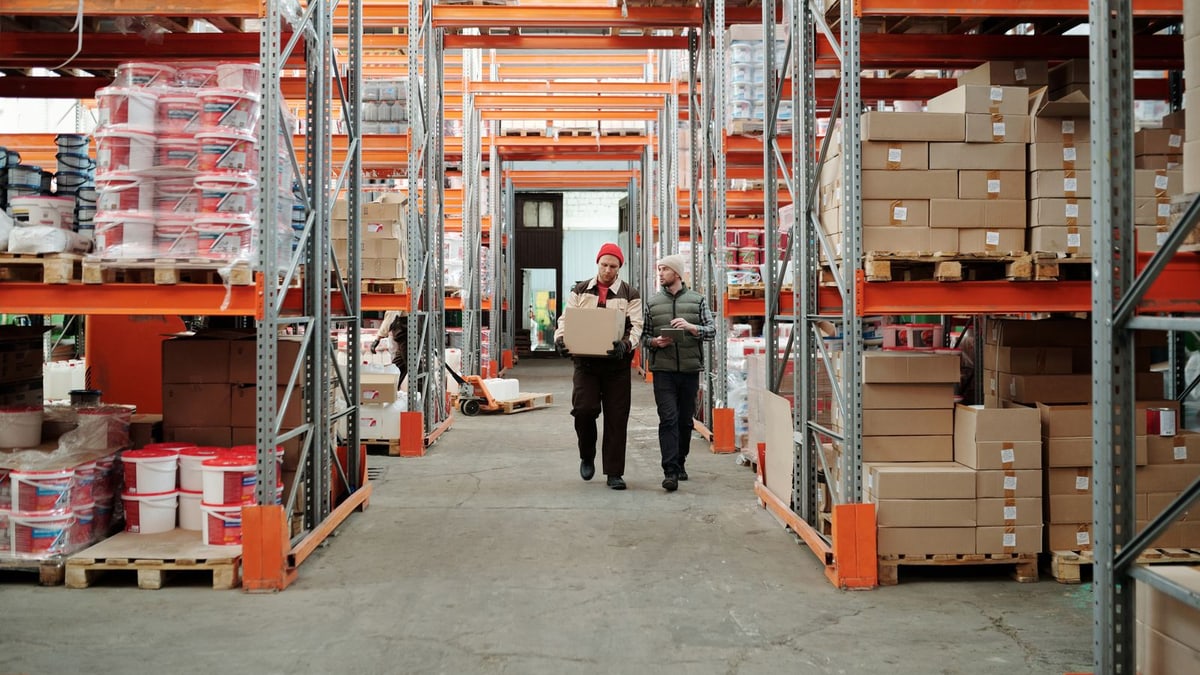
Photo: Pexels, Pexels License
An Amazon seller imports inventory, stores it without use, and later exports unsold units to another market. Those units may support unused merchandise drawback if identification, timing, and other requirements are met.
A warehouse transfer within the United States is not an export. A sale does not necessarily disqualify goods; whether they were used and subsequently exported matters.
Imported materials manufactured into exported products
An industrial buyer imports components, incorporates them into equipment in the United States, and exports the finished equipment. Manufacturing drawback may apply.
The claim requires production records connecting eligible inputs to exported output, plus an applicable manufacturing drawback ruling. Bills of materials, quantities, and manufacturing dates should be organized before filing. These requirements appear in 19 CFR Part 190.
Qualifying substitution
Substitution can allow qualifying merchandise B to support drawback against imported merchandise A, including certain manufacturing transactions. It is not permission to substitute any commercially similar product.
Modernized rules commonly use matching eight-digit HTSUS classifications, with exceptions and additional conditions. Substitution can apply to unused merchandise and manufacturing claims, so it is a method within those categories. Review the applicable provisions in 19 CFR Part 190.
Destruction under CBP procedures
Qualifying destruction may also support drawback. Arrange the required notice, examination opportunity, and documentation before disposal. An ordinary warehouse disposal receipt does not automatically establish compliant destruction.
Which Import Duties Can Be Refunded?
Review each charge on the customs entry separately:
Photo: Pexels, Pexels License, by Pexels contributor
Photo: Pexels, Pexels License, by Pexels contributor

Photo: Pexels, Pexels License
- Ordinary customs duties: Generally eligible when the drawback requirements are satisfied.
- Section 301 duties: Eligible for drawback, subject to the underlying claim requirements.
- Antidumping and countervailing duties: Not eligible for drawback.
- Section 232 duties: CBP identifies these as ineligible for drawback.
CBP confirms the trade-remedy distinctions in its drawback FAQs. Ordinary duty eligibility is addressed in 19 CFR § 190.3.
An entry containing both eligible and excluded duties needs a charge-by-charge calculation. Exporting the goods does not make every tariff refundable.
Documents, Deadlines, and Filing
For the common modernized claims discussed here, the filing deadline is generally five years from importation. Relevant export or destruction requirements must also be met within the applicable period; exporting goods does not restart the filing clock. See CBP’s ACE drawback guidance.
Build a shipment-level file containing:
- Import entry summaries and duty payment records.
- Commercial invoices and packing lists.
- SKU, lot, serial-number, or qualifying inventory records.
- Export transport documents and proof of exportation.
- Production records for manufacturing claims.
- Rights assignments and destruction documents, where applicable.
Reconcile quantities across these records. A shipping booking alone does not show that goods actually left the country.
Claims are transmitted electronically through the Automated Broker Interface into ACE, usually through a licensed customs broker or filing provider. They cannot simply be submitted through an ACE Portal account. Incomplete data can cause rejection, while unsupported eligibility can lead to denial. Accelerated payment requires prior approval and sufficient bond coverage; submission alone does not guarantee prompt payment. See CBP’s filing instructions.
Drawback Versus Court-Related Tariff Refunds
Regular drawback is a longstanding export-or-destruction program. Refunds arising from litigation over particular tariffs follow separate eligibility and administrative rules.
For example, CBP launched its CAPE process in April 2026 for IEEPA duty refunds. That process does not convert all import duties into refundable charges or replace drawback requirements. See CBP’s CAPE announcement.
Before You Spend Money on a Claim
Start with three checks: qualifying export or destruction, a legally entitled claimant, and eligible duties. These are screening conditions, not approval guarantees.
Then verify deadlines and evidence. Compare expected recovery with filing, record preparation, and transport costs. For shipments planned with King-Hor, raise potential re-export movements early so freight documentation can be considered alongside the broker’s drawback requirements.
FAQ
Can I get a refund just because I paid import duties?
No. Regular drawback requires a qualifying transaction, an entitled claimant, eligible charges, and supporting records.
Can a Chinese seller claim U.S. duty drawback?
Potentially, depending on its legal role and claim rights. Paying the commercial cost of duties does not establish eligibility.
Does unsold Amazon inventory qualify automatically?
No. Storage alone is insufficient. Qualifying unused inventory must be exported or destroyed under the applicable procedures.
Can used goods qualify for unused merchandise drawback?
Generally, no. Some handling operations are permitted, but actual use can disqualify this category. Other provisions require separate assessment.
Is the refund always 99%?
No. That is a common maximum for eligible charges. Calculation rules, excluded duties, and other limitations can reduce recovery.
Can I claim after ordinary warehouse disposal?
Do not assume so. Required CBP procedures and evidence must be addressed; arrange a drawback review before destruction.