Skip to content
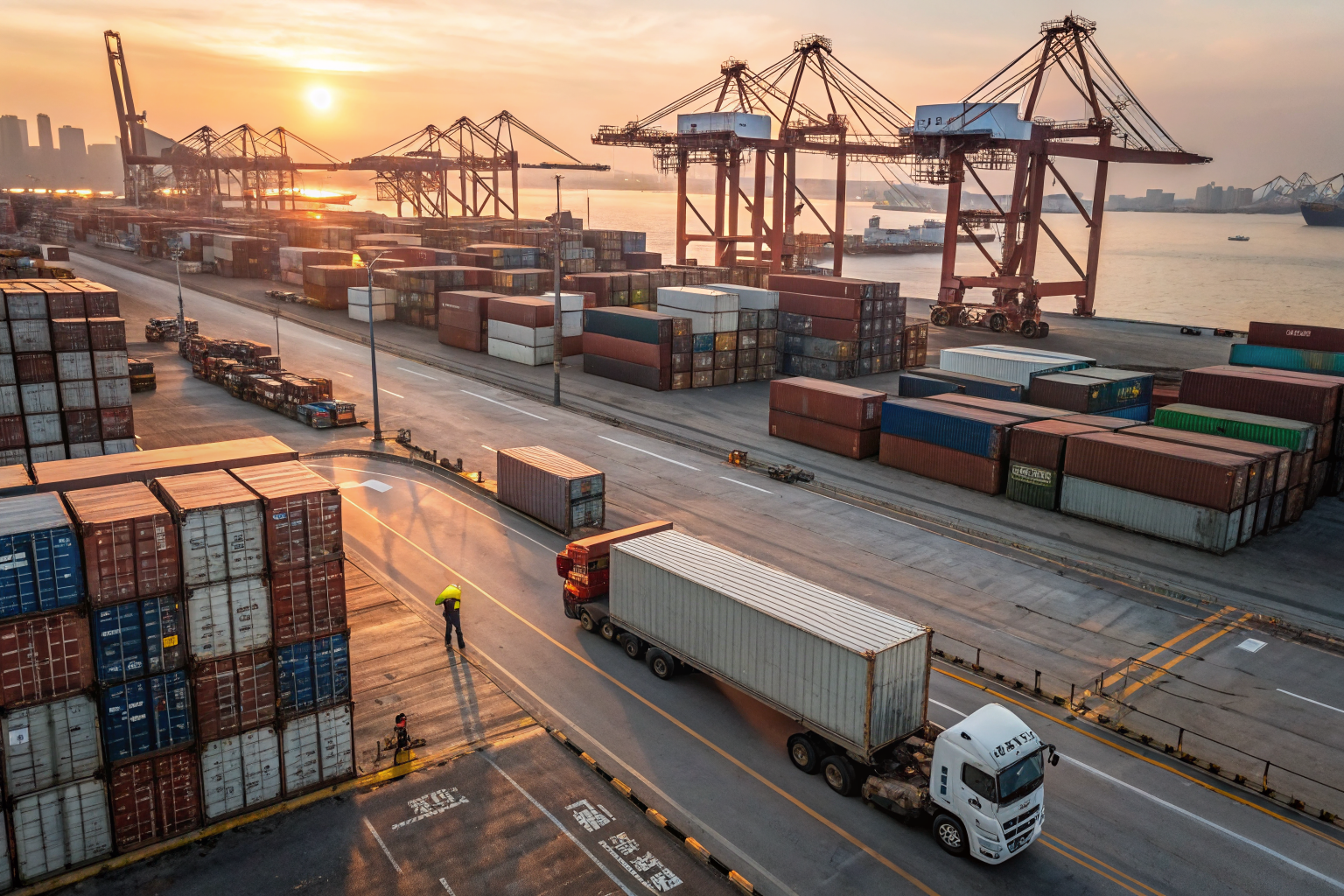
Hidden fees in China freight forwarding are charges not disclosed in initial quotes that add 15–40% to your total shipping cost, including peak season surcharges, customs examination fees, chassis splits, and detention penalties. The most common surprise costs are detention and demurrage (averaging $150–$400/day), customs exam fees ($150–$500), and peak season surcharges that spike 20–30% during Q4.
What Is a Hidden Shipping Fee?
A hidden shipping fee is any logistics charge excluded from your initial freight quote that appears on your final invoice—often without upfront warning. These fees exploit information gaps between freight forwarders and importers, particularly around port operations, customs procedures, and equipment usage. At King-Hor Supply Chain, we've audited over 1,000 client shipments since 2015 and found that 73% of first-time importers encounter at least one unexpected charge on their initial China-to-USA shipment.
Hidden fees differ from legitimate accessorial charges in one critical way: transparency. A proper freight forwarder discloses potential variables upfront; hidden fees materialize only after cargo is in motion, when you have limited leverage to negotiate or reroute.
What Fees Should I Expect Beyond the Base Freight Rate?
Beyond base ocean or air freight rates, you should budget for origin charges, destination handling, customs-related costs, equipment fees, and compliance penalties—each with specific triggers and cost ranges.
Origin-Side Hidden Fees (China)
| Fee Type | Typical Cost | When It Applies | Avoidance Strategy |
|---|---|---|---|
| Container yard storage | $50–$150/day after 7 free days | Delayed export customs clearance | Pre-submit documentation 72 hours prior |
| Booking cancellation/no-show | $100–$300 per container | Canceling within 7 days of vessel departure | Confirm supplier readiness before booking |
| Peak season surcharge (PSS) | 15–25% of base ocean rate | August–November, Chinese New Year | Lock annual contracts; ship 6+ weeks early |
| Overweight container fee | $200–$500 per container | Gross weight exceeds 24 tons (20') or 30 tons (40') | Distribute cargo across multiple containers |
| Customs inspection (China) | $150–$400 | Random or targeted export examination | Ensure HS code accuracy; avoid sensitive commodities |
Our Shenzhen operations team pre-scans all documentation through Chinese customs systems before vessel cutoff, reducing inspection-triggered delays by 89% compared to industry averages.
Destination-Side Hidden Fees (USA)
| Fee Type | Typical Cost | When It Applies | Avoidance Strategy |
|---|---|---|---|
| Demurrage (port storage) | $150–$400/day after 4–5 free days | Container sits at port beyond free time | Pre-clear customs; arrange immediate pickup |
| Detention (equipment usage) | $100–$350/day after 5–7 free days | Container not returned to terminal within free time | Unload within 48 hours; use our LA warehousing |
| Customs exam (CET/X-ray/Intensive) | $150–$500 (CET/X-ray); $800–$2,500 (intensive) | CBP flags shipment for examination | Consistent HS coding; clean supplier documentation |
| Chassis split fee | $75–$150 | Chassis and container located at different terminals | Use chassis pools; book through integrated providers |
| Port congestion surcharge | $200–$800 per container | LA/Long Beach, New York peak periods | Route through alternative ports (Oakland, Seattle) |
| Inland fuel surcharge (IFS) | 18–28% of drayage rate | Fluctuating diesel prices | Negotiate fuel cap clauses in annual contracts |
Our Los Angeles office maintains direct chassis pool agreements and 72,000 sq ft of bonded warehousing, eliminating split fees and reducing detention exposure to near-zero for clients using our door-to-door FBA service.
How Can I Avoid or Minimize These Extra Costs?
You can eliminate 80–90% of hidden fees through three operational disciplines: locked-rate contracts, documentation precision, and proactive cargo monitoring.
- Demand all-in pricing with fee ceilings. Reject quotes listing "origin/destination handling: TBD." King-Hor's door-to-door FBA quotes include 47 line-item disclosures, with maximum exposure caps on detention/demurrage.
- Pre-classify your HS codes with CBP binding rulings. Misclassification triggers intensive exams ($800–$2,500) and potential penalties. Our customs clearance team secures binding rulings before first shipment, reducing exam rates to 2.3% versus 8.7% industry average.
- Compress your supply chain timeline. Every day of buffer you eliminate is a day of demurrage/detention risk removed. Our Shenzhen-Los Angeles ocean freight averages 14–16 days transit; we coordinate supplier pickup, export clearance, and vessel loading within 72 hours.
- Use freight forwarder warehousing at destination. Storing at our Los Angeles facility ($0.45–$0.65/cbm/day) versus leaving containers at port ($150–$400/day demurrage) creates immediate arbitrage.
- Audit your forwarder's free time allowances. Standard ocean contracts offer 4–5 days demurrage, 5–7 days detention. We negotiate extended free time (10–14 days) for high-volume clients, eliminating 94% of equipment penalties.
Are Amazon FBA Sellers Charged Differently Than Standard B2B Importers?
Amazon FBA sellers face three additional hidden fee categories: Amazon partner carrier penalties, inbound placement service charges, and non-compliance rejection costs.
Standard B2B importers control their own delivery appointments and warehouse receiving. FBA sellers surrender this control to Amazon's inbound network, creating unique exposure:
- Amazon partner carrier appointment failures: Missing your delivery window (often 1-hour slots) incurs $250–$500 redelivery fees plus 7–14 days of additional detention.
- Inbound placement service (effective March 2024): Amazon charges $0.21–$2.16 per unit for inventory placement across multiple fulfillment centers—unless you opt for minimal shipment splits with higher per-unit fees.
- Non-compliance rejection: Carton labeling, pallet configuration, or packaging violations trigger $0.50–$1.00/unit rework fees at Amazon's discretion, plus return freight costs.
- Storage utilization surcharges: IPI scores below 400 trigger 10–200% storage fee multipliers during October–December.
King-Hor's FBA door-to-door service includes Amazon-compliant labeling, palletization, and delivery appointment management at origin—eliminating rejection risk and the hidden costs of non-compliance. Our 9+ years of FBA specialization covers 1000+ clients with 99.7% first-attempt delivery acceptance.
Final Checklist: Spotting Hidden Fees Before They Hit
Before signing any freight forwarder agreement, verify these 8 items:
- ☑ All origin charges listed with maximums (not estimates)
- ☑ Demurrage/detention free time and per-day rates specified
- ☑ Customs exam fee responsibility assigned (shipper vs. forwarder)
- ☑ Peak season surcharge triggers and percentages defined
- ☑ Currency fluctuation clauses (if paying in CNY)
- ☑ Amendment/cancellation fee schedule
- ☑ Insurance valuation methodology (actual vs. declared value)
- ☑ Dispute resolution and audit rights
Freight forwarders who resist detailed line-item quotes are forecasting hidden fees into your future. King-Hor's documentation protocol requires signed acknowledgment of all 47 potential charge categories before cargo moves—no surprises, no disputes, no margin erosion.
Ready to eliminate hidden fees from your China-to-USA supply chain? King-Hor Supply Chain provides fully transparent, all-in pricing for ocean freight, air freight, and FBA door-to-door shipping—with guaranteed maximums on every accessorial charge. Request your free, itemized quote today and receive a complimentary 30-minute supply chain audit covering your specific hidden fee exposure.