Skip to content

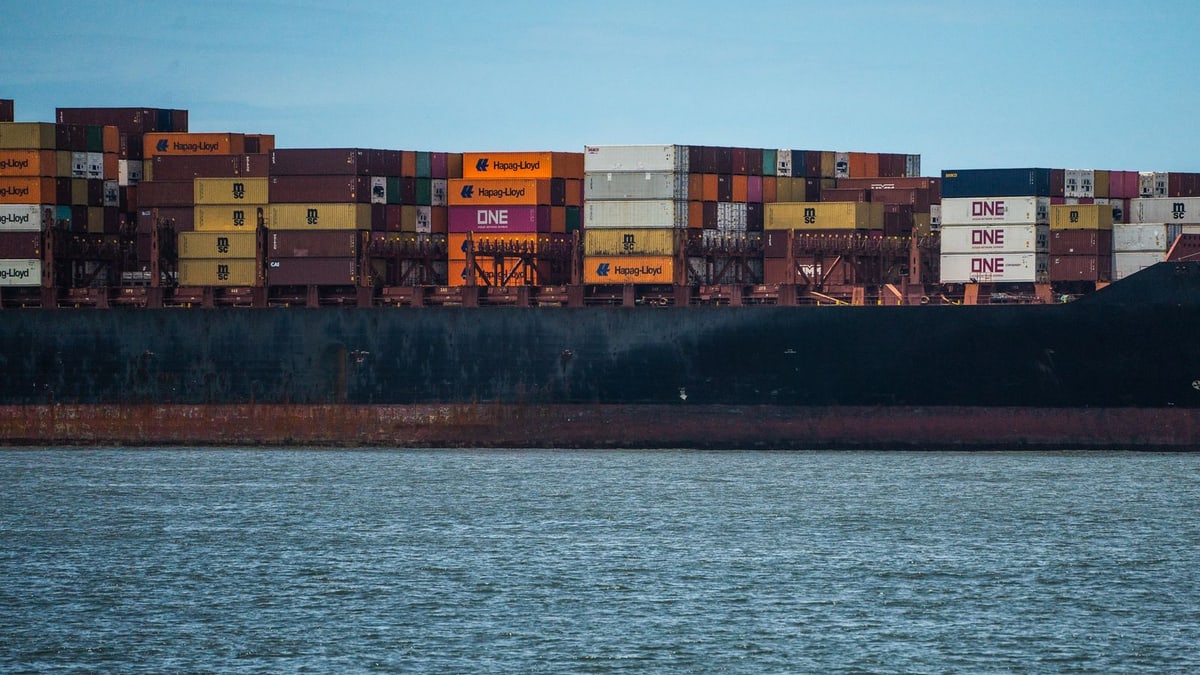
Supply chain diversification means reducing dependence on a single sourcing location while keeping the capabilities your business needs. For overseas importers, Amazon sellers, and industrial buyers, a China + 1 or China + multiple strategy can preserve established Chinese production while developing alternatives.
The challenge extends beyond finding another factory. Additional origins introduce material movements, customs requirements, inventory commitments, and shipping schedules. This guide explains how to evaluate those tradeoffs and build backup capacity without losing control of cost, quality, or delivery.
What Supply Chain Diversification Beyond China Means
Diversification spreads exposure to disruptions such as factory shutdowns, tariff changes, and port congestion. It does not require replacing every Chinese supplier.
Under China + 1, a buyer retains production in China and qualifies another manufacturing location. China + multiple adds further options where order volumes and management resources justify them.
The important distinction is between having another supplier and having an independent supply route. Two factories in different countries may still depend on the same Chinese component producer.
Which Products Should Move First?
Start with product characteristics and demand patterns before choosing a country.
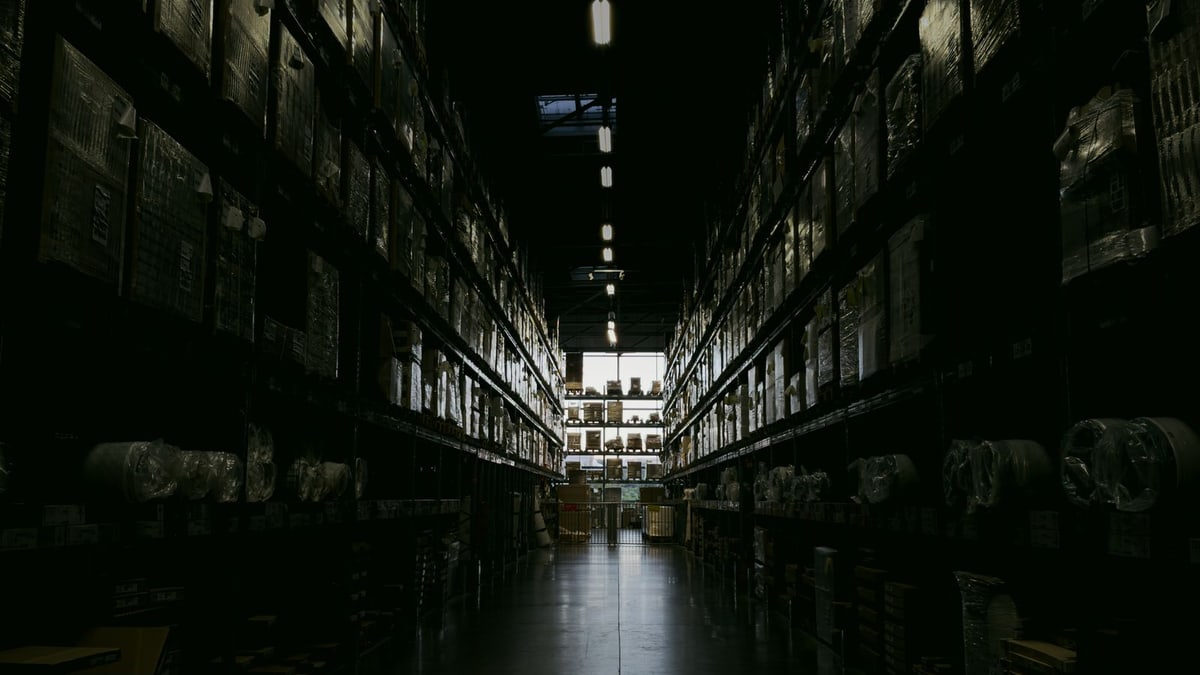
Photo: Pexels, Pexels License, by Pexels contributor
Stronger candidates include:
- Standardized products with stable specifications and repeat orders.
- Labor-intensive items, such as basic garments or simple furniture.
- Products facing significant China-specific duties, subject to origin verification.
- Orders that allow time for sampling, tooling, and production ramp-up.
Complex assemblies, frequent design changes, small batches, and urgent replenishment generally require more cautious evaluation. A basic appliance may look easy to relocate but still depend on specialized components and testing equipment.
Assess suppliers individually. Country-level labor costs cannot establish whether a factory can meet your quality requirements.
Trace Upstream Dependencies Before Comparing Quotes
An alternative assembly location may still source fabric, hardware, electronics, packaging, or molds from China. The extent varies by factory and product; verify it through the bill of materials.

Photo: Pexels, Pexels License, by Pexels contributor
For example, assembling goods in Vietnam with Chinese components introduces an inbound China–Vietnam movement before finished goods can ship overseas. That can add export and import procedures, border handling, storage, and another opportunity for delay.
Ask each proposed supplier:
- Which critical inputs are imported, and from where?
- Who purchases them and arranges transportation?
- What happens if the main component shipment is delayed?
- Are alternative materials already approved?
A factory can be geographically separate while remaining exposed to the original bottleneck.
Confirm Origin Rules Before Assuming Tariff Savings
Shipping goods from another country does not automatically make that country their customs origin. Simple assembly may be insufficient: U.S. Customs and Border Protection explains this distinction in its origin ruling H314566.

Photo: Pexels, Pexels License, by Pexels contributor
Also distinguish non-preferential origin from eligibility for a trade agreement’s preferential tariff. The applicable tests depend on the destination, product, and customs purpose. A certificate alone does not establish that the underlying manufacturing meets those rules. See CBP’s rules-of-origin guidance.
Before placing production orders, have a customs broker or qualified adviser review the classification, bill of materials, and proposed manufacturing steps. Keep supplier declarations, production records, invoices, and material movement documents available.
Chinese inputs do not automatically disqualify a product from acquiring another origin. Equally, overseas assembly does not guarantee a change. Validate the actual process before including tariff savings in your business case.
Compare Total Landed Cost
Use the same Incoterms, shipment assumptions, and delivery point when comparing suppliers. Otherwise, one quote may include services that another excludes.
Build a cost sheet covering:
- Factory price, tooling, and supplier qualification.
- Component freight and customs charges between production countries.
- Local trucking, handling, and storage.
- Finished-goods freight, insurance, destination charges, and duties.
- Inspection, rework, defects, and potential expedited shipments.
- Inventory financing and additional management effort.
Separate one-time setup costs from recurring costs. Then test scenarios such as a missed sailing, delayed component shipment, or rejected batch. Lower labor costs can be offset by extra logistics and inventory expenses.
Plan Freight and Inventory Together
Multiple origins create parallel booking calendars, customs processes, and delivery schedules. Map each route from material supplier to final warehouse, including cutoffs, consolidation points, and backup gateways.
Evaluate candidate locations for port access, inland transport capacity, holiday closures, labor disruption exposure, and regulatory changes. Vietnam, India, and Mexico each require their own operating assessment.
Set inventory buffers according to each route’s variability. Additional sources may increase pipeline inventory and working capital, especially during qualification. An overseas warehouse can help coordinate arrivals, but its handling and storage costs belong in the comparison.
For Amazon sellers, work backward from replenishment needs and receiving requirements. Industrial buyers should also map critical components whose absence could stop an entire production line.
Shift Orders in Stages
A practical rollout uses measurable checkpoints:
- Establish the baseline. Record current landed cost, defect rates, lead-time variation, and source concentration.
- Pilot suitable products. Start with stable specifications and manageable volumes while retaining existing capacity.
- Test the complete route. Measure material availability, production, clearance, transportation, and warehouse receipt.
- Increase allocation gradually. Expand only after repeat orders demonstrate acceptable performance.
A business might use a 60–70% ceiling for any single origin as an internal planning target. This is illustrative, not a universal requirement. Allocation should reflect qualified capacity and recovery needs.
Keep backup suppliers operational through appropriate recurring orders. An unused supplier relationship may offer little protection during a disruption.
Build a Diversification Plan That Can Ship
Before committing capacity, bring procurement, operations, finance, and freight planning together. A freight forwarder’s contribution can include route comparisons, cross-border cost estimates, booking coordination, and identifying origin questions for specialist review.
For a planning discussion with King-Hor, prepare your product details, current origins, destination markets, order volumes, and required delivery windows. These inputs support a useful comparison of sourcing options and transport requirements.
The objective is a qualified alternative that remains workable when your primary source is disrupted.
FAQ
Does diversification mean leaving China completely?
No. China + 1 retains Chinese production while developing another source. The allocation depends on product complexity, demand, cost, and risk exposure.
Is manufacturing elsewhere always cheaper?
No. Compare total landed cost, including imported materials, extra clearance steps, quality losses, freight, and inventory financing.
Does a certificate of origin guarantee preferential duty?
No. The goods must satisfy the applicable rules, and supporting production records must substantiate the claim.
Which country is the best alternative?
There is no universal choice. Compare qualified suppliers, upstream dependencies, destination access, infrastructure, and product-specific origin requirements.
Can a new factory immediately match existing performance?
Do not assume so. Validate samples, repeat production quality, material availability, and complete shipping cycles before increasing orders.
When should a freight forwarder get involved?
During supplier evaluation, before production is transferred. Early route and cost analysis can reveal constraints that factory quotations leave out.